


Introduction to Drip Farming and Water Conservation
Water scarcity is becoming a serious challenge for modern agriculture, especially in dry and semi-arid regions. Drip farming is one of the most efficient irrigation systems that delivers water directly to the plant root zone in controlled amounts.
This method reduces water wastage, improves crop yield, and supports sustainable farming practices.
Why Water Saving is Important in Agriculture
Agriculture consumes a large portion of freshwater resources worldwide. Inefficient irrigation methods often lead to water loss through evaporation, runoff, and deep percolation.
Saving water is essential not only for reducing costs but also for ensuring long-term agricultural sustainability and food security.
What is Drip Irrigation System
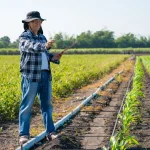
Drip irrigation is a system where water is supplied slowly and directly to the plant roots through a network of pipes, valves, and emitters.
It allows precise water delivery, ensuring that each plant receives the required amount without wastage.
This system is highly effective for vegetables, fruits, orchards, and row crops.
Efficient Water Saving Techniques in Drip Farming
1. Use of Mulching with Drip Irrigation
Mulching involves covering the soil surface with organic or plastic materials to reduce evaporation.
When combined with drip irrigation, it significantly improves water retention and reduces irrigation frequency.
It also helps control weeds and maintain soil temperature.
2. Proper Irrigation Scheduling
Water should be supplied based on crop type, soil condition, and weather requirements.
Over-irrigation wastes water and can damage roots, while under-irrigation affects plant growth.
Using a fixed schedule or smart irrigation timers improves efficiency.
3. Soil Moisture Monitoring
Monitoring soil moisture helps determine the exact water needs of crops.
Simple moisture meters or manual soil checks can prevent unnecessary watering.
This ensures that water is only applied when required.
4. Use of Pressure Regulators
Pressure regulators maintain consistent water flow throughout the drip system.
Without proper pressure control, some plants may receive excess water while others receive less.
Balanced pressure improves uniform irrigation and reduces wastage.
5. High-Quality Drip Emitters
Using efficient and high-quality emitters ensures accurate water delivery to plant roots.
Clogged or low-quality emitters can lead to uneven watering and water loss.
Regular cleaning and maintenance are essential for proper performance.
6. Zoning of Irrigation Areas
Dividing the farm into irrigation zones helps manage water more efficiently.
Different crops and soil types require different water levels, so zoning allows better control.
This prevents overwatering and improves resource management.
7. Use of Fertigation System
Fertigation combines irrigation with fertilizer application through drip systems.
This reduces water usage because nutrients are delivered directly with irrigation water.
It also improves nutrient absorption efficiency and reduces fertilizer wastage.
8. Preventing Leakage in Pipelines
Leakages in drip irrigation systems can lead to significant water loss.
Regular inspection and maintenance of pipes, joints, and connectors are necessary.
Fixing leaks immediately ensures efficient water use.
9. Use of Smart Irrigation Controllers
Modern smart controllers adjust irrigation based on weather conditions and soil moisture levels.
These systems reduce human error and optimize water usage automatically.
They are especially useful for large-scale drip farming operations.
10. Proper Crop Spacing
Correct spacing between plants ensures that water is distributed evenly across the field.
Overcrowded plants compete for water and nutrients, reducing efficiency.
Proper spacing improves root development and water absorption.
Benefits of Water Saving in Drip Farming
Water-saving techniques in drip farming provide multiple benefits including reduced water consumption, lower irrigation costs, and improved crop yield.
They also help in maintaining soil structure and preventing waterlogging or salinity problems.
Efficient water use supports sustainable and profitable farming systems.
Impact on Crop Yield
Drip irrigation combined with water-saving methods ensures that crops receive consistent moisture.
This leads to healthier plants, better root development, and higher productivity.
Crops such as vegetables, fruits, and cash crops show significant yield improvement under drip systems.
Environmental Benefits
Water-efficient farming reduces pressure on groundwater resources and helps conserve freshwater supplies.
It also minimizes soil erosion and nutrient leaching caused by over-irrigation.
This makes agriculture more eco-friendly and climate-resilient.
Common Mistakes to Avoid
Farmers often make mistakes such as irregular maintenance, improper scheduling, and ignoring system leaks.
Using poor-quality equipment or over-irrigating can reduce the benefits of drip farming.
Proper training and regular monitoring are essential for success.
Conclusion
Water saving techniques in drip farming are essential for modern agriculture, especially in water-scarce regions. By using mulching, proper scheduling, fertigation, and smart irrigation systems, farmers can significantly reduce water usage while increasing crop productivity.
Efficient water management not only improves farm profitability but also supports long-term sustainability of agricultural resources.