


Introduction to Rice Farming in Pakistan
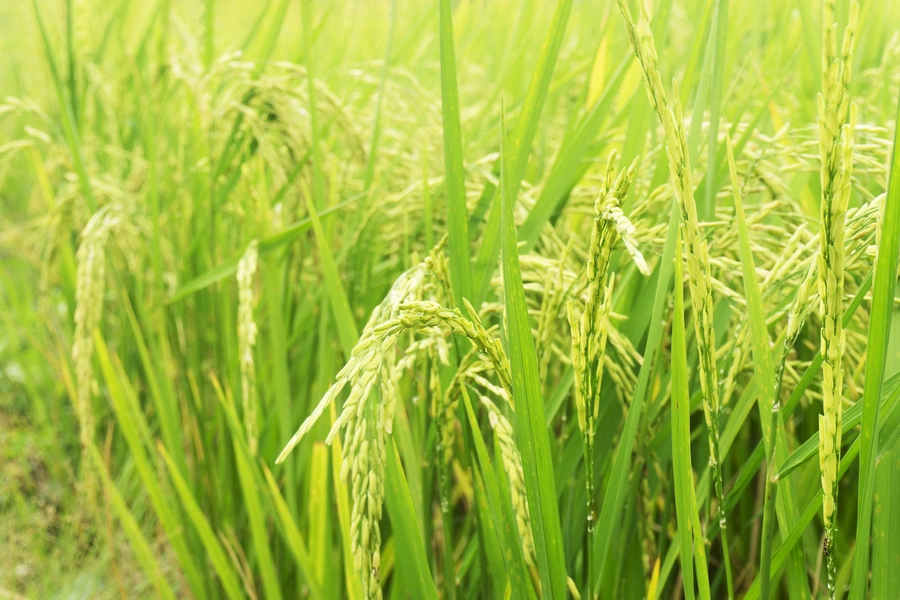
Rice is one of the most important cash crops in Pakistan and a major source of income for farmers, especially in Punjab and Sindh. The country is among the top rice exporters in the world, known for varieties like Basmati and IRRI rice. However, achieving maximum profit from rice cultivation is not just about growing the crop; it requires smart planning, proper field management, and modern farming practices. With rising input costs and climate challenges, efficient rice farming has become more important than ever.
Choosing the Right Rice Variety
The first step toward profitable rice farming is selecting the right variety according to your region and water availability. In Pakistan, long-grain aromatic varieties like Basmati are preferred for premium markets, while hybrid and IRRI varieties are suitable for higher yields and export-focused production.
Farmers in Punjab often prefer Basmati 385, Super Basmati, and Kainat varieties, while Sindh farmers may focus more on hybrid and short-duration varieties due to water and climate conditions. Choosing certified seed is essential to ensure disease resistance, uniform growth, and better yield.
Soil Preparation for Rice Cultivation
Rice grows best in clayey or loamy soil that can retain water effectively. Proper land preparation is crucial for achieving maximum yield. The field should be plowed 2–3 times to break hard soil layers and remove weeds.
Puddling is an important step in rice farming. It involves mixing soil with water to create a soft, muddy layer that reduces water loss and helps seedlings establish quickly. Leveling the field properly ensures uniform water distribution, which directly impacts crop performance.
Nursery Preparation and Transplanting
Healthy seedlings are the foundation of a productive rice crop. Farmers usually prepare a nursery first and then transplant seedlings into the main field after 25–35 days.
Seeds should be soaked in water for 24 hours and then treated with fungicides before sowing to prevent diseases. The nursery should be kept moist but not flooded. Proper care during this stage ensures strong and healthy seedlings for transplanting.
Transplanting should be done in rows with proper spacing, typically 20×20 cm or 25×25 cm, depending on the variety. This allows better airflow, sunlight exposure, and nutrient absorption.
Water Management in Rice Fields
Rice is a water-intensive crop, but excessive or improper irrigation can reduce profitability. Continuous flooding is not always necessary; instead, controlled irrigation methods should be used.
At the early stage, fields should be kept moist. During tillering and flowering stages, water depth should be carefully maintained. In modern farming, Alternate Wetting and Drying (AWD) technique is becoming popular, which saves water without reducing yield.
Efficient water management not only reduces costs but also helps in preventing diseases and improving root development.
Fertilizer Management for High Yield
Balanced fertilizer application plays a key role in maximizing rice production. The main nutrients required are nitrogen, phosphorus, and potassium.
Nitrogen promotes plant growth, phosphorus helps in root development, and potassium improves resistance against diseases and environmental stress. Organic manure such as farmyard manure or compost should also be used to improve soil health.
Split application of fertilizers is recommended. Instead of applying all fertilizers at once, they should be divided into 2–3 doses during different growth stages for better absorption and efficiency.
Weed Control in Rice Farming
Weeds are a major problem in rice fields as they compete for nutrients, water, and sunlight. If not controlled early, they can significantly reduce yield.
Manual weeding is effective but labor-intensive. Chemical herbicides are commonly used in large-scale farming, but they should be applied carefully according to expert recommendations to avoid crop damage.
Maintaining proper water levels in the field also helps suppress weed growth naturally.
Pest and Disease Management
Rice crops in Pakistan are affected by pests like stem borers, leaf folders, and brown plant hoppers. Diseases such as blast, bacterial leaf blight, and sheath blight can also cause serious damage.
Regular field monitoring is essential for early detection. Using resistant varieties, maintaining field hygiene, and avoiding excessive nitrogen use can help reduce pest attacks.
Integrated Pest Management (IPM) is the most effective approach, combining biological control, cultural practices, and selective pesticide use.
Importance of Proper Spacing and Plant Density
Many farmers make the mistake of overcrowding plants, thinking it will increase yield. In reality, proper spacing is critical for healthy crop development.
When plants are too close, they compete for nutrients and sunlight, leading to weak growth and higher disease risk. Proper spacing improves air circulation and ensures each plant gets enough resources for optimal growth.
Climate Considerations for Rice Farming in Pakistan
Rice requires a warm and humid climate for optimal growth. In Pakistan, the monsoon season provides suitable conditions for rice cultivation.
However, climate change has made weather patterns unpredictable. Heatwaves, irregular rainfall, and water shortages can affect yield. Farmers should adapt by using climate-resilient varieties and efficient irrigation systems.
Harvesting at the Right Time
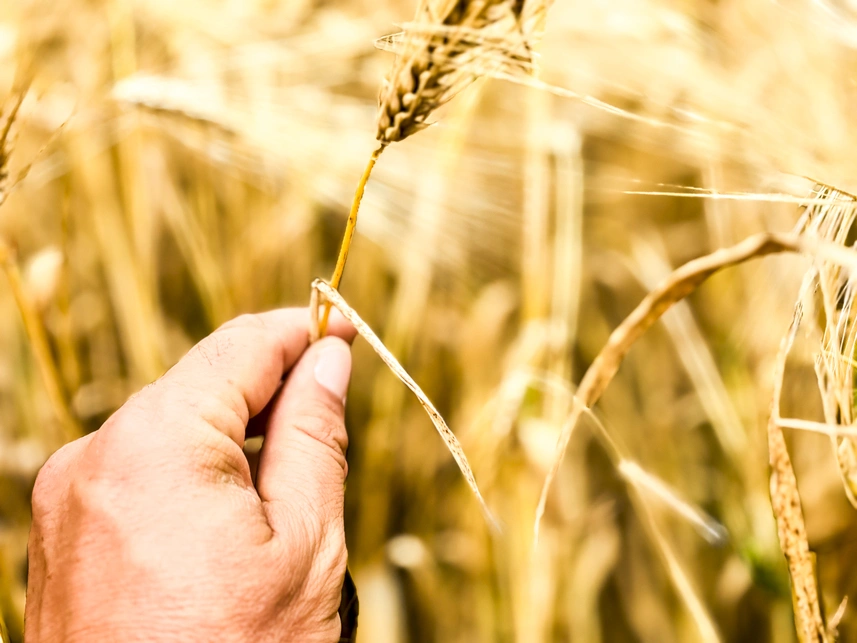
Timely harvesting is essential for maximizing profit and grain quality. Rice should be harvested when about 80–85% of the grains turn golden yellow.
Early harvesting can result in immature grains, while delayed harvesting may cause grain shattering and losses. Using modern harvesters can improve efficiency and reduce labor costs.
Post-Harvest Handling and Storage
After harvesting, proper drying and storage are essential to maintain quality. Grains should be dried to reduce moisture content before storage to prevent fungal growth.
Storage facilities should be dry, ventilated, and protected from pests. Using airtight containers or modern silos can significantly reduce post-harvest losses.
Modern Techniques for Maximum Profit
Modern rice farming techniques can significantly increase productivity and reduce costs. Precision farming, laser land leveling, and mechanized transplanting are becoming increasingly popular in Pakistan.
Drip irrigation is not common in rice but water-efficient systems like AWD are gaining attention. Mobile-based agricultural apps help farmers track weather conditions, pest outbreaks, and market prices in real time.
Mechanization also reduces dependency on manual labor and increases efficiency during planting and harvesting stages.
Common Mistakes Farmers Should Avoid
Many farmers lose profit due to avoidable mistakes such as overuse of water, improper fertilizer application, and poor seed selection.
Ignoring soil testing often leads to nutrient imbalance, while late transplanting reduces yield potential. Lack of pest monitoring can also result in sudden crop damage.
A scientific and planned approach is necessary to avoid these issues and ensure consistent profitability.
Conclusion
Rice cultivation in Pakistan has great profit potential, but success depends on proper management at every stage. From selecting the right variety and preparing healthy seedlings to efficient water use and pest control, each step plays a critical role in final yield.
By adopting modern farming techniques and avoiding traditional inefficiencies, farmers can significantly increase productivity and income. Sustainable rice farming not only benefits individual farmers but also strengthens Pakistan’s position in global rice markets.