


Introduction to Home Vegetable Farming
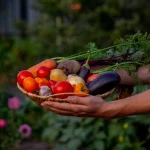
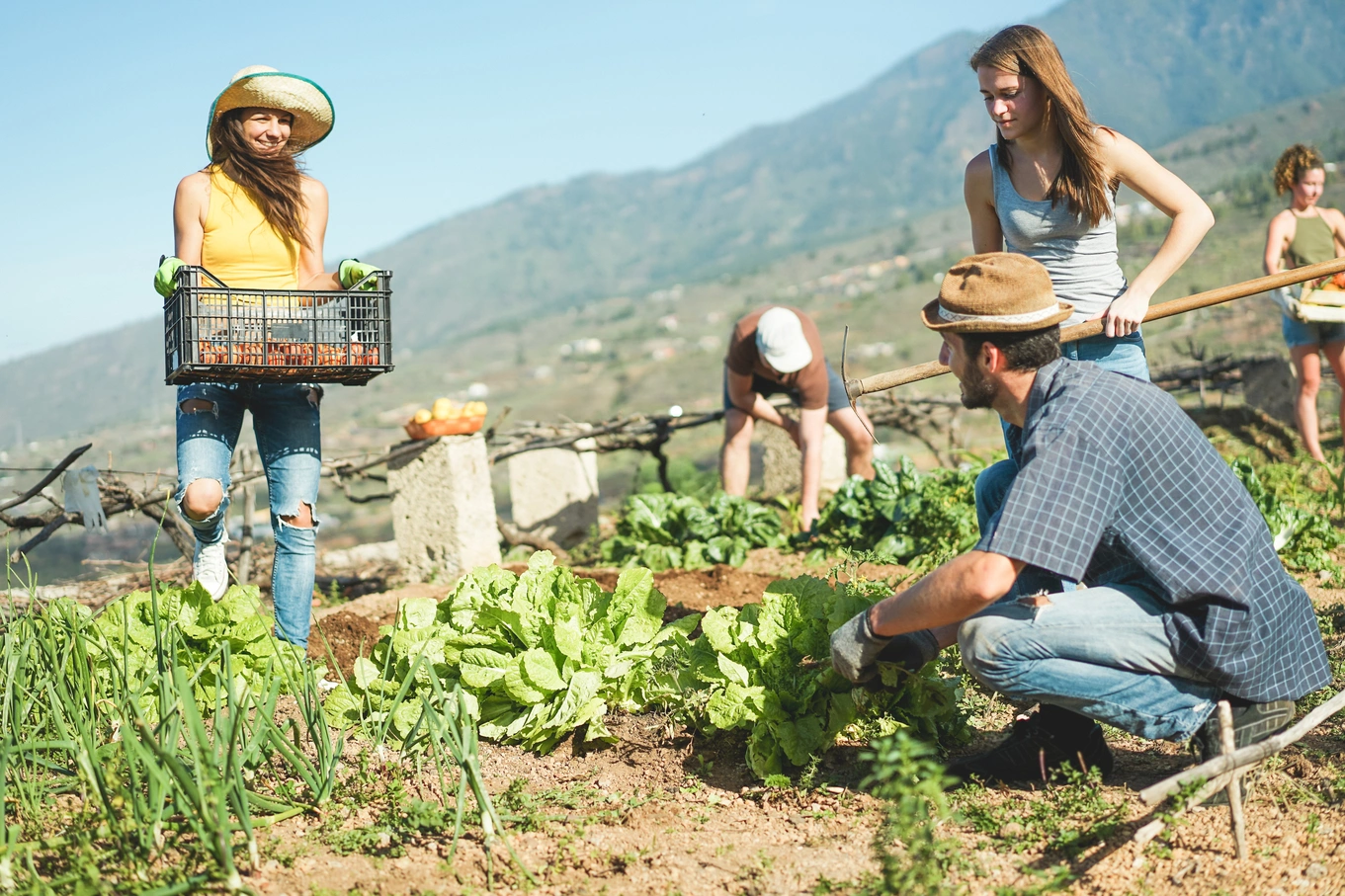
Home vegetable farming is one of the most practical and rewarding ways to grow fresh, chemical-free food right at your doorstep. Whether you have a small backyard, terrace, balcony, or even a few pots, you can produce a variety of vegetables with proper planning and care. It not only reduces grocery expenses but also ensures healthier eating habits for your family.
This step-by-step guide will help you understand how to start and manage a successful home vegetable garden from scratch.
Step 1: Choosing the Right Location
The first and most important step is selecting a suitable location. Most vegetables require at least 5–6 hours of direct sunlight daily. A sunny balcony, rooftop, backyard, or window space can work well.
Good air circulation and easy access to water are also important. Avoid areas with constant shade or poor drainage, as they can slow plant growth and increase the risk of disease.
Step 2: Deciding What to Grow
Begin with easy-to-grow vegetables that give quick results. This keeps you motivated and helps you learn basic gardening skills.
Some beginner-friendly vegetables include tomatoes, spinach, green chilies, coriander, mint, cucumbers, radishes, and carrots. These crops grow well in containers and small spaces.
It’s better to start small instead of growing too many varieties at once. Once you gain experience, you can expand your garden.
Step 3: Selecting Containers or Garden Beds
For home gardening, you can use pots, grow bags, plastic containers, or raised beds. The container size depends on the vegetable type.
Deep-rooted vegetables like carrots need deeper pots, while leafy greens like spinach can grow in shallow containers. Make sure every container has proper drainage holes to prevent waterlogging.
Step 4: Preparing Soil Mix
Healthy soil is the foundation of successful vegetable farming. A good soil mix should be loose, nutrient-rich, and well-draining.
A simple homemade mix includes garden soil, compost, and sand in equal proportions. Compost improves fertility, soil improves structure, and sand helps with drainage.
You can also add organic fertilizers like vermicompost or cow manure to boost plant growth naturally.
Step 5: Sowing Seeds or Planting Seedlings
Vegetables can be grown either from seeds or nursery seedlings. Seeds are more economical, while seedlings save time.
Sow seeds at the correct depth—usually twice the size of the seed. Keep the soil moist but not overly wet. Germination usually takes 5–10 days depending on the vegetable type.
If using seedlings, transplant them carefully to avoid damaging the roots. Water immediately after planting.
Step 6: Watering Techniques
Proper watering is essential for healthy vegetable growth. Overwatering can cause root rot, while underwatering leads to dry and weak plants.
Most vegetables require watering once daily in summer and every 2–3 days in cooler weather. Always check soil moisture before watering.
Morning watering is preferred because it reduces evaporation and helps plants absorb nutrients effectively.
Step 7: Providing Sunlight and Temperature Control
Sunlight plays a major role in plant growth. Most vegetables need full sun exposure for at least 5–6 hours daily.
In extremely hot weather, some plants may need partial shade to avoid leaf burn. In winter, placing pots in sunny areas helps maintain growth speed.
Step 8: Fertilizer and Nutrient Management
Home vegetable gardens benefit greatly from organic fertilizers. Chemical fertilizers can be used, but organic options are safer and improve soil health over time.
Common organic options include compost, vermicompost, banana peel fertilizer, and kitchen waste compost.
Apply fertilizer every 2–3 weeks depending on plant growth. Avoid over-fertilizing as it can damage roots and reduce yield.
Step 9: Weed and Pest Control
Weeds compete with vegetables for nutrients and should be removed regularly. Hand weeding is the easiest method for small gardens.
Pests like aphids, whiteflies, and caterpillars are common in home gardens. Instead of harsh chemicals, use natural sprays like neem oil or soap water solution.
Keeping plants clean and checking them regularly helps prevent serious pest infestations.
Step 10: Pruning and Plant Care
Pruning helps improve plant shape, airflow, and productivity. Remove dead or yellow leaves regularly to encourage healthy growth.
For plants like tomatoes and chilies, removing unnecessary side shoots helps redirect energy toward fruit production.
Step 11: Supporting Plants (Staking and Trellising)
Some vegetables like tomatoes, cucumbers, and beans need support as they grow. Use sticks, cages, or trellis systems to keep plants upright.
This prevents branches from breaking and improves air circulation, which reduces disease risk and increases yield.
Step 12: Harvesting at the Right Time
Harvesting is the most rewarding part of home vegetable farming. Each vegetable has its own harvesting time.
Leafy greens can be harvested multiple times by picking outer leaves. Fruiting vegetables like tomatoes and cucumbers should be picked when they are fully ripe but still firm.
Regular harvesting encourages plants to produce more vegetables.
Common Mistakes to Avoid
Many beginners make simple mistakes that reduce productivity. Overwatering, poor sunlight, and overcrowding plants are the most common issues.
Using poor-quality soil or skipping fertilization can also limit growth. Another mistake is planting too many vegetables in a small space, which leads to competition and weak plants.
Seasonal Planning for Home Gardens
Seasonal timing plays an important role in vegetable growth. Cool-season vegetables like spinach, peas, and carrots grow best in winter, while tomatoes, cucumbers, and chilies thrive in summer.
Understanding seasonal patterns helps you choose the right crops and improve success rates.
Benefits of Home Vegetable Farming
Home gardening offers multiple benefits beyond just fresh vegetables. It reduces grocery costs, improves food quality, and promotes a healthier lifestyle.
It also provides mental relaxation, reduces stress, and creates a productive hobby for families. Children can also learn valuable lessons about nature and food production.
Conclusion
Home vegetable farming is simple, affordable, and highly rewarding when done correctly. By following proper steps—from selecting the right location to harvesting at the right time—you can enjoy fresh and organic vegetables throughout the year.
Even a small space can become highly productive with consistent care and smart planning. Start small, stay consistent, and gradually expand your garden for better results.