


Introduction to Timing in Agricultural Sales
Timing plays a major role in the profitability of agricultural products. Even high-quality crops can give low returns if they are sold at the wrong time. Understanding market cycles, demand trends, and seasonal patterns helps farmers maximize profit.
Smart selling decisions can turn the same harvest into either a low-income or high-profit opportunity.
Why Timing Matters in Agriculture
Agricultural prices fluctuate based on supply and demand. When supply is high, prices drop, and when supply is low, prices increase.
Selling at the right time helps farmers take advantage of better market rates and reduce post-harvest losses.
Proper timing also reduces storage costs and product spoilage.
Harvest Season vs Market Demand
The most common mistake farmers make is selling immediately after harvest when the market is flooded.
During harvest season, supply increases and prices are usually at their lowest.
Holding produce for a short period or selling before peak harvest can significantly improve profits.
Best Time for Selling Staple Crops
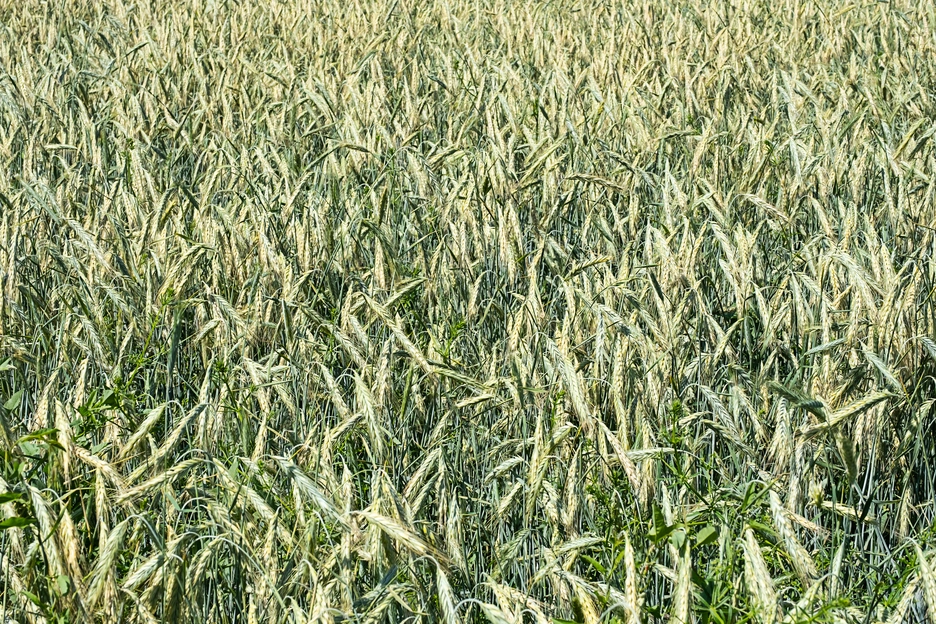
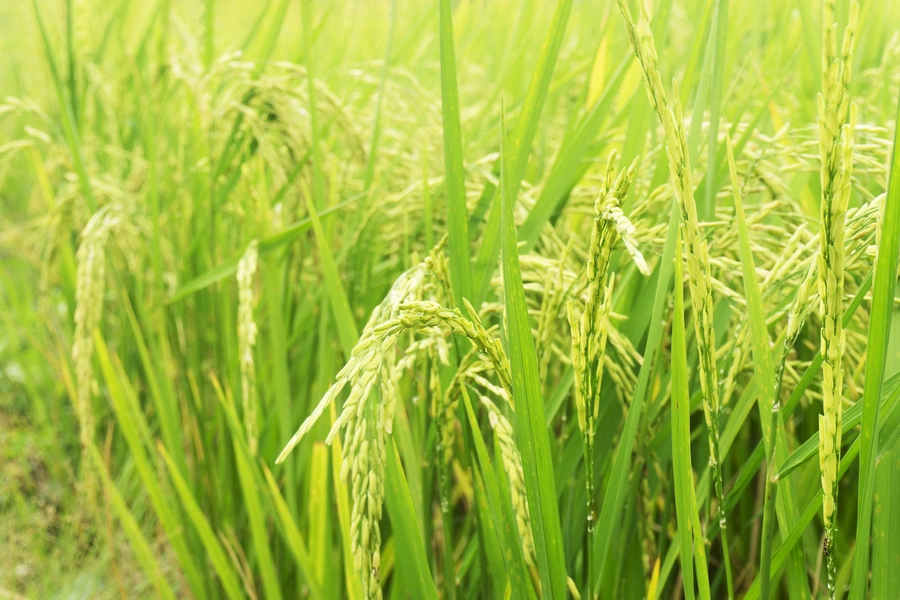
Staple crops like wheat, rice, and maize should be sold when market supply decreases after the harvest peak.
Prices often rise a few weeks or months after the main harvesting season.
Proper storage allows farmers to wait for better market conditions.
Timing for Vegetables
Vegetables are highly perishable and require quick market decisions.
Early morning harvest and same-day market delivery ensure freshness and better prices.
Off-season vegetable production can also bring higher profits due to limited supply.
Fruit Selling Strategy
Fruits like mangoes, citrus, and bananas should be sold at peak ripeness but before over-maturity.
Export-quality fruits must be harvested slightly early for transportation and storage.
Seasonal demand during festivals and holidays often increases prices.
Understanding Market Cycles
Market cycles refer to predictable price fluctuations throughout the year.
Farmers who study these cycles can plan planting and selling strategies more effectively.
Historical price data helps in identifying high-profit selling periods.
Role of Storage in Better Timing
Proper storage allows farmers to delay selling until market prices improve.
Cold storage, silos, and dry storage systems help preserve crop quality.
This strategy is especially useful for grains, fruits, and vegetables.
Selling Before Oversupply Periods
Prices usually drop when large quantities of crops enter the market at the same time.
Selling slightly before peak harvest season can help farmers avoid price crashes.
Early market entry often leads to higher returns.
Impact of Weather on Prices
Weather conditions strongly influence agricultural prices.
Droughts, floods, or poor harvest seasons can increase market prices due to reduced supply.
Monitoring weather forecasts helps farmers plan better selling decisions.
Export Market Timing
International demand also affects pricing. Export opportunities often arise during global shortages or seasonal demand peaks.
Exporting during high-demand periods can significantly increase profit margins.
Understanding global trade calendars is important for exporters.
Festival and Holiday Demand
Agricultural products often see price increases during religious festivals, holidays, and special events.
Foods like fruits, vegetables, and meat products experience higher demand during these periods.
Farmers can plan production cycles to match these peak demand times.
Using Market Information Systems
Modern farmers can use mobile apps, market websites, and SMS services to track daily prices.
Real-time data helps in making quick and informed selling decisions.
This reduces dependency on middlemen and improves profit margins.
Avoiding Middleman Delays
Middlemen often influence selling timing, which can reduce farmer profits.
Selling directly to markets or buyers helps farmers control timing and pricing.
Direct sales improve transparency and income stability.
Balancing Storage Costs and Profit
While holding crops for better prices can increase profit, storage costs must also be considered.
Excessive storage time can reduce quality and increase risk of loss.
Smart farmers balance waiting time with cost efficiency.
Conclusion
Best timing for selling agricultural products depends on understanding market trends, crop type, storage capacity, and seasonal demand. Selling at the right time can significantly increase farmer income without increasing production costs.
With proper planning, market awareness, and storage management, farmers can maximize profit and reduce financial risk in agriculture.