




Introduction to Agriculture Import Export Opportunities
The agriculture sector offers strong import and export opportunities for farmers, traders, and agribusiness investors. With increasing global demand for food products, agricultural goods have become one of the most traded commodities worldwide.
Countries like Pakistan have strong potential in exporting crops, fruits, vegetables, and livestock products due to fertile land and diverse climate conditions.
Why Agriculture Trade is Growing Globally
Global population growth is increasing the demand for food, creating new opportunities for agricultural trade.
At the same time, improvements in transportation, cold storage, and supply chains have made international trade easier.
Consumers also prefer high-quality and organic food products, increasing demand for exports.
Major Export Products in Agriculture Sector
Agricultural exports include a wide range of products depending on climate and production capacity.
1. Rice Export
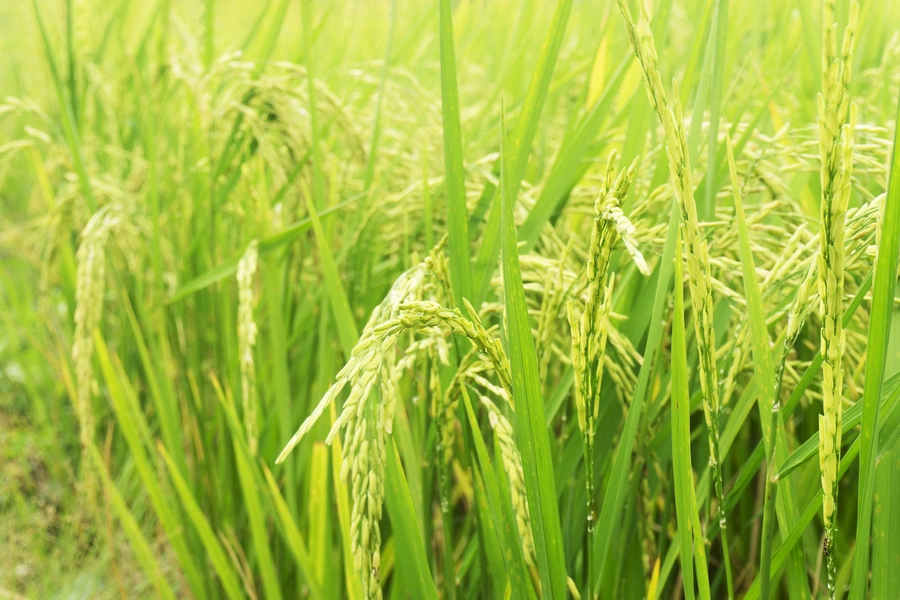
Rice is one of the most important export crops, especially varieties like Basmati rice known for aroma and quality.
It has strong demand in Middle Eastern, European, and Asian markets.
2. Fruits and Vegetables
Fresh fruits like mangoes, citrus, and bananas are highly demanded in international markets.
Vegetables such as onions, potatoes, and tomatoes also have strong export potential.
3. Wheat and Grains
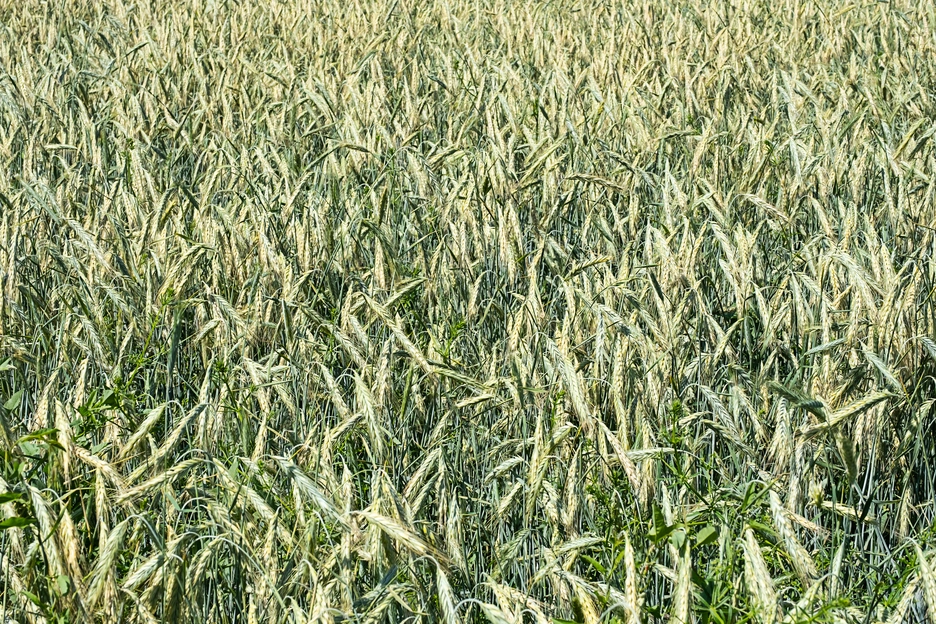
Wheat, maize, and other grains are exported depending on surplus production and global demand.
4. Spices and Herbs
Spices like chilies, cumin, and coriander are valuable export items due to their high demand in food industries.
5. Livestock Products
Meat, dairy products, and leather goods also contribute significantly to agricultural exports.
Import Opportunities in Agriculture
Imports are equally important for filling gaps in local production and improving agricultural efficiency.
1. High-Yield Seeds
Many countries import hybrid and genetically improved seeds to increase crop productivity.
2. Agricultural Machinery
Modern tractors, harvesters, and irrigation systems are often imported to improve farming efficiency.
3. Fertilizers and Chemicals
Some fertilizers and advanced agrochemicals are imported to meet soil and crop requirements.
4. Animal Feed and Supplements
High-quality feed additives and vitamins are imported for better livestock productivity.
Benefits of Agriculture Import Export Business
Engaging in agriculture trade provides multiple economic benefits for farmers and businesses.
It increases income, creates job opportunities, and strengthens national economy.
It also helps farmers access global markets and better pricing for their products.
Role of Quality and Standards
Quality control is essential in agricultural exports. International markets require strict standards for food safety and packaging.
Proper grading, certification, and hygiene practices improve export chances.
Compliance with global standards increases trust and market access.
Cold Chain and Storage Systems
Cold storage and transportation systems are important for preserving perishable goods like fruits and vegetables.
Without proper storage, products can lose quality before reaching international markets.
Cold chain systems help maintain freshness and reduce post-harvest losses.
Government Support and Policies
Many governments support agriculture exports through subsidies, training programs, and export incentives.
Export promotion agencies help farmers connect with international buyers.
These policies encourage growth in the agriculture trade sector.
Challenges in Agriculture Import Export
Despite opportunities, there are challenges such as lack of infrastructure, price fluctuations, and strict international regulations.
Poor logistics and storage facilities can affect product quality.
Farmers and exporters must adapt to global competition.
Role of Technology in Agriculture Trade
Digital platforms and e-commerce are making it easier to connect farmers with global buyers.
Online marketplaces help showcase agricultural products internationally.
Technology improves transparency, pricing, and supply chain management.
Steps to Start Agriculture Export Business
Starting an export business requires proper planning and market understanding.
- Identify high-demand agricultural products
- Ensure quality production and packaging
- Obtain export certifications and licenses
- Connect with international buyers and agents
- Develop proper logistics and storage systems
Conclusion
The agriculture import export sector offers huge opportunities for farmers and entrepreneurs. With proper quality control, modern technology, and market awareness, agricultural products can compete in global markets.
By improving production standards and using better supply chain systems, farmers can increase income and contribute to economic growth.