


Introduction
Seasonal planning is the backbone of successful wheat and rice farming. In countries like Pakistan, where agriculture depends heavily on climate patterns, timing every farming activity correctly can significantly increase yield and profit. Wheat and rice are two major staple crops, but both require completely different seasonal strategies. Understanding when to prepare land, sow seeds, irrigate fields, and manage pests can make the difference between average and high-yield production.
This guide explains the best seasonal practices for wheat and rice crops in a simple, practical way so farmers can maximize productivity throughout the year.
Seasonal Understanding of Wheat Farming
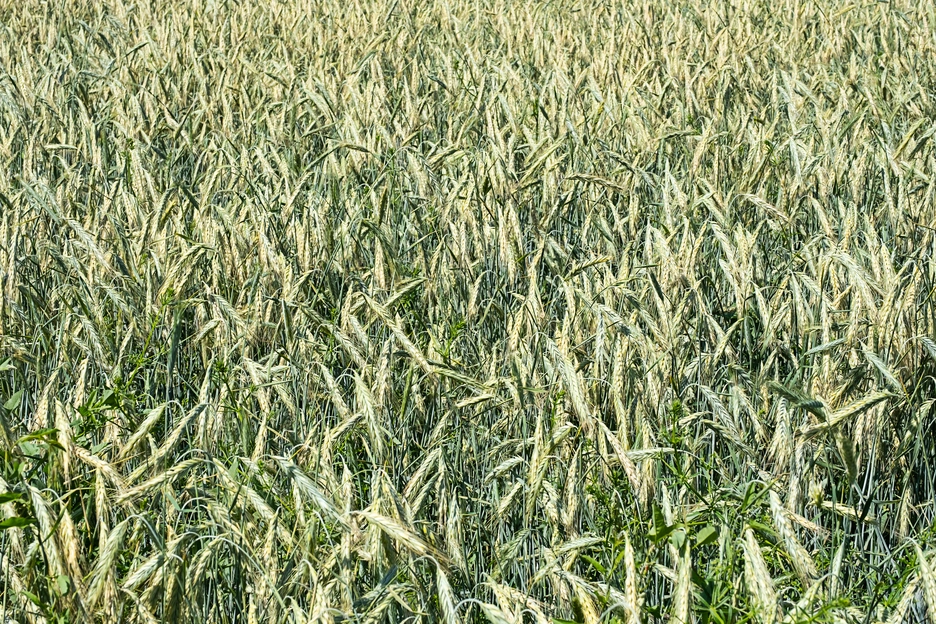
Wheat is a Rabi crop, meaning it is grown in the winter season. In Pakistan, the ideal sowing period is from mid-October to December depending on the region. The crop grows during cooler months and is harvested in spring, usually from March to April.
Seasonal timing is extremely important because wheat is sensitive to temperature changes. Early sowing can lead to excessive vegetative growth, while late sowing reduces grain formation due to rising temperatures at maturity.
Best Seasonal Land Preparation for Wheat
Land preparation should begin immediately after the monsoon season ends. Fields must be cleared of previous crop residues and weeds. Deep plowing helps improve soil aeration and moisture retention, which is crucial for winter crops.
Farmers should complete soil leveling before the sowing window begins so that irrigation is uniform throughout the field during the growing season.
Seasonal Irrigation Strategy for Wheat
Wheat does not require excessive water, but timely irrigation is critical. The most important seasonal irrigation stages include:
1. Crown root initiation stage (20–25 days after sowing)
2. Tillering stage
3. Jointing stage
4. Flowering stage
5. Grain filling stage
During winter, evaporation is low, so overwatering should be avoided. Proper seasonal irrigation planning helps prevent water stress and improves grain quality.
Seasonal Fertilizer Application in Wheat
Fertilizer application should be aligned with crop growth stages. Nitrogen is usually applied in splits to avoid wastage and ensure steady growth throughout the season.
At sowing time, phosphorus and potassium are applied to support root development. Nitrogen is then divided into two or three doses during irrigation cycles in winter to enhance tillering and grain formation.
Seasonal Pest and Disease Management in Wheat
Wheat pests such as aphids and diseases like rust become more active during late winter and early spring. Seasonal monitoring is essential to detect early signs of infection.
Dry and cold weather usually reduces pest activity, but sudden temperature increases in March can trigger outbreaks. Preventive spraying and resistant seed varieties are key seasonal strategies.
Harvesting Wheat at the Right Season
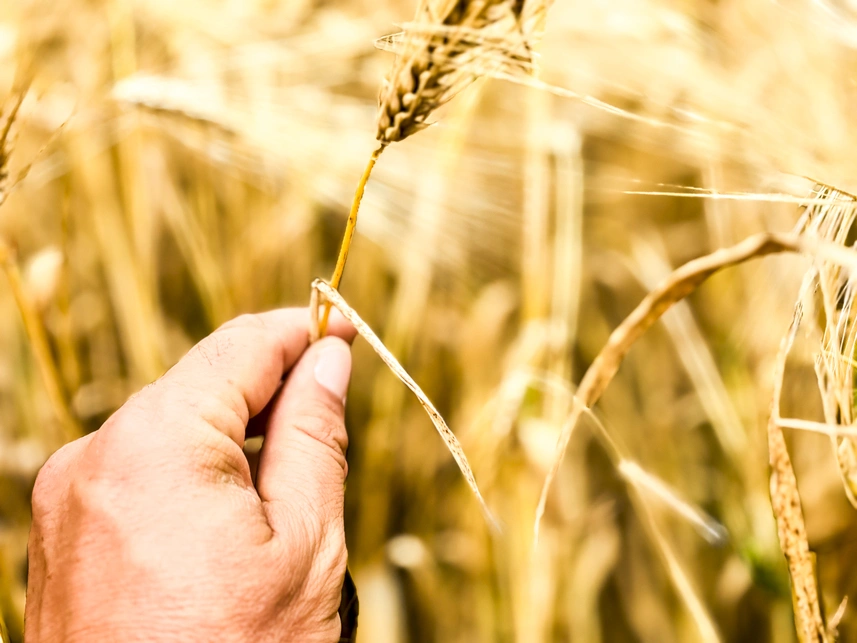
Wheat should be harvested when grains turn golden yellow and moisture content is low. Delaying harvest in warm spring weather can cause grain shattering and yield loss.
Seasonal timing here is critical because late harvesting can also reduce grain quality due to rising temperatures in April.
Seasonal Overview of Rice Farming
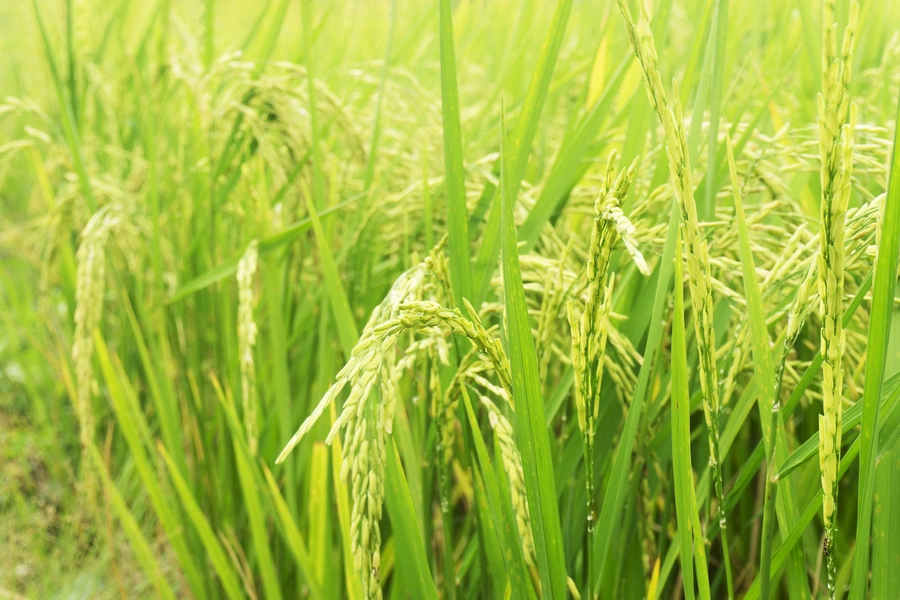
Rice is a Kharif crop and is grown in the summer season. In Pakistan, the rice season starts with nursery preparation in May–June, transplanting in June–July, and harvesting from September to October.
Unlike wheat, rice depends heavily on monsoon rains and warm temperatures. Seasonal water availability plays a major role in determining yield.
Seasonal Nursery Preparation for Rice
The rice season begins with nursery preparation before the monsoon arrives. Seeds are sown in May or early June so seedlings are ready for transplanting when rains begin.
Proper seasonal planning ensures that seedlings are strong enough to survive transplanting during wet conditions.
Seasonal Transplanting Strategy
Transplanting is usually done during early monsoon (June–July). This is the most important seasonal stage of rice farming. Water availability is high, making it easier for seedlings to establish in flooded fields.
Delaying transplanting can reduce yield because shorter growing time leads to poor grain filling before autumn temperatures drop.
Seasonal Water Management in Rice Fields
Rice requires continuous water supply during the monsoon season. However, excessive rainfall can also cause waterlogging issues.
Seasonal water control includes maintaining proper field drainage during heavy rains and ensuring consistent water depth during dry spells. Alternate Wetting and Drying (AWD) can also be used in modern farming systems to save water while maintaining yield.
Seasonal Fertilizer Use in Rice Farming
Rice requires higher nitrogen levels during the monsoon season due to rapid plant growth. Fertilizers should be applied in stages:
At transplanting, a base dose of phosphorus and potassium is applied. Nitrogen is then added in multiple splits during the vegetative and reproductive stages.
Seasonal rainfall can wash away nutrients, so timing fertilizer application just before irrigation or rainfall improves efficiency.
Seasonal Pest and Disease Control in Rice
Warm and humid monsoon conditions create ideal environments for pests like stem borers and diseases like blast.
Seasonal monitoring is essential from July to September. High humidity increases disease risk, so farmers must adopt preventive spraying and maintain proper field hygiene during this period.
Seasonal Harvesting of Rice
Rice is harvested in autumn (September–October) when grains are fully mature and moisture levels decrease.
Early harvesting during the monsoon tail end can result in immature grains, while late harvesting may lead to lodging due to post-rain wind conditions. Seasonal weather forecasting helps farmers choose the right harvest time.
Month-Wise Seasonal Farming Calendar
A simple seasonal breakdown for Pakistan farming conditions:
Wheat Season:
October–December: Sowing
January–February: Growth and irrigation
March–April: Grain filling and harvesting
Rice Season:
May–June: Nursery preparation
June–July: Transplanting
August–September: Growth and irrigation
September–October: Harvesting
Common Seasonal Mistakes Farmers Make
One of the biggest mistakes is ignoring seasonal timing and relying on outdated farming practices. Late sowing of wheat or delayed transplanting of rice directly reduces yield.
Another common issue is improper water management during seasonal transitions, especially during monsoon rains and winter dry spells.
Overuse of fertilizers without considering seasonal rainfall patterns also leads to nutrient loss and increased costs.
Climate Impact on Seasonal Farming
Climate change has made seasonal farming less predictable. Irregular rainfall, heatwaves, and shifting temperature patterns are affecting both wheat and rice crops in Pakistan.
Farmers must now rely more on weather forecasting tools and adaptive farming techniques to adjust seasonal activities in real time.
Conclusion
Seasonal practices are the foundation of successful wheat and rice farming. Each crop has its own cycle, and understanding when and how to perform key farming activities can greatly improve yield and profitability.
Wheat requires precise winter management with controlled irrigation and timely fertilization, while rice depends heavily on monsoon timing and water availability. Farmers who align their practices with seasonal patterns and adopt modern techniques can achieve significantly better results.
In the long run, seasonal awareness not only increases production but also reduces input costs and improves sustainability in agriculture.