




Introduction to Safe Use of Pesticides
Pesticides are important tools in modern agriculture for protecting crops from pests, diseases, and weeds. However, improper or careless use can harm human health, soil fertility, beneficial insects, and the environment.
Safe use of pesticides ensures effective crop protection while minimizing risks and maintaining sustainable farming systems.
Why Safe Pesticide Use Matters
Unsafe pesticide use can lead to food contamination, resistance in pests, and long-term soil damage.
It can also affect farmers directly through skin contact, inhalation, or accidental exposure.
Using pesticides responsibly helps protect both crops and human health.
Choose the Right Pesticide
Select pesticides based on the specific pest or disease affecting the crop.
Using the wrong chemical increases costs and reduces effectiveness.
Always prefer approved and crop-specific products recommended for your region.
Read and Follow Label Instructions
Every pesticide comes with a label that includes dosage, safety instructions, and application methods.
Following these instructions is essential for safe and effective use.
Overdosing or underdosing can lead to poor results and crop damage.
Use Correct Dosage
Using more pesticide than required does not improve results; instead, it increases risks.
Correct dosage ensures effective pest control while reducing environmental harm.
Farmers should always measure chemicals accurately before mixing.
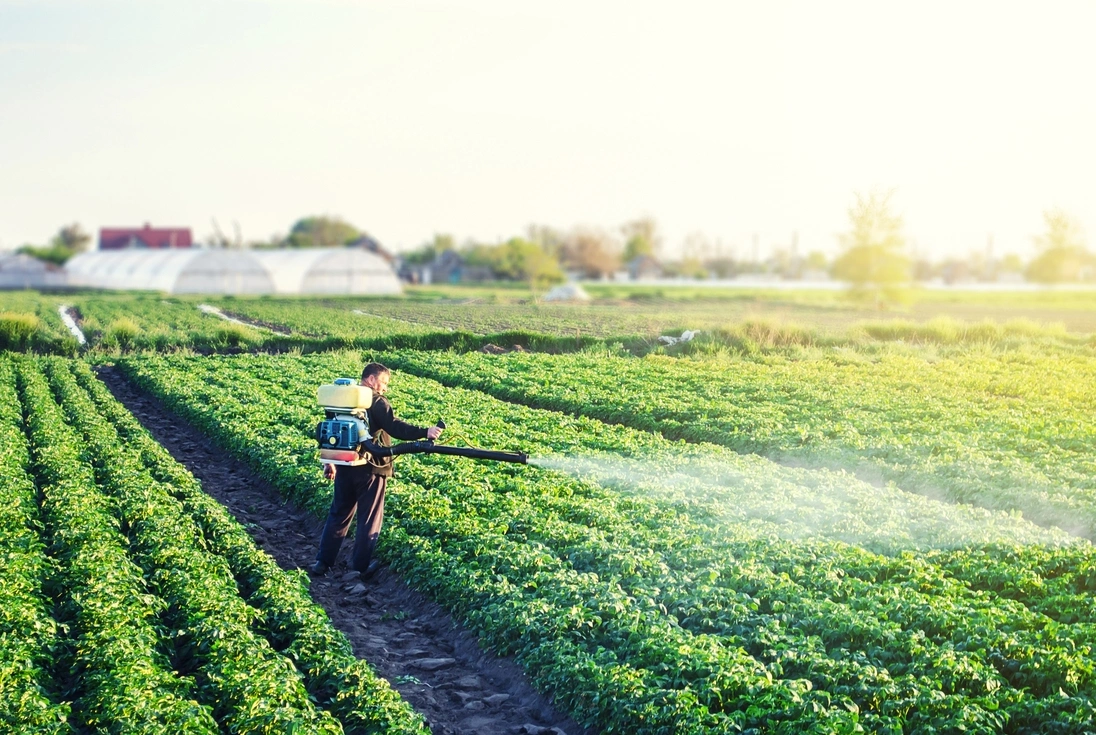
Wear Protective Equipment
Personal protective equipment (PPE) is essential when handling pesticides.
Farmers should wear gloves, masks, goggles, and long-sleeved clothing during spraying.
This reduces direct exposure and protects against health risks.
Avoid Spraying During Windy Conditions
Spraying pesticides in windy weather can cause drift, spreading chemicals to unwanted areas.
This may harm nearby crops, animals, and humans.
Always spray during calm weather conditions for better accuracy.
Proper Timing of Application
Apply pesticides during early morning or late evening when temperatures are lower.
This reduces evaporation and improves effectiveness.
It also minimizes harm to beneficial insects like bees.
Do Not Mix Unapproved Chemicals
Mixing different pesticides without guidance can create harmful chemical reactions.
Only mix products that are labeled as compatible.
Improper mixing can reduce effectiveness or damage crops.
Safe Storage of Pesticides
Pesticides should be stored in a cool, dry, and locked place away from food and animal feed.
Keep them in original containers with labels intact.
Proper storage prevents accidents and contamination.
Proper Disposal of Empty Containers
Empty pesticide containers should never be reused for food or water storage.
They should be washed, punctured, and disposed of safely according to local guidelines.
This helps prevent environmental pollution and health risks.
Avoid Overuse and Frequent Spraying
Frequent spraying increases pesticide resistance in pests and reduces long-term effectiveness.
Use pesticides only when pest levels reach harmful thresholds.
Integrated Pest Management (IPM) should be followed to reduce chemical dependence.
Protect Water Sources
Pesticides should not be applied near rivers, canals, or drinking water sources.
This prevents water contamination and protects aquatic life.
Buffer zones should be maintained around water bodies.
Wash Hands and Equipment After Use
After spraying, farmers should wash hands, clothes, and equipment thoroughly.
This prevents accidental exposure and chemical residue buildup.
Clean tools also last longer and perform better.
Use Alternative Pest Control Methods
Combining pesticides with natural methods like neem sprays, biological control, and crop rotation reduces chemical dependency.
This improves soil health and long-term productivity.
It also helps maintain ecological balance in farming systems.
Train and Educate Farmers
Proper training on pesticide use is essential for safety and efficiency.
Farmers should understand application methods, safety precautions, and environmental impacts.
Awareness programs help reduce misuse and improve farm productivity.
Conclusion
Safe use of pesticides in agriculture is essential for protecting crops, human health, and the environment. By following correct dosage, wearing protective gear, and using pesticides responsibly, farmers can achieve effective pest control without harmful side effects.
Combining chemical use with sustainable farming practices ensures long-term agricultural success and safety.