



Introduction to Chemical Sprays for Crop Protection
Chemical sprays are widely used in modern agriculture to protect crops from insects, fungi, weeds, and bacterial infections. When used correctly, they help farmers reduce crop loss and improve yield.
However, proper selection, dosage, and timing are very important to avoid resistance, environmental damage, and residue issues.
Main Types of Chemical Crop Protection Sprays
In agriculture, chemical sprays are mainly divided into three major categories: insecticides, fungicides, and herbicides. Each type targets specific threats to crops.
Insecticide Sprays for Pest Control
Insecticides are used to control harmful insects that damage leaves, stems, and fruits. These pests reduce crop quality and yield if not controlled early.
Common insecticide types include:
- Contact insecticides: Kill insects on direct contact with the spray.
- Systemic insecticides: Absorbed by plants and kill insects that feed on them.
- Biological insecticides: Derived from natural organisms like bacteria.
Examples of active ingredients include imidacloprid, acetamiprid, and thiamethoxam, widely used for controlling aphids, whiteflies, and leafhoppers.
Fungicide Sprays for Disease Control
Fungicides protect crops from fungal diseases such as rust, blight, mildew, and leaf spots. These diseases spread quickly in humid conditions and can destroy large areas of crops.
Fungicides are mainly of two types:
- Contact fungicides: Stay on plant surfaces and prevent infection.
- Systemic fungicides: Move inside the plant and provide internal protection.
Common fungicide ingredients include azoxystrobin, tebuconazole, and difenoconazole, which are effective in cereals, vegetables, and fruit crops.
Herbicide Sprays for Weed Control
Herbicides are used to control unwanted weeds that compete with crops for nutrients, sunlight, and water.
Weeds can significantly reduce crop yield if not managed properly.
Types of herbicides include:
- Selective herbicides: Target specific weeds without harming crops.
- Non-selective herbicides: Kill all vegetation they come into contact with.
- Pre-emergent herbicides: Prevent weed seeds from germinating.
- Post-emergent herbicides: Control existing weeds.
Common examples include glyphosate, 2,4-D, and pendimethalin.
Bactericide Sprays for Bacterial Diseases
Bactericides are used to control bacterial infections in crops such as leaf spots, blights, and wilting diseases.
They help protect plant tissues from bacterial spread and reduce crop damage.
Common ingredients include copper compounds, hydrogen peroxide, and chlorine-based solutions.
Benefits of Chemical Sprays in Farming
Chemical sprays provide quick and effective protection against a wide range of crop threats.
They help increase yield, improve crop quality, and reduce post-harvest losses.
They are especially useful in large-scale farming where pest pressure is high.
Proper Use and Application Methods
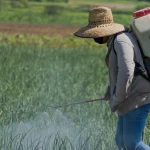
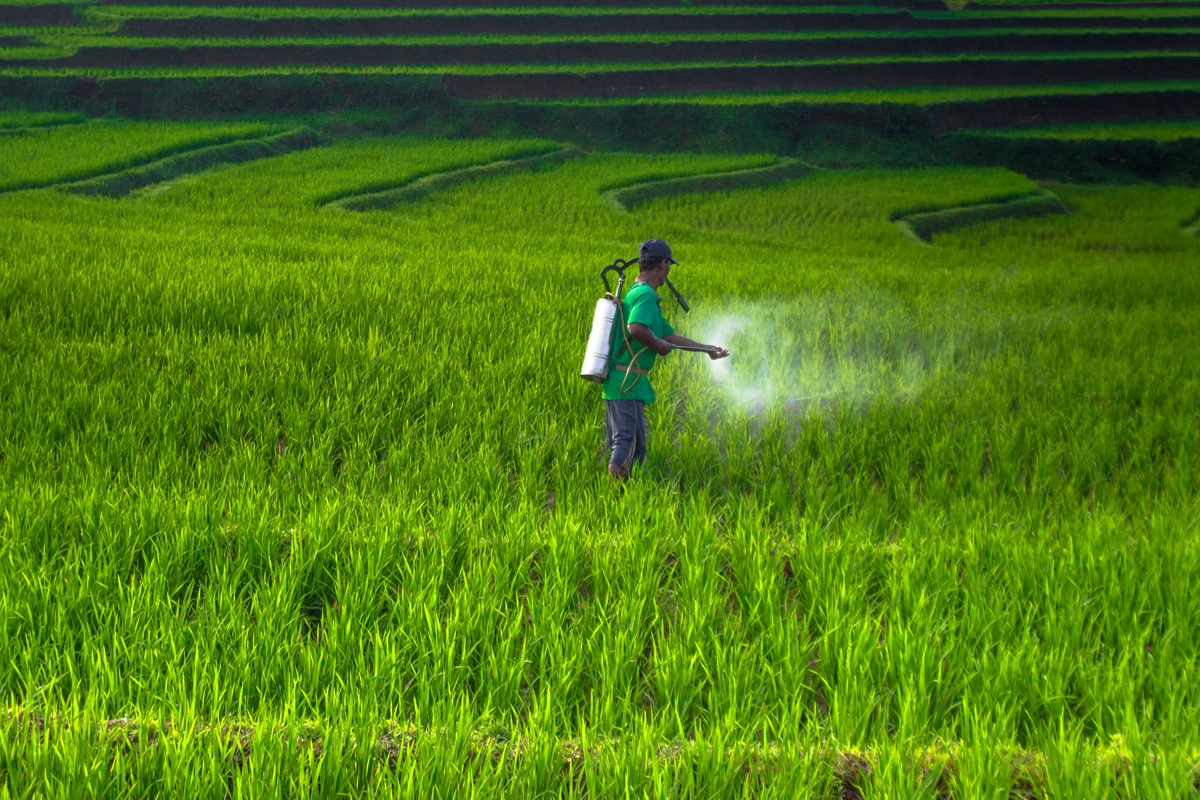
Chemical sprays are usually applied using knapsack sprayers, boom sprayers, or drone spraying systems.
Correct timing and dosage are critical for maximum effectiveness.
Overuse or incorrect application can reduce effectiveness and damage crops.
Risks of Overusing Chemical Sprays
Excessive use of chemical sprays can lead to pest resistance, where pests become harder to control over time.
It may also harm beneficial insects and reduce soil health.
Improper use can leave harmful residues on food crops.
Best Practices for Safe Use
Farmers should always follow label instructions and use recommended doses only when necessary.
Rotating different chemical groups helps prevent resistance development.
Combining chemical control with organic and cultural methods is the best long-term strategy.
Conclusion
Chemical sprays play an important role in protecting crops from pests, diseases, and weeds. Insecticides, fungicides, and herbicides help ensure higher productivity when used responsibly.
However, safe usage practices and integrated pest management are essential to maintain soil health, reduce resistance, and ensure sustainable farming.