


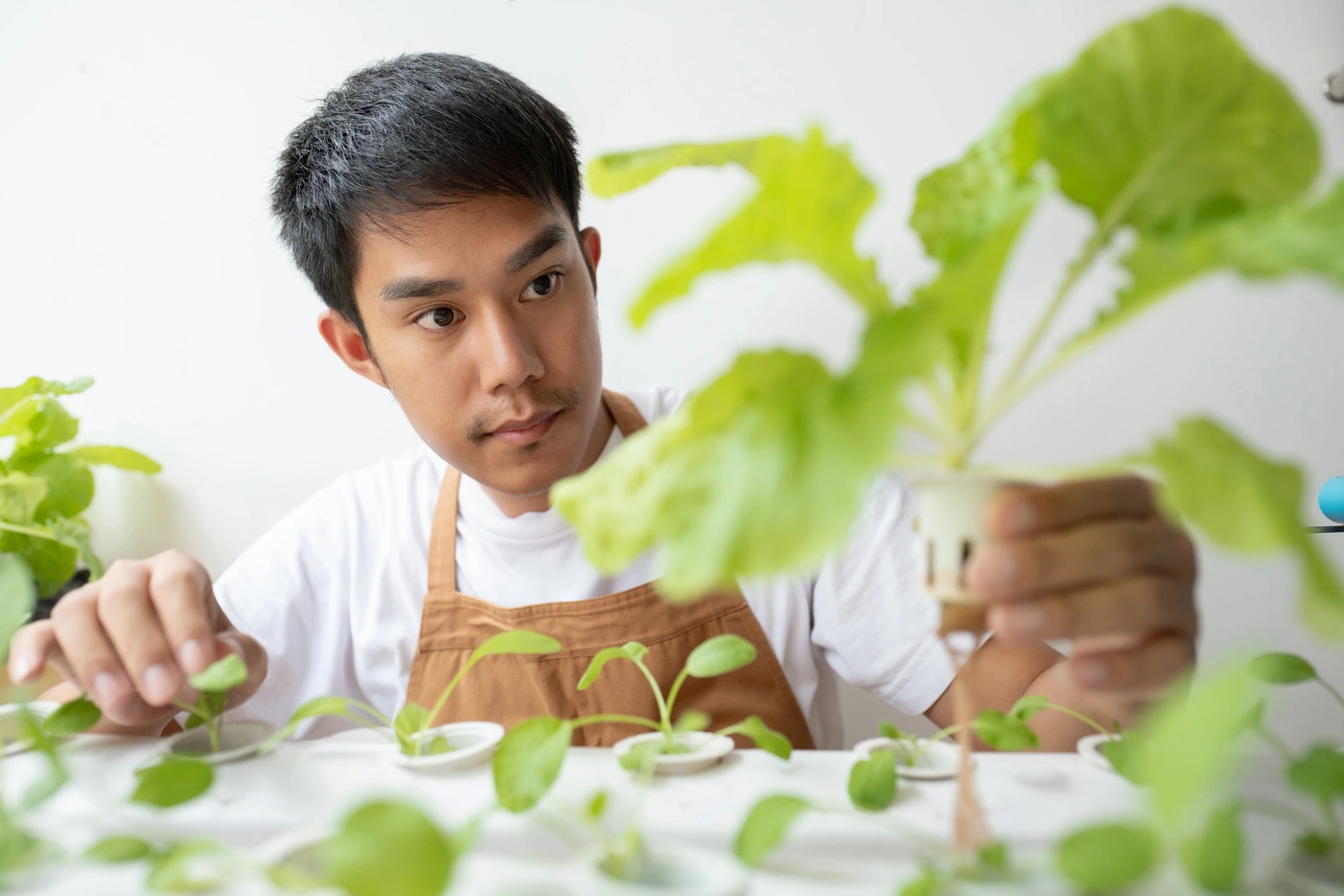
Introduction to Home Hydroponic Farming
Hydroponic vegetable farming at home is a simple way to grow fresh, healthy vegetables without using soil. It is especially useful for people living in cities where space is limited but the demand for clean, pesticide-free food is high.
This system allows you to grow plants in water enriched with nutrients, making it possible to produce vegetables faster, cleaner, and more efficiently compared to traditional gardening.
Why Start Hydroponics at Home?
Home hydroponics is becoming popular because it solves several common gardening problems. You don’t need fertile soil, large land, or heavy labor.
It also reduces water usage, avoids soil-borne diseases, and allows year-round vegetable production indoors or outdoors.
For families, it is a practical way to get fresh vegetables daily while saving money on groceries.
Step 1: Choose a Simple Hydroponic System
For beginners, starting with a simple system is the best approach. Complex setups can be confusing and costly at the beginning.
Easy options include:
• Kratky method (no electricity needed)
* Deep Water Culture (DWC)
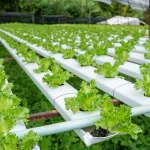
* Small NFT (Nutrient Film Technique) setup
The Kratky method is the simplest and most beginner-friendly system for home use.
Step 2: Select the Right Location
Choose a location that gets at least 4–6 hours of sunlight daily, such as a balcony, rooftop, terrace, or near a window.
If natural light is limited, you can use LED grow lights to support plant growth indoors.
Ensure the area is clean, well-ventilated, and easy to access for maintenance.
Step 3: Choose Suitable Vegetables
Not all vegetables grow well in hydroponic systems. Beginners should start with fast-growing leafy vegetables.
Best vegetables for home hydroponics include:
• Lettuce
* Spinach
* Coriander
* Mint
* Basil
* Kale
* Green onions
These plants grow quickly and require minimal maintenance.
Step 4: Gather Basic Materials
To start hydroponic farming at home, you will need some basic equipment. Most items are affordable and easily available.
Essential materials include:
• Plastic containers or buckets
* Net pots or cups
* Hydroponic nutrient solution
* Growing medium (coco peat, rockwool, or clay pellets)
* Water pump (optional for some systems)
* Air pump (for oxygen supply in DWC systems)
Step 5: Prepare Nutrient Solution
Plants in hydroponics get all their nutrients from water, so preparing the right nutrient solution is very important.
Use a balanced hydroponic nutrient mix that contains nitrogen, phosphorus, potassium, and essential micronutrients.
Maintain proper pH levels between 5.5 and 6.5 for best plant growth.
Step 6: Germinate Seeds Properly
Start by germinating seeds in a growing medium like coco peat or rockwool.
Keep the medium moist but not waterlogged until seedlings develop strong roots.
Once seedlings are ready, transfer them carefully into the hydroponic system.
Step 7: Set Up the Hydroponic System
Place seedlings in net pots and position them in your chosen hydroponic setup.
Ensure roots are in contact with nutrient solution or moist growing medium depending on the system type.
Check that containers are stable and protected from direct contamination.
Step 8: Provide Proper Light
Light is essential for photosynthesis. Plants need adequate light to grow healthy and strong.
If natural sunlight is insufficient, use LED grow lights for 10–14 hours daily.
Proper light exposure improves growth rate and vegetable quality.
Step 9: Maintain Water and Nutrients
Check water levels regularly and refill nutrient solution when needed.
Replace nutrient solution every 2–3 weeks to maintain freshness and avoid nutrient imbalance.
Monitor pH levels and adjust if necessary to keep plants healthy.
Step 10: Ensure Oxygen Supply
Plant roots need oxygen for healthy growth. In water-based systems like Deep Water Culture, an air pump is used to supply oxygen.
Good oxygen levels prevent root rot and improve nutrient absorption.
Step 11: Monitor Plant Growth
Regular monitoring is important in hydroponic gardening.
Check for signs of nutrient deficiency, yellowing leaves, or slow growth.
Healthy plants should show steady green growth and strong root development.
Step 12: Control Temperature and Environment
Most hydroponic vegetables grow best in moderate temperatures between 18°C and 28°C.
Avoid extreme heat or cold conditions as they can affect plant growth.
Good ventilation also helps prevent fungal diseases and improves plant health.
Step 13: Prevent Pests and Diseases
Hydroponic systems have fewer pest problems compared to soil farming, but prevention is still important.
Keep the system clean and avoid stagnant water.
Use natural pest control methods like neem spray if needed.
Step 14: Harvesting Hydroponic Vegetables
One of the biggest advantages of hydroponics is fast harvesting. Leafy vegetables can be ready within 3–6 weeks depending on the crop.
Harvest leaves carefully without damaging the plant so it can continue producing.
Regular harvesting encourages continuous growth and higher yield.
Cost of Starting Home Hydroponics
Starting a small hydroponic setup at home is affordable. Basic systems can be built with low-cost materials.
Initial cost depends on system size, lighting, and automation level.
Even a small setup can produce fresh vegetables regularly, reducing grocery expenses over time.
Common Mistakes to Avoid
Beginners often make mistakes such as using incorrect nutrient levels, poor lighting, or overcrowding plants.
Ignoring pH balance and water quality can also affect plant health.
Proper planning and regular monitoring help avoid these issues.
Benefits of Home Hydroponic Farming
Home hydroponics offers many advantages:
• Fresh and chemical-free vegetables
* Faster plant growth
* Less water usage
* No need for soil or large land
* Year-round production
* Reduced grocery expenses
It is a practical and sustainable way to grow food at home.
Conclusion
Starting hydroponic vegetable farming at home is simple, cost-effective, and highly rewarding. With basic materials, proper care, and consistent maintenance, anyone can grow fresh vegetables even in small spaces.
This modern farming method not only improves food quality but also promotes self-sufficiency and sustainable living in urban environments.