



Introduction to Milk Production Improvement
Increasing milk production in cows and buffaloes is a key goal for dairy farmers aiming for higher profitability and sustainable farming. Milk yield depends on multiple factors including genetics, feeding practices, health management, housing, and stress control.
Improving milk production is not about one single change, but a combination of proper management practices applied consistently.
Choosing High Milk-Producing Breeds
Breed selection plays a major role in milk yield. High genetic potential animals naturally produce more milk when managed properly.
Common high-yield cow breeds include Holstein Friesian and Jersey, while buffalo breeds like Nili-Ravi and Murrah are known for excellent milk production.
Selecting healthy, high-yielding animals is the first step toward increasing overall farm productivity.
Balanced Nutrition for Higher Milk Yield
Nutrition is the most important factor affecting milk production. Dairy animals require a balanced diet rich in energy, protein, minerals, and vitamins.
A proper feeding plan should include green fodder, dry fodder, concentrate feed, and mineral supplements.
High-quality feed improves digestion, supports udder health, and increases daily milk output.
Importance of Green Fodder
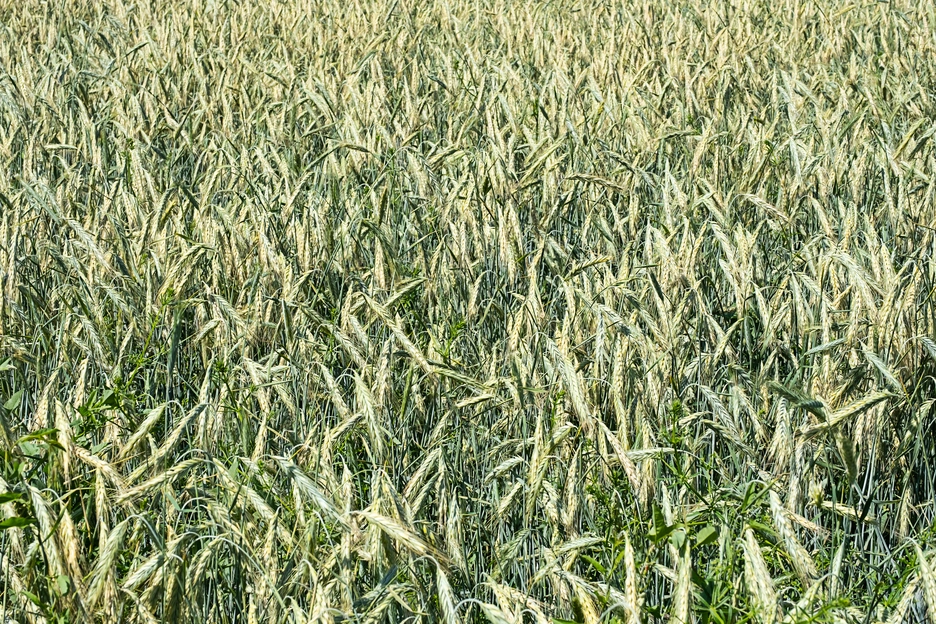
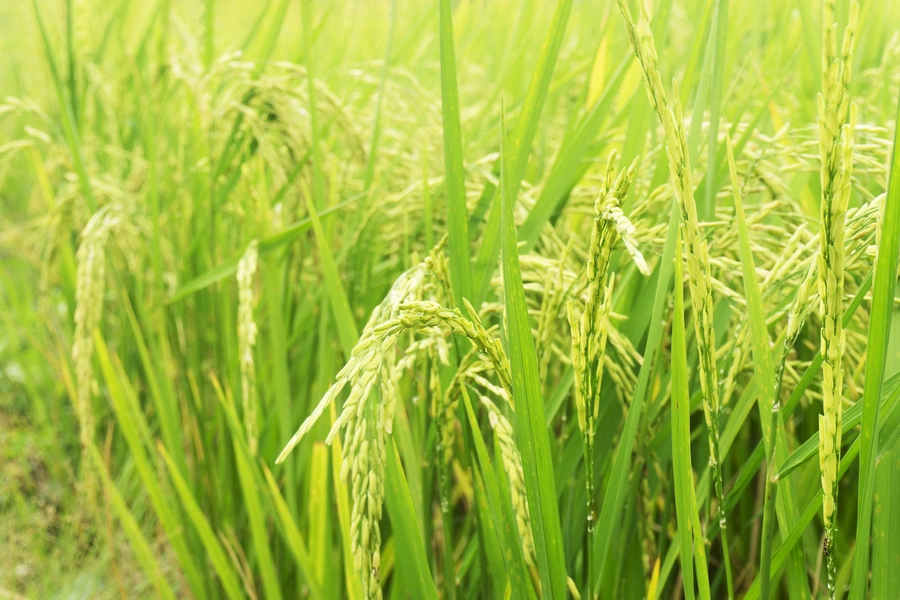
Fresh green fodder such as berseem, maize, alfalfa, and sorghum provides essential nutrients and hydration.
It improves digestion and naturally boosts milk production due to its high nutrient content.
Regular availability of green fodder significantly enhances milk quality and quantity.
Role of Concentrate Feed
Concentrate feed is essential for high milk-producing animals as it provides extra energy and protein.
Ingredients like maize, wheat bran, cottonseed cake, and soybean meal support higher milk yield.
The quantity of concentrate should be adjusted based on milk production level and animal body condition.
Proper Feeding Schedule
Feeding timing and consistency directly affect milk output. Dairy animals should be fed at fixed times every day.
Dividing feed into multiple portions improves digestion and nutrient absorption.
Irregular feeding can reduce milk yield and affect animal health.
Clean Water Supply
Water intake has a direct impact on milk production since milk contains a high percentage of water.
Dairy animals should always have access to clean, fresh water throughout the day.
Increased water intake leads to higher milk yield, especially in hot weather conditions.
Proper Housing and Comfort
Comfortable housing improves milk production by reducing stress in animals. Clean, well-ventilated, and dry sheds are essential.
Animals should have enough space to rest and move freely without overcrowding.
Comfortable bedding and proper shade help maintain body temperature and improve productivity.
Reducing Stress in Dairy Animals
Stress is a major factor that reduces milk yield. Loud noises, overcrowding, and poor handling can negatively affect production.
Calm environment, gentle handling, and consistent routines help maintain high milk output.
Reducing stress improves both milk quantity and quality.
Regular Milking Practices
Milking at fixed intervals ensures consistent milk production. Most animals respond better to regular milking schedules.
Proper milking techniques help fully empty the udder, which stimulates higher milk production.
Clean milking practices also reduce the risk of mastitis and other infections.
Udder Health Management
Healthy udders are essential for maximum milk production. Udder infections like mastitis can significantly reduce yield.
Regular cleaning, proper milking hygiene, and early treatment of infections are important.
Healthy udder management ensures long-term milk productivity.
Mineral and Vitamin Supplementation
Minerals like calcium, phosphorus, and magnesium are essential for milk production and bone strength.
Vitamin supplements improve immunity and reproductive performance.
Mineral mixtures should be included in daily feed to prevent deficiencies and boost milk yield.
Proper Breeding Management
Efficient breeding management improves genetic quality and milk production potential.
Using high-quality bulls or artificial insemination with superior genetics enhances future milk yield.
Proper calving intervals ensure continuous milk production cycles.
Disease Prevention and Health Care
Diseases directly reduce milk production. Common issues include mastitis, foot and mouth disease, and digestive disorders.
Regular vaccination, deworming, and veterinary checkups are essential for maintaining herd health.
Healthy animals produce more milk consistently over time.
Use of Silage and Fodder Storage
Silage helps maintain milk production during feed shortages. It is especially useful in dry seasons when fresh fodder is limited.
Properly prepared silage retains nutrients and supports continuous milk yield.
Good fodder storage ensures year-round feed availability.
Milking Hygiene and Cleanliness
Clean milking practices improve milk quality and prevent infections. Udder cleaning before and after milking is essential.
Milking equipment should be sanitized regularly to avoid bacterial contamination.
Hygienic practices also improve shelf life and market value of milk.
Record Keeping for Performance Monitoring
Maintaining records helps track milk production, feeding patterns, and animal health.
Farmers can identify high-performing animals and improve herd management decisions.
Good record keeping supports long-term productivity improvement.
Seasonal Management Adjustments
Milk production can fluctuate with seasons. In summer, heat stress reduces yield, while winter requires energy-rich feeding.
Proper cooling systems and seasonal feeding adjustments help maintain stable production throughout the year.
Adapting management practices to seasonal changes improves overall efficiency.
Common Mistakes to Avoid
Many farmers lose milk production due to poor management practices.
Common mistakes include irregular feeding, poor-quality fodder, lack of hygiene, and ignoring animal health issues.
Correcting these mistakes can significantly improve milk yield.
Conclusion
Increasing milk production in cows and buffaloes requires a combination of proper nutrition, good management, health care, and stress control. No single factor is enough on its own.
Farmers who focus on balanced feeding, clean housing, disease prevention, and proper breeding practices can achieve higher and more consistent milk production, leading to better profitability and sustainable dairy farming.