

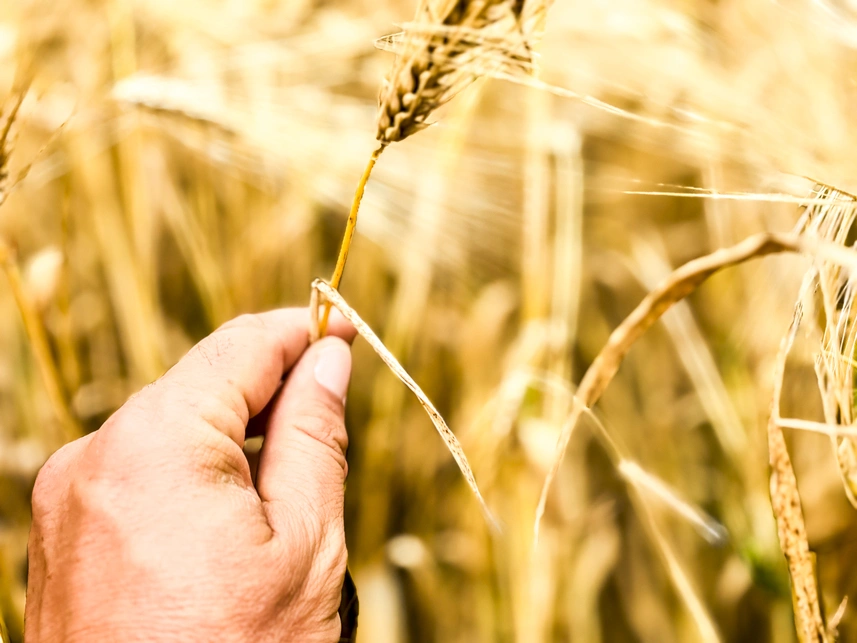


Introduction to Dairy Animal Feeding
Proper feeding is the backbone of successful dairy farming. Whether you are raising cows or buffaloes, the quality, quantity, and timing of feed directly affect milk production, animal health, fertility, and long-term profitability.
Dairy animals are high-producing livestock, and they need a balanced diet to maintain energy, support milk yield, and prevent diseases. Poor feeding practices are one of the main reasons for low milk output and reproductive issues.
Understanding Nutritional Requirements of Dairy Animals
Dairy animals require a balanced combination of energy, protein, fiber, vitamins, and minerals.
Energy is mainly provided through grains and fodder, while protein supports milk production and body maintenance. Fiber is essential for proper digestion and rumen health.
Vitamins and minerals such as calcium, phosphorus, and magnesium are important for bone strength, milk quality, and overall immunity.
Balanced Diet for High Milk Production
A well-balanced diet ensures consistent milk yield and better animal health. The ideal dairy ration includes green fodder, dry fodder, concentrates, and mineral supplements.
Green fodder provides natural nutrients and improves digestion. Dry fodder like hay and straw adds fiber to the diet.
Concentrates such as maize, wheat bran, and oil cakes supply energy and protein required for milk production.
Importance of Green Fodder
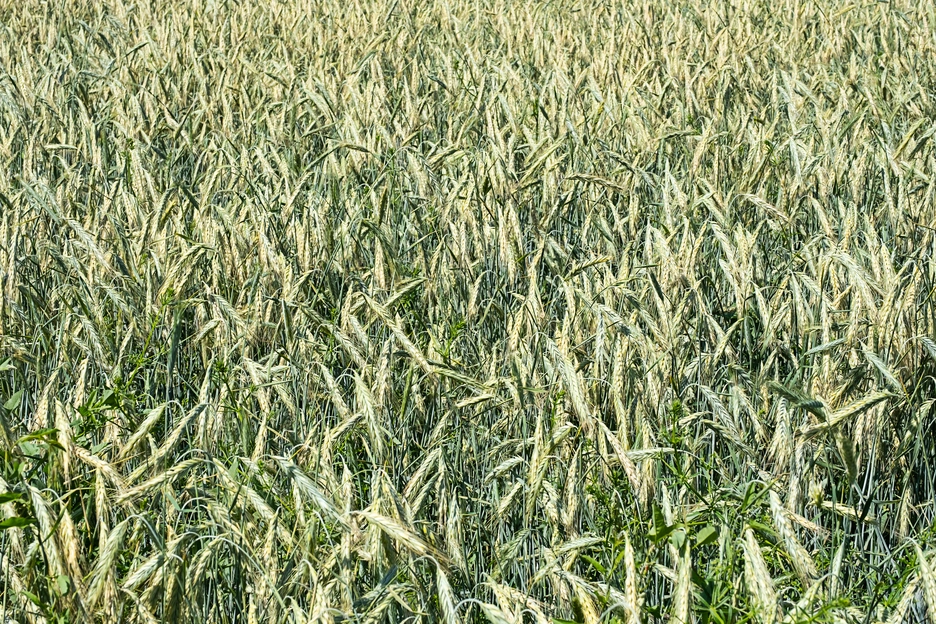
Green fodder is one of the most important components of dairy animal nutrition. It is rich in water content, vitamins, and essential nutrients.
Common green fodder includes berseem, maize, sorghum, alfalfa, and millet.
Fresh green fodder improves milk yield, enhances digestion, and keeps animals hydrated naturally.
Role of Dry Fodder in Feeding
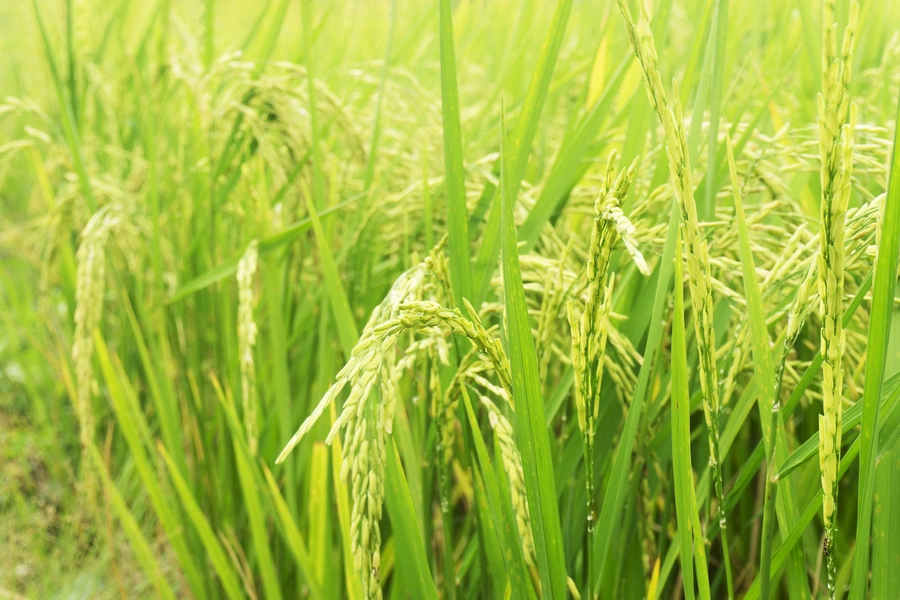
Dry fodder such as wheat straw, rice straw, and hay provides essential fiber for proper rumen function.
It helps in maintaining digestive balance and prevents disorders like acidosis.
Dry fodder should always be clean, dust-free, and stored properly to avoid mold and contamination.
Concentrate Feed for Milk Production
Concentrate feed is rich in energy and protein and plays a key role in boosting milk production.
It includes ingredients like maize, barley, wheat bran, cottonseed cake, and soybean meal.
The amount of concentrate feed should be adjusted according to the animal’s milk production level and body condition.
Mineral Mixture and Salt Supplementation
Minerals are essential for maintaining health, reproduction, and milk quality in dairy animals.
Calcium and phosphorus are especially important for strong bones and proper milk secretion.
Salt and mineral mixtures should be included in daily feed to prevent deficiencies and improve overall performance.
Clean and Fresh Water Availability
Water is often ignored but is one of the most important parts of dairy nutrition. Milk is composed of a large percentage of water, so hydration directly affects milk yield.
Dairy animals should always have access to clean, fresh water throughout the day.
In hot weather, water intake increases significantly, so proper availability is essential.
Feeding Schedule and Timing
Feeding at regular intervals improves digestion and milk production efficiency. Dairy animals should be fed at least two to three times a day.
Consistent timing helps maintain rumen stability and reduces stress in animals.
Overfeeding or irregular feeding can lead to digestive problems and reduced productivity.
Feeding Based on Milk Production Stage
Dairy animals have different nutritional needs depending on their production stage.
High-yielding animals require more concentrate feed, while dry animals need maintenance-level nutrition.
Pregnant animals need additional minerals and energy to support fetal growth and prepare for lactation.
Silage Feeding for Dairy Animals
Silage is fermented green fodder that is stored for use during feed shortages. It is highly nutritious and helps maintain milk production during dry seasons.
Common silage crops include maize, sorghum, and millet.
Properly prepared silage improves feed availability and reduces seasonal feeding costs.
Importance of Feed Quality
High-quality feed ensures better digestion, improved immunity, and higher milk yield. Poor-quality feed can cause diseases and reduce production efficiency.
Feed should be free from mold, dust, and harmful chemicals.
Proper storage of feed ingredients prevents spoilage and maintains nutritional value.
Common Feeding Mistakes
Many farmers make mistakes that negatively affect dairy productivity.
Common errors include over-reliance on one type of feed, ignoring mineral supplements, and irregular feeding schedules.
Using low-quality or contaminated feed can also lead to serious health problems.
Role of Probiotics in Dairy Feeding
Probiotics help improve gut health and digestion in dairy animals. They support beneficial bacteria in the rumen and improve feed conversion efficiency.
Probiotics can increase milk yield and reduce digestive disorders.
They are especially useful during stress conditions or dietary changes.
Feed Cost Management Strategies
Feed is the largest cost in dairy farming, so efficient management is essential for profitability.
Using locally available fodder, preparing silage, and reducing feed wastage can significantly lower costs.
Balanced feeding ensures maximum milk production without unnecessary expenses.
Seasonal Feeding Adjustments
Feed requirements change with seasons. In summer, animals need more water and green fodder to stay cool and hydrated.
In winter, energy-rich feed is important to maintain body temperature and production levels.
Adjusting feed according to seasonal needs improves overall performance.
Health Benefits of Proper Feeding
A well-fed dairy animal is healthier, more productive, and more resistant to diseases.
Proper nutrition improves fertility, reduces calving problems, and increases lifespan.
It also enhances milk quality in terms of fat content and nutritional value.
Conclusion
Best feed practices are essential for successful dairy farming. A balanced diet consisting of green fodder, dry fodder, concentrates, minerals, and clean water ensures high milk production and strong animal health.
Consistent feeding schedules, proper feed quality, and cost management strategies help farmers achieve long-term profitability and sustainable dairy production.