


Introduction to Citrus Fruit Farming
Citrus fruit farming is one of the most profitable and widely practiced fruit cultivation systems in warm climates. Fruits like oranges, kinnow, lemons, and grapefruit are in high demand locally and internationally due to their nutritional value and versatility. With proper management, citrus orchards can produce high yields for many years, making them a strong long-term investment for farmers.
However, achieving high yield in citrus farming requires more than just planting trees. Success depends on variety selection, soil health, irrigation discipline, pest control, and proper orchard management.
Choosing the Right Citrus Variety
Selecting the right variety is the foundation of profitable citrus farming. In Pakistan and similar climates, kinnow is the most popular variety due to its high yield and strong market demand. Other varieties include sweet orange, blood orange, lemon, and grapefruit.
For commercial farming, grafted plants are strongly recommended because they produce fruit earlier, maintain quality, and are more resistant to diseases compared to seed-grown plants.
Climate and Soil Requirements
Citrus trees thrive in warm subtropical climates with mild winters and long summers. Extreme frost can damage young trees, while excessive heat can affect flowering and fruit setting.
Well-drained sandy loam or loamy soil is ideal for citrus farming. The soil should have good organic matter content and a pH between 5.5 and 7.0. Waterlogging must be strictly avoided, as citrus roots are highly sensitive to excess moisture.
Land Preparation and Orchard Layout
Proper land preparation ensures healthy tree growth and long-term productivity. The land should be cleared of weeds, stones, and old roots before planting.
Deep plowing improves soil aeration and helps roots penetrate easily. Pits are usually dug in advance (about 2–3 feet deep and wide) and filled with a mixture of soil, compost, and organic manure.
Proper spacing is essential. Citrus trees generally require 20–25 feet spacing to allow sunlight penetration, airflow, and easy orchard management.
Planting Citrus Trees
The best time to plant citrus trees is during spring or early monsoon when weather conditions are moderate.
Healthy grafted saplings should be selected from certified nurseries. After planting, immediate irrigation is necessary to help roots establish in the soil.
Mulching around the base of young trees helps retain soil moisture and suppress weed growth during early development stages.
Irrigation Management for High Yield
Proper irrigation is critical for citrus productivity. Young trees require frequent watering, while mature trees need irrigation based on soil moisture conditions.
Overwatering should be avoided as it can lead to root rot and nutrient loss. During flowering and fruit development stages, consistent moisture is essential for better fruit size and quality.
Drip irrigation is highly recommended as it delivers water directly to the root zone, reduces wastage, and improves fertilizer efficiency.
Fertilizer and Nutrient Management
Citrus trees require balanced nutrition throughout the year. Organic manure like farmyard manure or compost should be applied regularly to improve soil structure and microbial activity.
Nitrogen supports vegetative growth, phosphorus enhances root development, and potassium improves fruit quality, taste, and disease resistance.
Fertilizers should be applied in split doses during different growth stages instead of a single application to improve absorption and reduce nutrient loss.
Pruning and Canopy Management
Pruning is essential for maintaining tree shape, improving sunlight penetration, and increasing airflow inside the canopy.
Dead, diseased, or overcrowded branches should be removed regularly. Proper canopy management ensures better fruit distribution and reduces pest and disease risks.
A well-maintained citrus tree produces higher yields and is easier to manage during harvesting.
Weed Control in Citrus Orchards
Weeds compete with citrus trees for nutrients, water, and sunlight, especially during early growth stages. Regular weeding is necessary to maintain orchard health.
Mulching with organic materials like dry grass or leaves helps suppress weed growth and retain soil moisture naturally.
Chemical weed control can be used carefully, but manual and organic methods are preferred for long-term soil health.
Pest and Disease Management
Citrus orchards are vulnerable to pests like citrus leaf miner, aphids, scale insects, and fruit flies. Diseases such as citrus canker, root rot, and greening disease can also impact yield.
Regular monitoring is essential for early detection. Integrated Pest Management (IPM) combines biological control, cultural practices, and safe pesticide use for effective control.
Neem oil sprays and maintaining orchard hygiene are simple but effective preventive measures.
Flowering and Fruit Development
Flowering is a sensitive stage in citrus farming. Proper irrigation, balanced nutrition, and pest control are crucial during this period.
Excessive flowering may require thinning to ensure better fruit size and quality. Stress-free conditions during flowering improve fruit set and reduce fruit drop.
Pollination is usually natural, but a healthy orchard environment increases fruiting efficiency.
Fruit Drop Management
Fruit drop is a common issue in citrus farming and can reduce overall yield significantly. It is often caused by nutrient imbalance, water stress, or pest attacks.
Proper irrigation scheduling, balanced fertilization, and pest control help reduce fruit drop. Micronutrients like zinc and boron also play an important role in improving fruit retention.
Harvesting Citrus Fruits
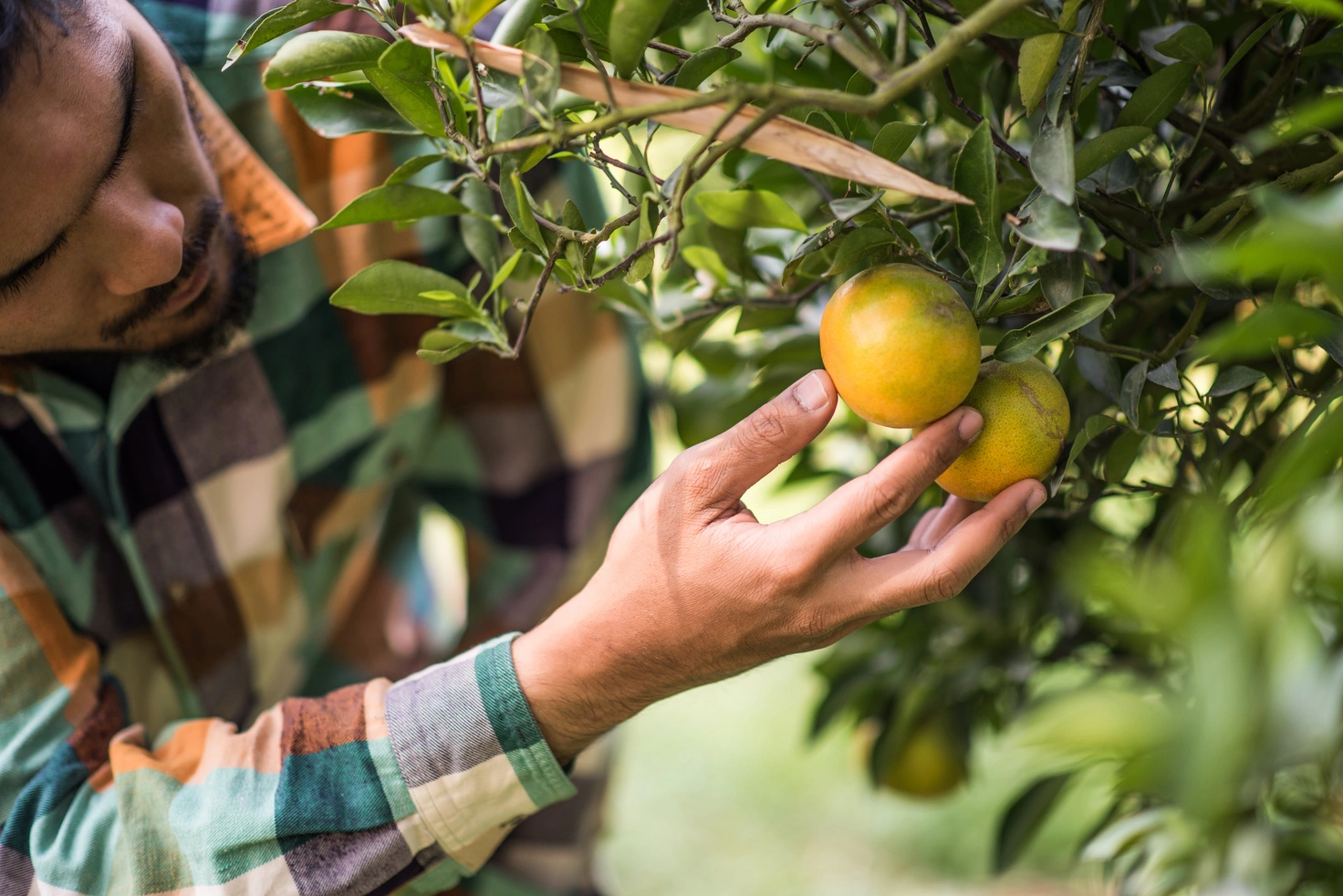
Citrus fruits should be harvested when they reach full size, proper color, and optimal sweetness. Harvesting too early affects taste, while delayed harvesting reduces shelf life.
Careful hand-picking or use of clippers is recommended to avoid damage to fruits and branches. Proper harvesting techniques improve market value and reduce post-harvest losses.
Post-Harvest Handling and Storage
After harvesting, fruits should be cleaned, sorted, and graded based on size and quality. This improves market pricing and export opportunities.
Proper packaging in ventilated crates helps reduce bruising during transport. Citrus fruits should be stored in cool and dry conditions to extend shelf life.
Cold storage facilities can help farmers manage supply and sell at better market prices.
Intercropping in Citrus Orchards
During the early years of orchard development, intercropping can provide additional income. Crops like legumes, vegetables, and pulses are commonly grown between rows of citrus trees.
However, intercropping should be managed carefully to avoid competition for nutrients and water as trees mature.
Common Mistakes to Avoid
Many farmers face losses due to poor orchard planning, improper spacing, and overwatering.
Ignoring pest control and delayed disease management can severely damage orchards. Another common mistake is overuse of nitrogen, which leads to excessive vegetative growth but poor fruiting.
Profit Potential of Citrus Farming
Citrus farming offers strong long-term profitability once trees reach full production. High demand in local and export markets ensures stable income for farmers.
With proper orchard management, citrus trees can remain productive for 20–30 years, making it a sustainable agricultural investment.
Conclusion
Citrus fruit farming is a highly rewarding business when managed with proper care and planning. From selecting quality saplings to maintaining irrigation, pruning, and pest control, every step contributes to orchard success.
Farmers who adopt modern practices and maintain consistent orchard care can achieve high yields, better fruit quality, and long-term profitability in citrus farming.