


Introduction to Apple and Banana Farming
Apple and banana are two of the most widely consumed fruits in the world, offering strong commercial value and consistent market demand. While apple farming is more suitable for cooler climates and high-altitude regions, banana cultivation thrives in warm tropical and subtropical areas. For farmers, both crops present excellent income opportunities if managed with proper techniques.
This guide explains practical, step-by-step methods for growing apples and bananas successfully with high yield and better profitability.
Apple Cultivation Overview
Apple farming is a long-term investment that requires patience but offers high returns once trees mature. It is mainly suitable for regions with cold winters and moderate summers.
Apple orchards can remain productive for decades, making them a sustainable fruit farming option for farmers with suitable climatic conditions.
Climate and Soil Requirements for Apple Farming
Apple trees require a temperate climate with sufficient winter chilling hours to break dormancy and promote flowering. Without proper chilling, fruit production is severely affected.
Well-drained loamy soil with good organic content is ideal for apple cultivation. The soil pH should ideally range between 6.0 and 7.0. Waterlogged conditions must be avoided as they can damage roots and reduce tree lifespan.
Choosing Apple Varieties
Selection of variety plays a key role in productivity and market success. Common varieties include Red Delicious, Golden Delicious, and Gala apples.
Farmers should choose varieties based on local climate conditions, market demand, and disease resistance. Grafted saplings are preferred because they produce fruit earlier and maintain consistent quality.
Planting and Orchard Establishment
Apple trees should be planted in well-prepared pits enriched with compost and organic manure. Proper spacing, usually 12–20 feet depending on variety, is important for sunlight and airflow.
Planting is typically done during the dormant season to reduce transplant shock. After planting, immediate irrigation helps establish strong root systems.
Apple Irrigation and Fertilizer Management
Young apple trees require regular watering, while mature trees need irrigation based on soil moisture and weather conditions.
Overwatering should be avoided, especially in heavy soils. Drip irrigation is highly effective for maintaining consistent moisture levels and improving fertilizer efficiency.
Balanced fertilization using nitrogen, phosphorus, and potassium ensures healthy growth, flowering, and fruit development. Organic manure should be applied regularly to maintain soil fertility.
Pruning and Tree Training in Apple Farming
Pruning is essential in apple orchards to maintain tree shape, improve sunlight penetration, and increase fruit quality.
Removing dead, diseased, and overcrowded branches encourages better air circulation and reduces disease risk. Proper training in early years helps establish strong tree structure for long-term productivity.
Pest and Disease Control in Apple Orchards
Apple trees are prone to pests like aphids, codling moth, and mites, as well as diseases such as apple scab and powdery mildew.
Regular monitoring and integrated pest management (IPM) practices are essential. Biological control methods and safe pesticide use help maintain orchard health without harming soil quality.
Apple Harvesting and Storage
Apples should be harvested when they reach full color and proper firmness. Harvesting too early reduces sweetness, while delayed harvesting affects shelf life.
Careful hand picking helps avoid bruising. Apples can be stored in cold storage facilities for extended periods, allowing farmers to sell when market prices are higher.
Banana Cultivation Overview
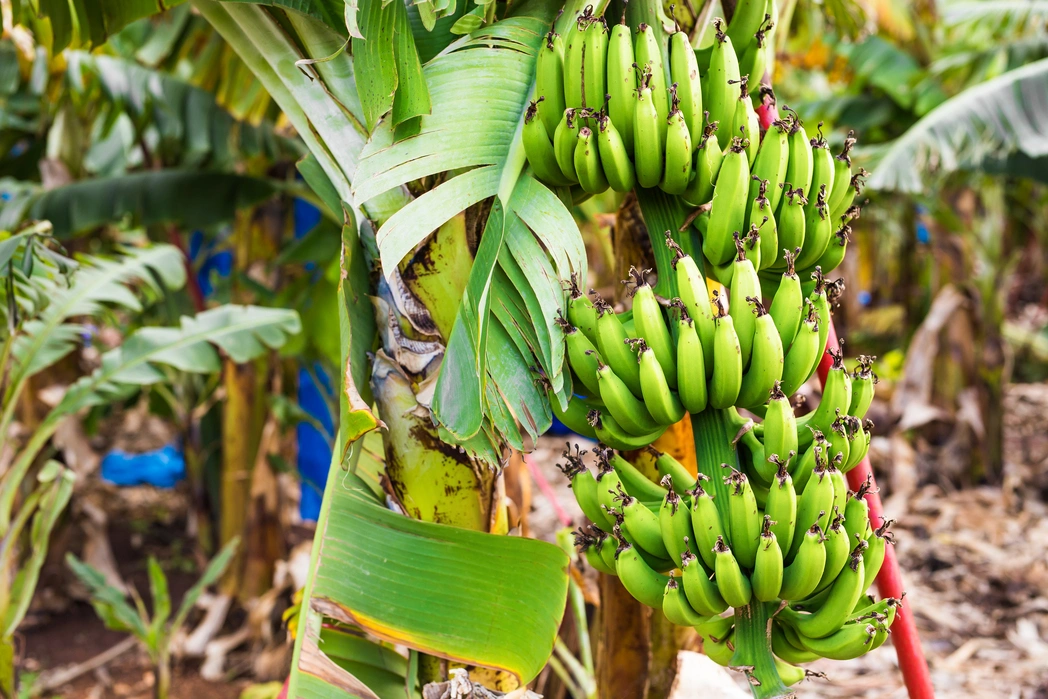
Banana farming is one of the fastest-growing fruit businesses due to its short production cycle and high market demand. Unlike apples, bananas thrive in warm, humid climates and can produce fruit within a year.
It is an excellent option for farmers looking for quick returns and continuous income.
Climate and Soil Requirements for Banana Farming
Bananas grow best in tropical and subtropical climates with high humidity and consistent rainfall or irrigation. They are sensitive to frost and strong winds.
Deep, fertile, and well-drained soil rich in organic matter is ideal. The pH range of 5.5 to 7.0 is suitable for healthy banana growth.
Choosing Banana Varieties
Popular banana varieties include Cavendish, Basrai, and William Hybrid. Cavendish bananas are widely cultivated due to their export quality and uniform fruit size.
Farmers should select varieties based on market demand, climate conditions, and disease resistance.
Planting Banana Suckers
Bananas are propagated using suckers instead of seeds. Healthy and disease-free suckers should be selected for planting.
Proper spacing, usually 8–10 feet between plants, is important for airflow and nutrient availability. Planting is often done at the start of the rainy season for better establishment.
Irrigation and Water Management in Bananas
Bananas require frequent and consistent watering due to their large leaf surface and rapid growth. Water stress can significantly reduce yield and fruit quality.
Drip irrigation is highly recommended as it ensures efficient water use and reduces disease risks caused by excess moisture on leaves.
Fertilizer Management in Banana Farming
Banana plants are heavy feeders and require regular nutrient supply. Organic manure combined with nitrogen, phosphorus, and potassium supports healthy growth.
Split application of fertilizers is recommended to ensure steady nutrient availability throughout the growth cycle.
Micronutrients like magnesium and zinc also play an important role in improving fruit quality and yield.
Weed and Pest Control in Banana Fields
Weed control is essential during early growth stages as weeds compete for nutrients and water. Mulching is an effective method to suppress weeds and retain soil moisture.
Common banana pests include banana weevil and aphids. Diseases like Panama disease and leaf spot can also affect yield if not managed properly.
Regular monitoring and preventive care are key to maintaining a healthy plantation.
Banana Flowering and Fruit Development
Banana plants typically flower within 9–12 months of planting. Proper nutrition and irrigation during this stage are critical for high-quality fruit production.
Removing excess suckers helps the plant focus energy on fruit development, improving bunch size and quality.
Harvesting Bananas
Bananas are harvested when fruits are fully developed but still green for transport purposes. Ripening is usually done after harvesting under controlled conditions.
Careful cutting of banana bunches is necessary to avoid damage. Proper handling improves market value and reduces post-harvest losses.
Common Mistakes in Apple and Banana Farming
In apple farming, poor pruning, incorrect variety selection, and improper chilling management are common mistakes. In banana farming, overwatering and poor sucker selection often reduce productivity.
Ignoring pest control and nutrient management can significantly affect both crops’ yield and profitability.
Profit Potential of Apple and Banana Farming
Apple farming offers long-term profitability once orchards mature, while banana farming provides quick returns within a year. Both crops have strong local and export demand.
Farmers can maximize income by selecting the right varieties, following proper orchard management practices, and targeting off-season markets where prices are higher.
Conclusion
Apple and banana cultivation offer excellent opportunities for farmers depending on their region and climate. Apple farming requires patience and long-term planning, while banana farming provides faster returns and continuous income.
With proper soil management, irrigation control, pest management, and modern farming techniques, farmers can achieve high yield and sustainable profitability from both crops.