


Introduction to Crop Market Trends in Pakistan
Understanding crop market trends is essential for farmers, traders, and agribusiness investors in Pakistan. Prices of agricultural commodities change frequently due to supply, demand, weather conditions, and export activity.
By studying these trends, farmers can make better decisions about what to grow, when to sell, and how to maximize profit.
Why Market Trends Matter in Agriculture
Agricultural markets in Pakistan are highly dynamic. A small change in production or demand can significantly impact prices.
Farmers who understand market trends can avoid selling at low prices and plan their crops more effectively.
It also helps reduce financial risk and improve long-term income stability.
Main Factors Affecting Crop Prices
Several key factors influence crop prices in Pakistan’s agricultural markets.
- Seasonal supply and demand
- Weather conditions and climate changes
- Export demand and international prices
- Government policies and import/export restrictions
- Transportation and storage costs
These factors often work together to determine daily and seasonal price fluctuations.
Seasonal Price Fluctuations
Prices of crops in Pakistan usually follow seasonal patterns. During harvest season, supply increases and prices drop.
After the harvest period, supply decreases and prices gradually rise.
Farmers who store crops properly can benefit from higher off-season prices.
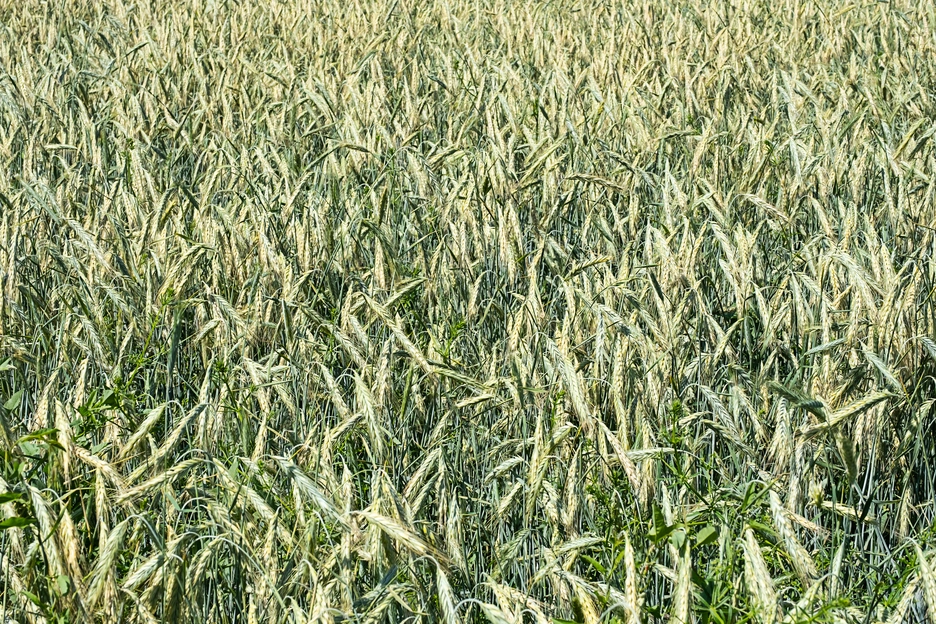
Wheat Market Trends
Wheat is one of Pakistan’s most important staple crops. Its price is often influenced by government procurement policies and annual production levels.
When production is high, prices remain stable or slightly lower. In shortage years, prices increase significantly.
Government support prices also play a major role in stabilizing wheat markets.
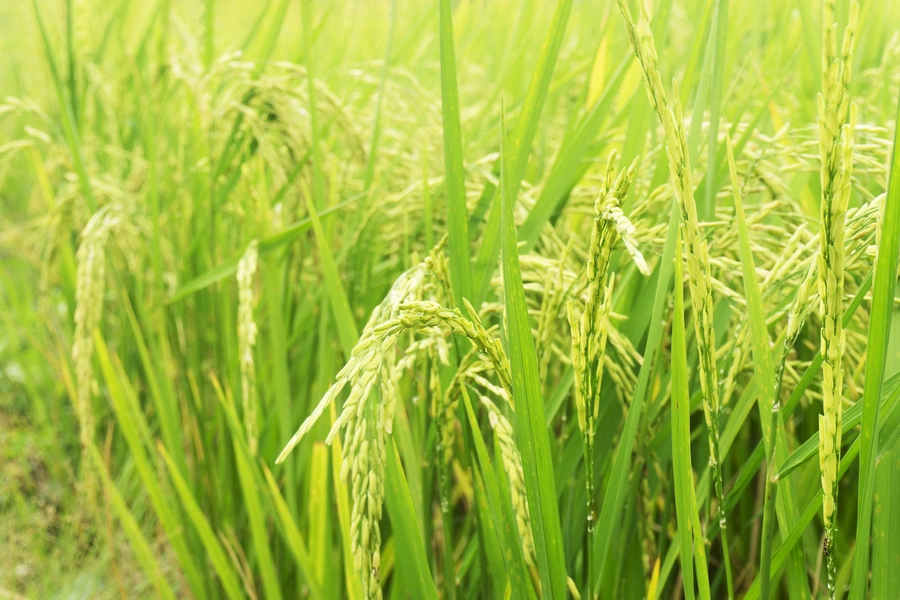
Rice Market Trends
Rice, especially Basmati varieties, has strong export demand. International market prices heavily influence local rates.
When export demand increases, farmers receive better prices for high-quality rice.
Quality, grading, and branding are important factors in rice profitability.
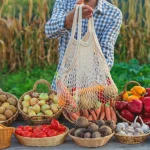
Vegetable Market Trends
Vegetable prices fluctuate frequently due to short shelf life and daily supply variations.
Prices are usually lower during peak production seasons and higher during shortages or off-season periods.
Efficient supply chain management is essential for vegetable farmers.
Fruit Market Trends
Fruits like mangoes, citrus, and bananas follow seasonal demand cycles.
Export markets and domestic festivals can significantly increase prices.
Proper timing of harvest and storage helps farmers capture better market value.
Impact of Weather on Markets
Weather conditions strongly affect crop production and market prices in Pakistan.
Droughts, floods, or extreme temperatures can reduce supply and increase prices.
Farmers who monitor weather patterns can better predict market changes.
Role of Export Demand
Export markets play a major role in determining crop prices, especially for rice, fruits, and vegetables.
When international demand increases, local prices often rise due to higher competition for supply.
Trade agreements and global market conditions also affect export opportunities.
Government Policies and Price Control
The government of Pakistan influences agricultural markets through support prices, import/export regulations, and subsidies.
These policies help stabilize prices and protect farmers during low-demand periods.
However, sudden policy changes can also create short-term market fluctuations.
Role of Middlemen in Market Trends
Middlemen play an important role in connecting farmers with markets, but they also influence pricing.
Sometimes farmers receive lower prices due to multiple layers of intermediaries.
Direct market access can help improve profit margins.
Use of Market Information Systems
Modern technology has made it easier to track crop prices in real time.
Mobile apps, SMS services, and online platforms provide daily market updates.
This information helps farmers make timely selling decisions.
Storage and Price Advantage
Proper storage allows farmers to hold crops until market prices improve.
Silos, cold storage, and warehouses reduce post-harvest losses and increase selling flexibility.
This strategy is especially useful for grains and perishable commodities.
Regional Market Differences
Crop prices vary across different regions in Pakistan due to transportation costs and local demand.
Urban markets usually offer higher prices compared to rural areas.
Understanding regional differences helps farmers choose better selling locations.
Future Market Opportunities
The future of agriculture markets in Pakistan is moving toward export growth, organic farming, and value-added products.
Demand for high-quality and processed agricultural goods is increasing globally.
Farmers who adapt to these trends can achieve higher profitability.
Conclusion
Understanding crop market trends in Pakistan is essential for successful farming and agribusiness. Prices are influenced by seasonal changes, weather, exports, and government policies.
Farmers who stay informed, use market data, and plan strategically can increase profits and reduce financial risks in agriculture.