



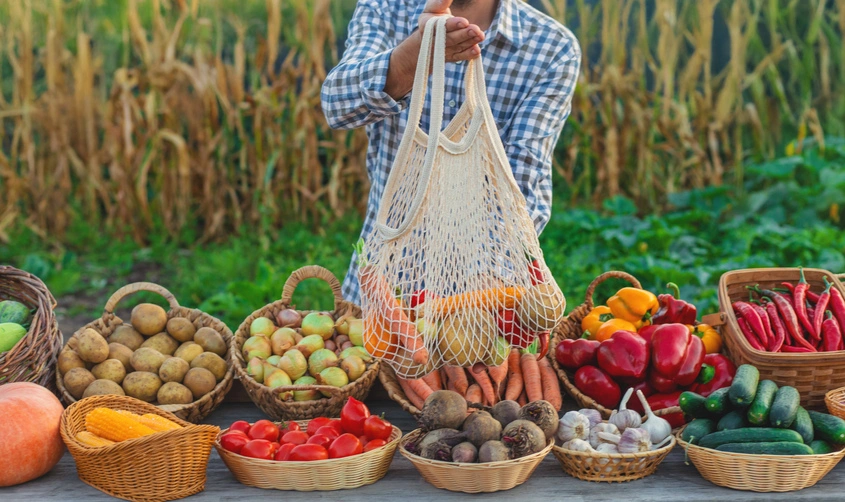
Introduction to Selling Crops at the Best Market Price
Selling crops at the right price is just as important as growing them. Even with high yield, farmers can lose profit if they sell at the wrong time or in the wrong market.
To get the best price, farmers need proper planning, market awareness, and smart selling strategies.
Understand Market Demand and Supply
Crop prices depend heavily on demand and supply. When supply is high during harvest season, prices usually drop.
When supply decreases after harvest, prices tend to increase.
Farmers who understand this cycle can choose better selling times.
Sell at the Right Time
Timing is one of the most important factors in getting a good price.
Selling immediately after harvest often results in lower prices due to market saturation.
Holding crops in proper storage and selling during off-season can increase profit significantly.
Use Proper Storage Facilities
Good storage allows farmers to wait for better market prices without losing crop quality.
Silos, cold storage, and dry warehouses help preserve grains, fruits, and vegetables.
This reduces post-harvest losses and improves bargaining power.
Compare Different Markets
Prices vary between local, regional, and wholesale markets.
Urban markets often offer higher prices compared to rural markets.
Farmers should compare multiple markets before selling their produce.
Sell Directly to Buyers When Possible
Middlemen often reduce farmer profits by taking a share of the price.
Selling directly to wholesalers, retailers, or exporters increases profit margins.
Direct selling also gives better control over pricing.
Use Online Market Platforms
Digital platforms help farmers connect with buyers directly.
Online agricultural marketplaces and mobile apps provide real-time price updates and demand information.
This reduces dependency on intermediaries.
Monitor Daily Market Prices
Keeping track of daily price changes helps farmers decide the best selling day.
Price information can be obtained from local markets, mobile SMS services, and online portals.
Awareness of price trends improves decision-making.
Focus on Quality Production
High-quality crops always get better prices in the market.
Using certified seeds, proper fertilizers, and good farming practices improves product quality.
Clean, graded, and sorted produce attracts better buyers.
Improve Packaging and Presentation
Proper packaging increases product value and market demand.
Clean, attractive, and well-graded packaging helps farmers get premium prices.
Export-quality packaging is especially important for international buyers.
Sell During High-Demand Seasons
Certain crops have peak demand during festivals, holidays, or export seasons.
Selling during these times can significantly increase profits.
For example, fruits and vegetables often get higher prices during festive periods.
Reduce Dependence on Middlemen
Middlemen play an important role but often reduce farmer earnings.
Direct access to wholesalers, processors, or exporters helps increase profit margins.
Farmer cooperatives can also improve bargaining power.
Use Cold Chain for Perishable Crops
Fruits and vegetables lose value quickly without proper storage and transport.
Cold chain systems help maintain freshness and allow farmers to wait for better prices.
This is especially useful for export-quality produce.
Understand Export Opportunities
International markets often offer higher prices for quality agricultural products.
Crops like rice, mangoes, citrus, and spices have strong export demand.
Meeting export standards can significantly increase profit margins.
Improve Negotiation Skills
Good negotiation helps farmers get better prices from buyers.
Understanding market rates and quality standards strengthens bargaining power.
Confident negotiation can directly improve income.
Group Selling for Better Prices
Farmers can form groups or cooperatives to sell in bulk.
Bulk selling often attracts better prices from wholesalers and exporters.
It also reduces transportation and marketing costs.
Conclusion
Selling crops at the best market price requires a combination of timing, quality production, market awareness, and smart selling strategies.
By using proper storage, monitoring prices, reducing middlemen, and exploring direct and export markets, farmers can significantly increase their profits.
Smart planning and informed decisions are key to successful agricultural marketing.