


Introduction to Pesticide Overuse in Farming
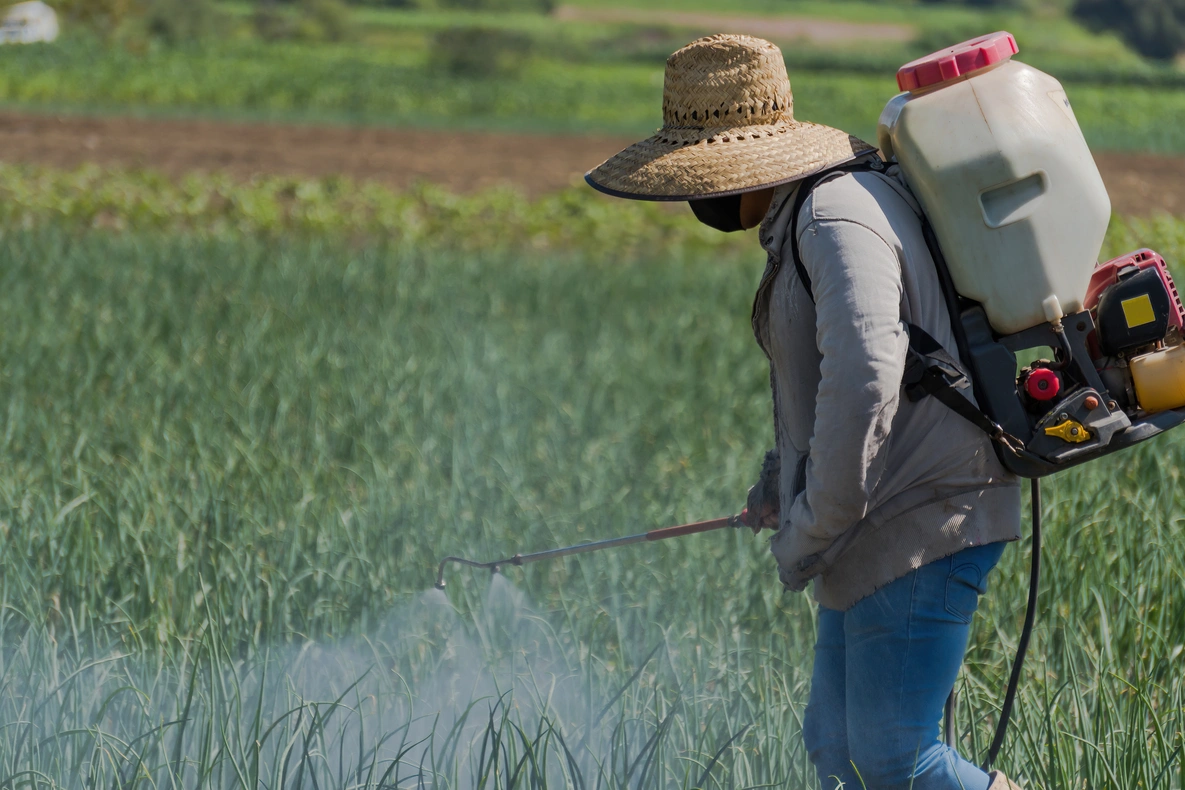
Pesticides are widely used in agriculture to control pests and protect crops, but excessive use can create serious problems. Overuse leads to soil degradation, pest resistance, environmental pollution, and unsafe food production.
Learning how to reduce pesticide use is essential for sustainable and profitable farming.
Why Overuse of Pesticides is Harmful
Continuous use of chemical pesticides kills beneficial insects such as bees and earthworms that are important for soil health and pollination.
It also causes pests to develop resistance, making them harder to control over time.
In addition, pesticide residues can remain on crops and affect human health.
Use Integrated Pest Management (IPM)
Integrated Pest Management combines multiple pest control methods instead of relying only on chemicals.
It includes biological control, cultural practices, and limited chemical use only when necessary.
This approach reduces pesticide dependence while maintaining crop protection.
Regular Field Monitoring
Frequent inspection of crops helps detect pest problems early.
Farmers should check fields for signs of infestation before applying pesticides.
Early detection often allows control without chemical intervention.
Use Natural Pest Control Methods
Natural solutions like neem oil, garlic spray, and chili extract can effectively control many pests.
Biological control using beneficial insects like ladybugs also reduces pest populations.
These methods are safe and environmentally friendly.
Apply Pesticides Only When Needed
Pesticides should not be used on a fixed schedule. They should only be applied when pest levels reach harmful thresholds.
This prevents unnecessary chemical use and reduces costs.
Proper decision-making is key to reducing overuse.
Use Resistant Crop Varieties
Planting pest-resistant crop varieties reduces the need for chemical treatments.
These varieties are specially developed to withstand common pests and diseases.
This is a long-term solution for reducing pesticide use.
Practice Crop Rotation
Crop rotation helps break pest life cycles and reduces pest buildup in soil.
Changing crops each season makes it harder for pests to survive and spread.
This reduces the need for repeated pesticide applications.
Maintain Field Hygiene
Clean farming practices help prevent pest infestation.
Removing weeds, crop residues, and infected plants reduces pest breeding areas.
A clean field naturally lowers pest pressure.
Use Pest Traps
Sticky traps, pheromone traps, and light traps can help monitor and control insect populations.
These tools reduce pest numbers without chemical use.
They also help farmers decide when intervention is needed.
Encourage Beneficial Insects
Beneficial insects like spiders, ladybugs, and parasitic wasps naturally control harmful pests.
Avoiding broad-spectrum pesticides helps protect these helpful organisms.
This creates a balanced ecosystem in the field.
Improve Soil Health
Healthy soil produces strong plants that are naturally more resistant to pests and diseases.
Using compost and organic fertilizers improves soil fertility and plant immunity.
Strong plants require fewer pesticide applications.
Proper Fertilizer Management
Excess nitrogen fertilizer can make plants more attractive to pests.
Balanced fertilization ensures healthy growth without increasing pest attacks.
Soil testing helps determine correct nutrient levels.
Use Mechanical Pest Control
Some pests can be controlled using simple physical methods like handpicking or removing infected parts.
Netting and barriers can also protect crops from insect attacks.
These methods reduce the need for chemical sprays.
Avoid Preventive Over-Spraying
Many farmers spray pesticides before pests appear, which leads to unnecessary chemical use.
Pesticides should only be applied based on actual pest presence and damage levels.
This reduces costs and environmental harm.
Proper Training and Awareness
Educating farmers about safe pesticide use is essential for reducing overuse.
Understanding correct dosage, timing, and alternatives helps improve decision-making.
Aware farmers are more likely to adopt sustainable practices.
Conclusion
Avoiding pesticide overuse is essential for healthy crops, safe food production, and sustainable agriculture. By adopting methods like integrated pest management, natural controls, crop rotation, and soil improvement, farmers can significantly reduce chemical dependency.
Smart farming practices not only protect the environment but also improve long-term farm productivity and profitability.