


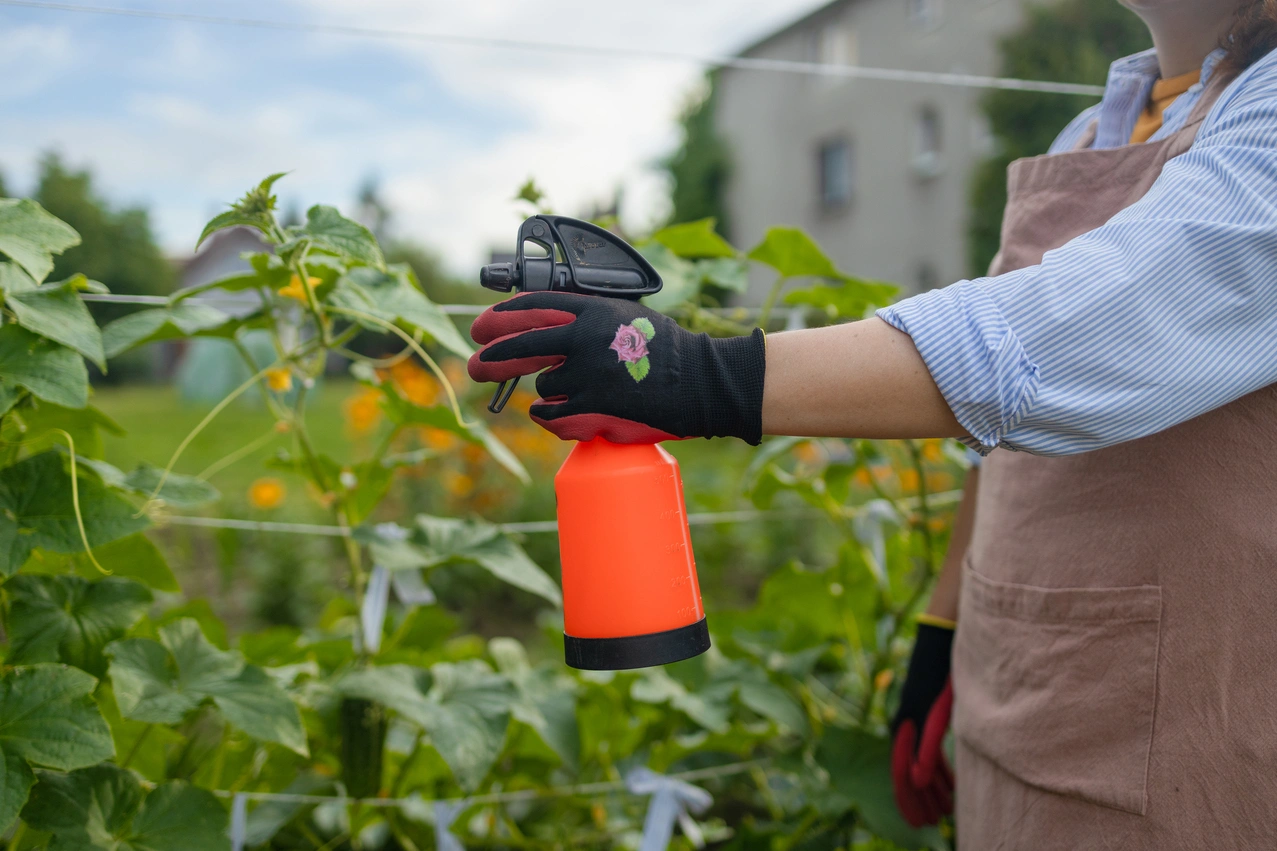
Introduction to Chemical-Free Pest Control
Managing pests without chemicals is becoming essential for sustainable farming. Chemical pesticides may give quick results, but over time they damage soil health, reduce beneficial insects, and create resistance in pests.
Chemical-free pest control focuses on natural, eco-friendly methods that protect crops while maintaining soil fertility and environmental balance.
Why Avoid Chemical Pesticides
Excessive use of chemical pesticides can lead to pest resistance, meaning pests become harder to control over time.
They can also harm beneficial insects like bees and earthworms that are important for crop production.
Long-term use may affect soil health and even leave harmful residues on food crops.
Neem-Based Pest Control
Neem is one of the most powerful natural pest control solutions. Neem oil and neem extracts disrupt pest growth and feeding patterns.
It is effective against aphids, whiteflies, caterpillars, and many other common agricultural pests.
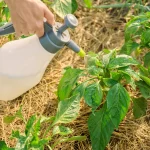
Neem-based sprays are safe for crops, humans, and beneficial insects.
Garlic and Chili Spray
A homemade mixture of garlic, chili, and water can act as a strong natural pesticide.
It works by repelling insects due to its strong smell and irritating properties.
This solution is easy to prepare and highly effective for small-scale farming and vegetable gardens.
Use of Biological Pest Control
Biological control involves using natural predators to control pest populations.
Ladybugs, spiders, and parasitic wasps help reduce harmful insect populations naturally.
This method maintains ecological balance in farming systems.
Companion Planting Technique
Companion planting involves growing certain plants together to repel pests naturally.
For example, marigold helps protect vegetables from nematodes and insects.
Basil planted near tomatoes can reduce pest attacks and improve plant health.
Crop Rotation Method
Crop rotation helps break pest life cycles by changing crops in a planned sequence.
This reduces the buildup of pests that target specific crops year after year.
It also improves soil health and nutrient balance.
Use of Neem Cake in Soil
Neem cake is a natural byproduct of neem seed oil extraction and is used as a soil amendment.
It protects roots from soil-borne pests and nematodes.
It also improves soil fertility and organic matter content.
Traps for Pest Control
Different types of traps can be used to control insect populations without chemicals.
Sticky traps, pheromone traps, and light traps attract and capture pests effectively.
These traps help monitor and reduce pest infestation levels.
Use of Diatomaceous Earth
Diatomaceous earth is a natural powder made from fossilized algae.
It damages the outer layer of insects, leading to dehydration and death.
It is safe for plants but effective against crawling insects.
Healthy Soil for Pest Resistance
Healthy soil produces stronger plants that are naturally more resistant to pests.
Adding compost and organic matter improves soil biology and plant immunity.
Strong plants are less likely to suffer severe pest attacks.
Proper Field Hygiene
Keeping fields clean helps reduce pest breeding areas.
Removing weeds, crop residues, and infected plants prevents pest buildup.
Good sanitation is a simple but powerful pest control method.
Use of Natural Oils
Natural oils like neem oil, mustard oil, and eucalyptus oil can be used as insect repellents.
They are safe and biodegradable alternatives to chemical pesticides.
These oils disrupt pest feeding and reproduction cycles.
Biopesticides
Biopesticides are derived from natural organisms such as bacteria, fungi, and viruses.
They specifically target harmful pests without damaging beneficial insects.
They are widely used in organic and sustainable farming systems.
Regular Monitoring of Crops
Early detection of pest problems helps prevent large-scale crop damage.
Farmers should inspect fields regularly for signs of infestation.
Timely action ensures effective pest control without chemicals.
Intercropping System
Intercropping involves growing multiple crops together to confuse and reduce pest attacks.
This method reduces the chances of pests spreading quickly across fields.
It also improves land utilization and crop diversity.
Conclusion
Chemical-free pest control techniques provide a safe, sustainable, and effective way to protect crops. Methods like neem sprays, biological control, crop rotation, and companion planting help reduce pest problems naturally.
By adopting these practices, farmers can improve crop health, protect the environment, and achieve long-term agricultural sustainability.