



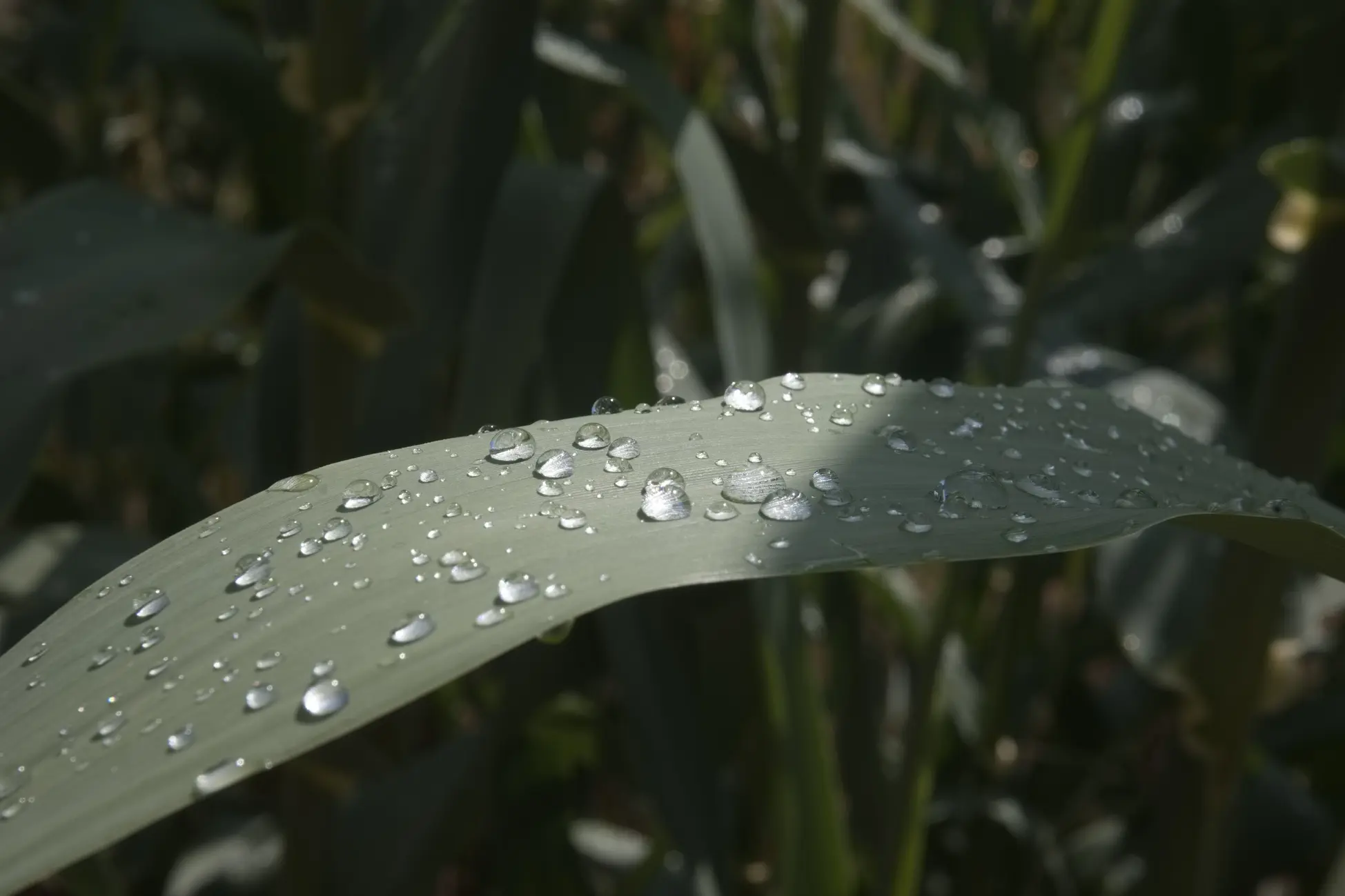
Introduction to Rainwater in Agriculture
Rainwater is one of the most natural and cost-free sources of irrigation for farming. It plays a vital role in crop production by replenishing soil moisture, supporting plant growth, and reducing dependence on groundwater and artificial irrigation systems.
When properly managed and conserved, rainwater can significantly improve agricultural productivity and sustainability.
Natural Source of Irrigation
Rainwater provides a direct and natural supply of water to crops without requiring pumping or external energy.
It helps reduce irrigation costs and supports farming in areas where other water sources are limited.
This makes it an essential resource for rain-fed agriculture systems.
Improves Soil Moisture Levels
Rainwater increases soil moisture content, which is essential for seed germination and plant growth.
Proper moisture levels ensure that roots can absorb nutrients effectively from the soil.
This leads to healthier and more productive crops.
Enhances Soil Fertility
Rainwater helps dissolve nutrients in the soil, making them more available to plants.
It also supports the decomposition of organic matter, which improves soil fertility over time.
This natural process enhances long-term soil productivity.
Reduces Dependence on Groundwater
Excessive use of groundwater for irrigation leads to depletion of underground water reserves.
Rainwater reduces the need for pumping groundwater, helping conserve this valuable resource.
This is especially important in regions facing water scarcity.
Cost-Effective Water Source
Rainwater is freely available and does not require any pumping, electricity, or fuel costs.
Farmers can significantly reduce irrigation expenses by utilizing rainfall effectively.
This improves overall farm profitability.
Supports Sustainable Farming
Using rainwater in agriculture promotes environmentally friendly and sustainable farming practices.
It reduces pressure on rivers, canals, and groundwater systems.
This helps maintain ecological balance in agricultural regions.
Improves Crop Yield
Timely rainfall during critical crop stages enhances plant growth and increases yield potential.
Crops receive natural hydration, which supports better development of roots, leaves, and fruits.
This leads to improved productivity and crop quality.
Enhances Nutrient Availability
Rainwater helps dissolve nutrients present in the soil, making them easier for plants to absorb.
This improves nutrient uptake efficiency and reduces the need for excessive fertilizers.
As a result, crop health and growth improve naturally.
Reduces Soil Salinity
In many agricultural areas, soil salinity is a major problem that affects crop growth.
Rainwater helps wash away excess salts from the soil surface, improving soil quality.
This creates better conditions for plant development.
Improves Soil Structure
Rainwater helps maintain proper soil structure by keeping it moist and active.
It supports microbial activity, which improves soil aeration and nutrient cycling.
This leads to healthier and more fertile soil over time.
Supports Rain-Fed Agriculture
Many farmers rely entirely on rainfall for crop production in rain-fed regions.
Proper use and storage of rainwater can improve farming reliability in these areas.
It helps stabilize crop production even without irrigation systems.
Reduces Irrigation Pressure
When rainwater is effectively utilized, it reduces the need for frequent artificial irrigation.
This decreases pressure on water pumps, canals, and irrigation systems.
It also helps conserve energy and resources.
Helps in Groundwater Recharge
Rainwater that infiltrates the soil contributes to groundwater recharge.
This helps maintain underground water levels for future agricultural use.
Rainwater harvesting systems further enhance this natural process.
Prevents Waterlogging and Runoff
Proper management of rainwater reduces excessive runoff and waterlogging in fields.
Controlled absorption allows water to enter the soil gradually.
This protects crops from root damage and soil erosion.
Reduces Fertilizer Loss
Unlike heavy irrigation, rainwater is generally gentle and evenly distributed.
This reduces the chances of fertilizer washout from the soil.
As a result, nutrients remain available for longer periods.
Supports Organic Farming
Rainwater is naturally clean and free from chemical additives, making it ideal for organic farming systems.
It supports natural crop growth without disrupting soil biology.
This improves the quality of organic produce.
Conclusion
Rainwater plays a crucial role in crop production by providing natural irrigation, improving soil fertility, and reducing farming costs. It supports sustainable agriculture and helps conserve valuable water resources.
By effectively capturing and utilizing rainwater, farmers can enhance crop yield, protect the environment, and ensure long-term agricultural success.