



Introduction to Organic Pest Control
Organic pest control is a sustainable farming approach that manages insects and diseases without synthetic chemicals. It focuses on natural methods that protect crops while maintaining soil health and ecological balance.
This system is widely used in modern organic farming because it produces safer food, reduces environmental damage, and supports long-term farm productivity.
Why Organic Pest Control Matters
Conventional chemical pesticides can lead to pest resistance, soil degradation, and loss of beneficial insects. Over time, this reduces farm productivity instead of improving it.
Organic pest control avoids these issues by using natural solutions that work with nature instead of against it.
It also ensures healthier crops and safer food for consumers.
Neem-Based Pest Management
Neem is one of the most effective natural pest control agents. It contains compounds that disrupt insect feeding, growth, and reproduction.
Neem oil and neem leaf extracts are widely used to control aphids, whiteflies, and caterpillars.
It is safe for crops and does not harm beneficial insects when used correctly.
Biological Pest Control Methods
Biological control uses natural predators to manage pest populations.
Insects like ladybugs, lacewings, and parasitic wasps help reduce harmful pest numbers naturally.
This method maintains ecological balance and reduces the need for external inputs.
Companion Planting Strategy
Companion planting involves growing different crops together to repel pests and improve plant health.
For example, marigold helps control nematodes, while basil protects tomatoes from insects.
This technique improves biodiversity and reduces pest attacks naturally.
Crop Rotation System
Crop rotation breaks pest life cycles by changing crops in a planned sequence each season.
This prevents pests from building up in the soil and attacking the same crop repeatedly.
It also improves soil fertility and nutrient balance.
Use of Organic Sprays
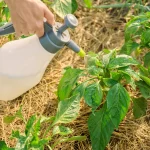
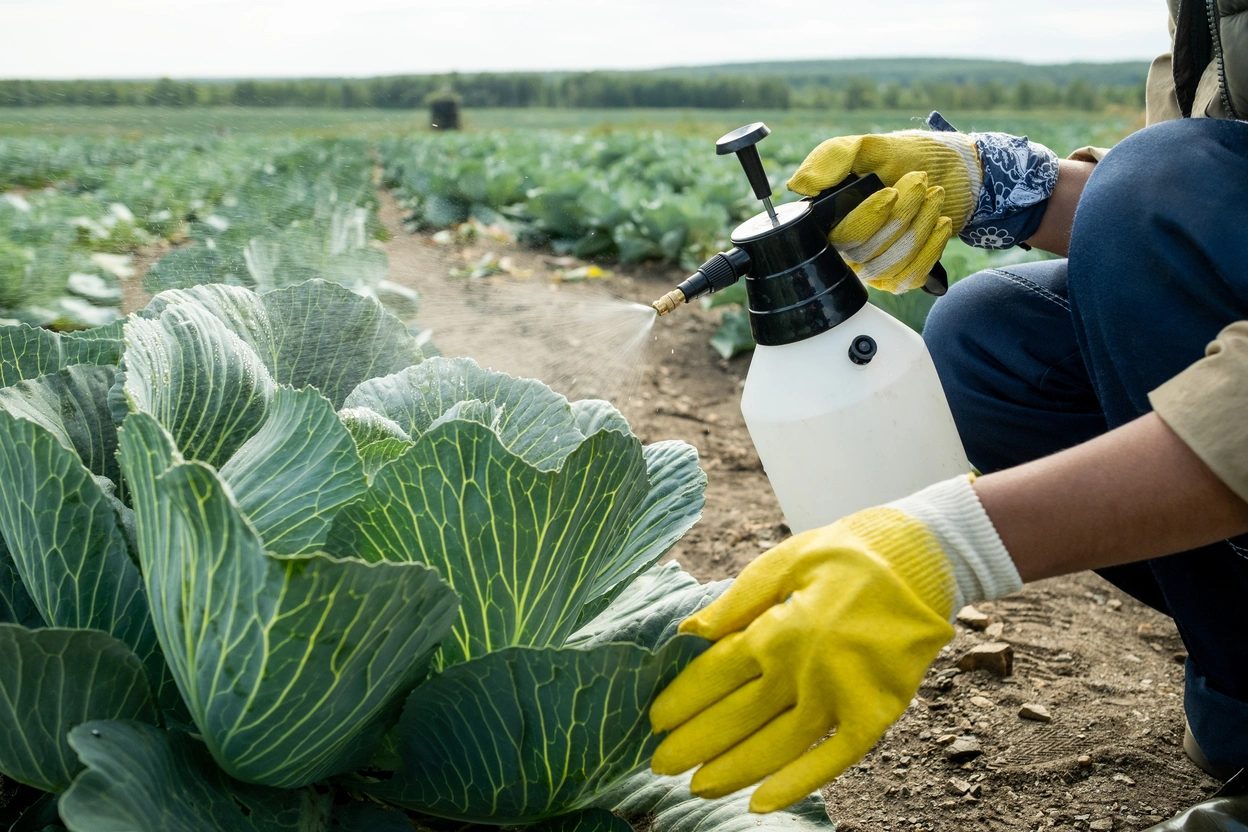
Organic sprays made from garlic, chili, neem, and onion act as natural insect repellents.
These sprays are easy to prepare and highly effective against common pests.
They provide a safe alternative to chemical pesticides.
Soil Health Improvement
Healthy soil produces strong plants that are naturally resistant to pests and diseases.
Adding compost, manure, and organic matter improves soil microbial activity.
This strengthens plant immunity and reduces pest damage.
Use of Traps for Pest Control
Different types of traps can be used to control pest populations without chemicals.
Sticky traps, pheromone traps, and light traps help attract and capture harmful insects.
They are useful for monitoring and reducing infestation levels.
Neem Cake Application
Neem cake is a natural byproduct of neem seed oil extraction and is used in soil treatment.
It protects plant roots from soil-borne pests and nematodes.
It also improves soil fertility and organic content.
Intercropping for Pest Reduction
Intercropping involves growing multiple crops in the same field to confuse pests and reduce their spread.
This method makes it harder for pests to locate their host plants.
It also increases land productivity and crop diversity.
Field Hygiene and Clean Farming
Keeping fields clean is an important part of organic pest control.
Removing weeds, infected plants, and crop residues reduces pest breeding areas.
Good hygiene helps prevent pest outbreaks.
Use of Botanical Extracts
Plant-based extracts like neem, garlic, and chili act as natural insect repellents.
They interfere with pest feeding and reproduction cycles.
These solutions are safe and biodegradable.
Regular Crop Monitoring
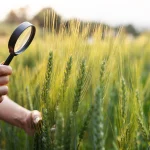
Frequent inspection of crops helps detect pest problems early.
Early action prevents small infestations from becoming serious outbreaks.
This reduces crop loss and improves control efficiency.
Advantages of Organic Pest Control
Organic pest control improves soil health, reduces chemical exposure, and supports sustainable farming practices.
It produces healthier crops that are safe for human consumption.
It also protects beneficial insects and maintains environmental balance.
Limitations of Organic Methods
Organic pest control may require more time and repeated application compared to chemical pesticides.
Severe infestations may need multiple combined methods for effective control.
However, long-term benefits outweigh these limitations.
Conclusion
Organic pest control is a safe and sustainable approach to managing crop pests. By using natural methods like neem, biological control, crop rotation, and companion planting, farmers can protect their crops without harming the environment.
This approach ensures healthier crops, improved soil fertility, and long-term agricultural sustainability.