



Introduction to Common Crop Diseases
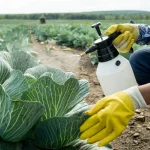
Crop diseases are a major challenge in agriculture and can significantly reduce yield if not managed properly. These diseases are usually caused by fungi, bacteria, viruses, or environmental stress.
Understanding common crop diseases and their solutions helps farmers take timely action and protect their harvest effectively.
Fungal Diseases in Crops
Fungal infections are the most common type of crop diseases and spread quickly in warm and humid conditions.
They affect leaves, stems, roots, and fruits, leading to reduced growth and poor yield.
Powdery Mildew
Powdery mildew appears as white powder-like patches on leaves and stems. It weakens plants by reducing photosynthesis.
Solution: Use neem oil spray, sulfur-based organic fungicides, and improve air circulation between plants.
Rust Disease
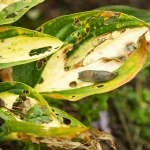
Rust disease shows orange, red, or brown spots on leaves and spreads rapidly in humid weather.
Solution: Remove infected leaves, use resistant crop varieties, and apply organic fungicides like baking soda spray.
Root Rot
Root rot causes roots to turn dark and mushy, leading to plant wilting and death.
Solution: Improve soil drainage, avoid overwatering, and apply Trichoderma-based bio-fungicides.
Bacterial Diseases in Crops
Bacterial infections spread through water, tools, and infected plant material. They often cause leaf spots, wilting, and rotting.
Bacterial Wilt
This disease causes sudden wilting of plants even when soil moisture is sufficient.
Solution: Remove infected plants, use crop rotation, and disinfect farming tools regularly.
Bacterial Leaf Spot
It appears as small dark spots on leaves that gradually expand and damage foliage.
Solution: Avoid overhead irrigation, use copper-based organic sprays, and maintain field hygiene.
Viral Diseases in Crops
Viral diseases are highly destructive and usually spread through insect vectors like aphids and whiteflies.
Leaf Curl Virus
This disease causes curling, twisting, and deformation of leaves, especially in vegetables like tomatoes and chilies.
Solution: Control insect vectors using neem spray, use resistant varieties, and remove infected plants immediately.
Mosaic Virus
Mosaic virus causes light and dark green patterns on leaves, affecting plant growth and yield.
Solution: Use disease-free seeds, control pests, and practice strict field sanitation.
Soil-Borne Diseases
These diseases live in soil and attack plant roots, often leading to poor growth and plant death.
Damping-Off Disease
This disease affects seedlings, causing them to rot at the base and collapse.
Solution: Use treated seeds, avoid excess moisture, and apply bio-fungicides in nursery beds.
Verticillium Wilt
It causes yellowing and wilting of leaves due to blockage in plant vascular systems.
Solution: Practice crop rotation and use resistant varieties to reduce infection risk.
Common Organic Solutions for Crop Diseases
Organic farming provides safe and effective solutions to manage crop diseases without harmful chemicals.
Neem-Based Treatments
Neem oil and neem extracts are widely used to control fungal and bacterial infections.
Garlic and Chili Spray
A mixture of garlic, chili, and water acts as a natural antifungal and antibacterial spray.
Compost and Organic Matter
Healthy soil with compost improves plant immunity and reduces disease susceptibility.
Bio-Fungicides
Beneficial microorganisms like Trichoderma help control soil-borne fungal diseases naturally.
Preventive Measures for Crop Diseases
Prevention is always more effective than treatment in agriculture. Proper farming practices reduce disease risks significantly.
- Use disease-free and certified seeds
- Maintain proper plant spacing for airflow
- Avoid overwatering and poor drainage
- Practice crop rotation regularly
- Keep fields clean from weeds and residues
Importance of Early Action
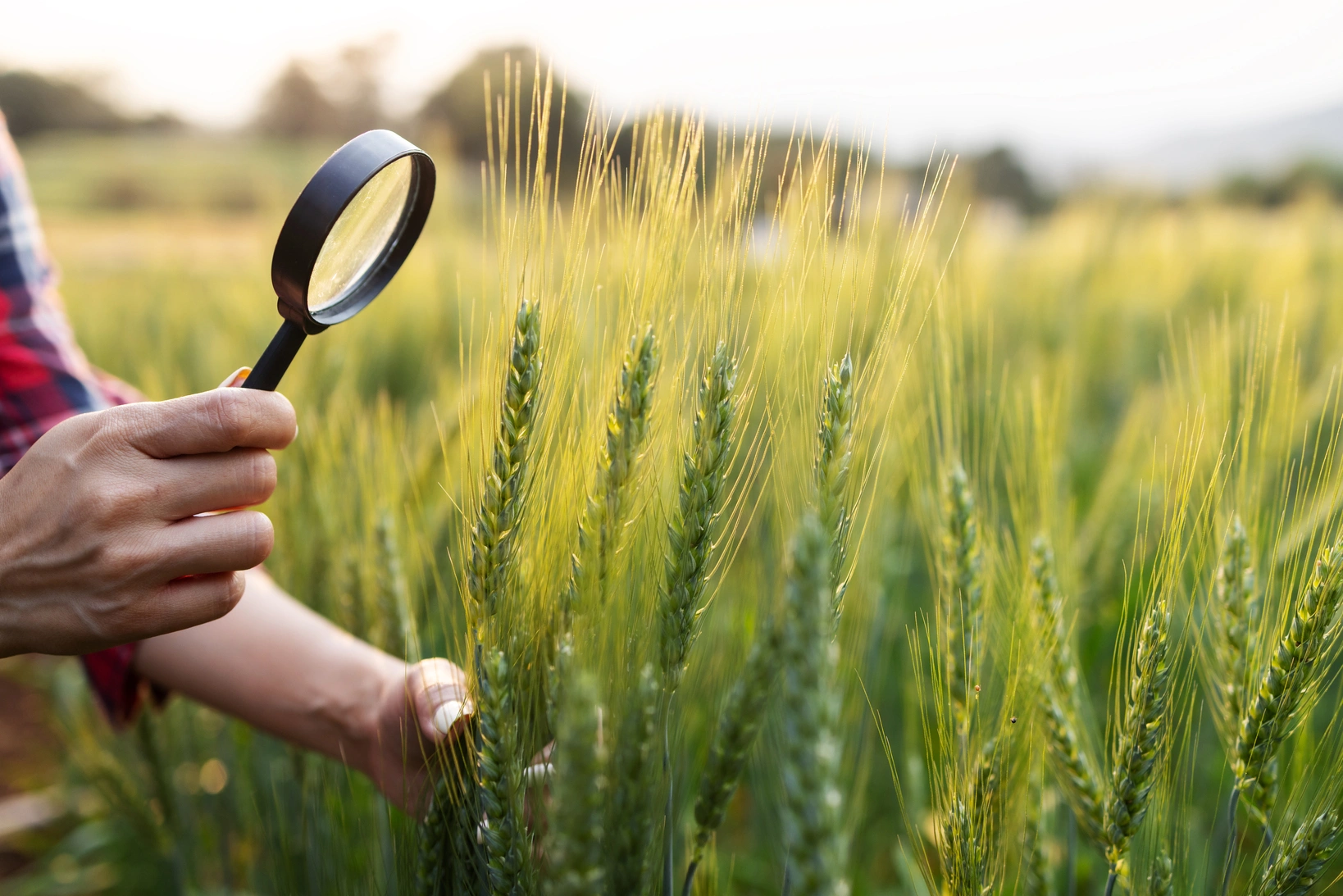
Early detection and timely treatment are key to controlling crop diseases effectively. Ignoring early symptoms can lead to widespread infection and heavy yield loss.
Regular monitoring and quick response help maintain healthy crops throughout the season.
Conclusion
Common crop diseases can be managed effectively with the right knowledge and practices. By understanding symptoms, using organic solutions, and following preventive measures, farmers can protect their crops and improve productivity.
Sustainable disease management ensures healthier crops, better yields, and long-term agricultural success.