



Introduction to Early Plant Disease Identification
Early identification of plant diseases is one of the most important skills for farmers. The sooner a disease is detected, the easier it is to control and prevent crop loss.
Most plant diseases start with small, visible changes in leaves, stems, or growth patterns that are often ignored at the beginning stage.
Why Early Detection Matters
Plant diseases spread quickly if not controlled in time. A small infection can turn into a large outbreak within days under favorable conditions.
Early detection helps reduce yield loss, save treatment costs, and improve overall crop productivity.
It also reduces the need for heavy chemical use later in the crop cycle.
Regular Field Inspection
Frequent field visits are essential for spotting early disease symptoms.
Farmers should inspect crops at least once or twice a week, especially during critical growth stages.
Early signs are often visible on younger leaves and plant tips.
Changes in Leaf Color
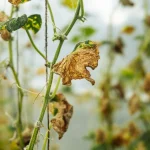
One of the first indicators of plant disease is a change in leaf color.
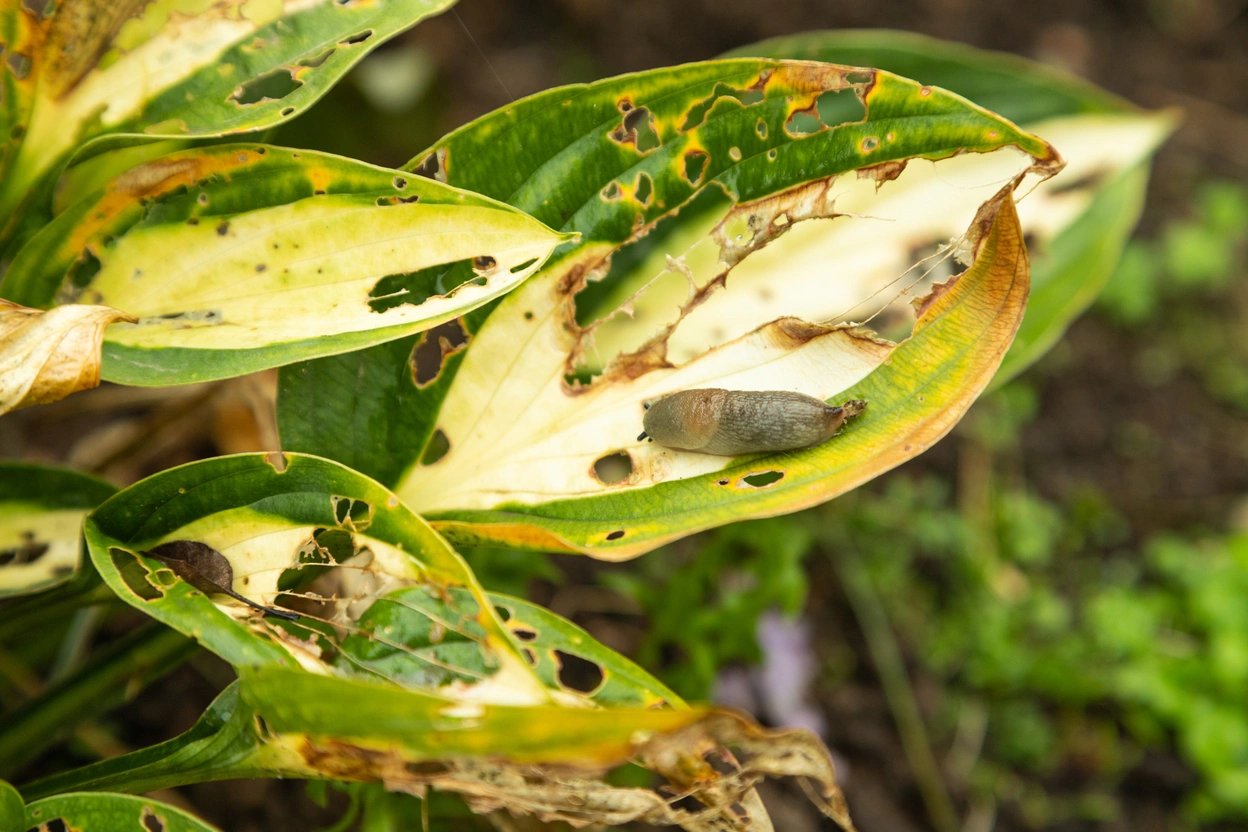
Yellowing, browning, or unusual spots can indicate fungal, bacterial, or nutrient-related problems.
Healthy leaves should maintain a uniform green color.
Spotting on Leaves
Small spots on leaves are a common early symptom of many plant diseases.
These spots may appear black, brown, yellow, or white depending on the type of infection.
Over time, these spots can expand and damage the entire leaf.
Wilting of Plants
Wilting occurs when plants lose turgidity due to root damage or vascular infection.
Even if soil moisture is adequate, infected plants may appear weak and droopy.
This is often an early sign of bacterial or fungal diseases.
Stunted Plant Growth
Diseased plants often show slow or uneven growth compared to healthy plants.
They may appear smaller, weaker, or less developed.
This symptom is especially noticeable in rows where some plants grow normally while others lag behind.
Leaf Curling and Deformation
Leaf curling, twisting, or abnormal shapes can indicate viral infections or pest-related diseases.
These symptoms usually appear in younger leaves first.
Early detection helps prevent the spread to healthy plants.
Presence of Powder or Mold
White, gray, or black powder-like growth on leaves is a sign of fungal infection.
Mold often appears in humid conditions and spreads quickly if not controlled.
It can reduce photosynthesis and weaken plants significantly.
Stem and Root Changes
Discoloration or softening of stems and roots may indicate internal infections.
Root rot is a serious condition that affects water and nutrient absorption.
Healthy roots should be firm and light in color.
Unusual Odor from Plants
Some bacterial infections produce a foul smell in affected plants.
This is often a sign of advanced infection but can sometimes be detected early near infected areas.
Immediate action is required when such symptoms appear.
Insect Activity Increase
A sudden increase in pests like aphids, whiteflies, or mites can indicate plant stress or disease presence.
These insects often spread viral and bacterial infections.
Monitoring pest activity helps in early disease detection.
Checking Soil Conditions
Soil health directly affects plant disease development.
Excess moisture, poor drainage, or nutrient imbalance can lead to disease outbreaks.
Healthy soil reduces the chances of infection.
Using Simple Tools for Detection
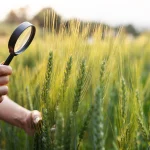
Farmers can use basic tools like magnifying glasses or mobile phone cameras to observe small symptoms.
These tools help detect early signs that may not be visible to the naked eye.
Technology can improve accuracy in disease identification.
Comparison with Healthy Plants
Comparing suspicious plants with healthy ones helps identify abnormalities quickly.
Differences in color, size, and structure are strong indicators of disease.
This simple method is very effective in early detection.
Importance of Record Keeping
Maintaining records of crop health helps track disease patterns over time.
It allows farmers to identify recurring issues and take preventive measures in future seasons.
Good records improve long-term farm management.
Conclusion
Early identification of plant diseases is essential for protecting crops and maximizing yield. By regularly inspecting fields, observing symptoms like leaf spots, wilting, and growth changes, farmers can take timely action.
Early detection reduces crop loss, lowers treatment costs, and supports healthier and more productive farming systems.