





Introduction to Rainwater Storage in Farming
Rainwater storage is an essential practice for farmers to ensure a reliable water supply during dry periods. Instead of letting rainwater flow away unused, it can be collected, stored, and reused for irrigation.
Effective rainwater storage improves water security, reduces dependency on groundwater, and supports sustainable farming systems.
Why Rainwater Storage is Important
Many agricultural regions face irregular rainfall patterns, making water availability unpredictable.
Storing rainwater helps farmers maintain crop irrigation during droughts and dry seasons.
It also reduces irrigation costs and improves long-term farm productivity.
Rainwater Harvesting Ponds
One of the most common methods of storing rainwater is by constructing farm ponds.
These ponds collect runoff water from fields and rainfall during monsoon seasons.
Lining the pond with plastic sheets or clay helps prevent water leakage and improves storage efficiency.
Underground Water Tanks
Underground tanks are highly effective for storing large amounts of rainwater while reducing evaporation losses.
These tanks can be built using concrete or bricks and covered to prevent contamination.
They are suitable for both small and large farming systems.
Plastic and Fiber Storage Tanks
Plastic and fiber tanks are affordable and easy-to-install solutions for rainwater storage.
They are ideal for small farms, home gardens, and greenhouse farming.
These tanks are durable, lightweight, and require minimal maintenance.
Check Dams for Water Collection
Check dams are small barriers built across seasonal streams to slow water flow and collect rainwater.
They help recharge groundwater and store water for agricultural use.
This method is especially useful in hilly and semi-arid regions.
Roof Rainwater Harvesting
Farm buildings, houses, and sheds can be used to collect rainwater through rooftop systems.
Water collected from roofs is directed through pipes into storage tanks or underground reservoirs.
This is a simple and cost-effective method for small-scale farmers.
Contour Bunding and Field Channels
Contour bunding involves creating small embankments along the natural slope of the land to capture rainwater.
Field channels guide water into designated storage areas like ponds or tanks.
These methods reduce runoff and increase water absorption in soil.
Plastic Lined Reservoirs
Plastic lining is used to prevent seepage in water storage reservoirs.
This method is cost-effective and increases water retention efficiency.
It is commonly used in areas with sandy or porous soil.
Recharging Wells and Boreholes
Rainwater can be directed into wells or boreholes to recharge underground water levels.
This helps maintain groundwater resources for future irrigation use.
It is a sustainable way to manage long-term water availability.
Simple Storage Barrels and Drums
For small-scale farming or kitchen gardens, barrels and drums can be used to store rainwater.
These containers should be covered to prevent mosquito breeding and contamination.
They provide an easy and low-cost storage solution.
Proper Filtration Systems
Before storing rainwater, it is important to filter out dirt, leaves, and debris.
Simple mesh filters or sand filters can be installed at collection points.
This ensures clean water for irrigation and prevents clogging in irrigation systems.
Maintenance of Storage Systems
Regular maintenance is necessary to keep rainwater storage systems efficient.
Cleaning tanks, repairing leaks, and removing sediment buildup improves water quality.
Proper maintenance increases system lifespan and performance.
Preventing Water Loss
Evaporation is a major issue in open water storage systems.
Covering tanks or using shade nets helps reduce water loss.
Lined and closed systems are more efficient for long-term storage.
Using Stored Rainwater Efficiently
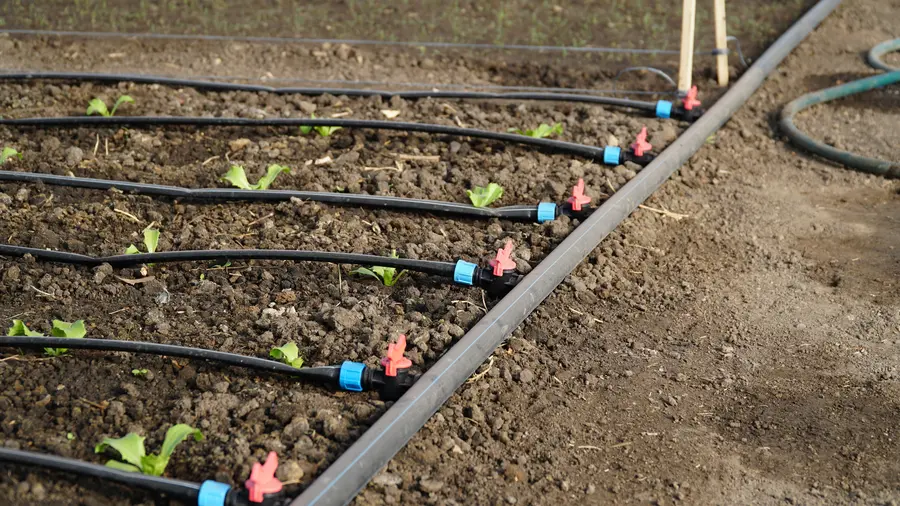
Stored rainwater should be used wisely through efficient irrigation methods like drip or sprinkler systems.
This ensures maximum benefit from limited water resources.
Proper scheduling prevents wastage and over-irrigation.
Benefits of Rainwater Storage for Farmers
Rainwater storage provides reliable water supply, reduces irrigation costs, and improves crop productivity.
It also helps farmers during drought conditions and supports sustainable agriculture.
Additionally, it reduces pressure on groundwater and natural water bodies.
Conclusion
Effective rainwater storage is essential for modern farming, especially in areas with unpredictable rainfall. By using ponds, tanks, rooftop systems, and underground reservoirs, farmers can secure water for irrigation throughout the year.
Proper storage and management of rainwater not only improve crop yield but also ensure long-term water sustainability for agriculture.