



Introduction to Rainwater Harvesting in Agriculture
Rainwater harvesting is the process of collecting, storing, and using rainwater for agricultural purposes instead of letting it run off unused. It is one of the most practical solutions for water conservation in farming.
This method helps farmers reduce dependency on groundwater, lower irrigation costs, and improve crop productivity in both irrigated and rain-fed areas.
Why Rainwater Harvesting is Important for Farmers
Agriculture is highly dependent on water, and irregular rainfall can seriously affect crop production. Rainwater harvesting provides a backup water source during dry periods.
It also helps stabilize farming systems, especially in regions facing drought and water scarcity.
By storing rainwater, farmers can ensure more reliable irrigation throughout the year.
Basic Concept of Rainwater Harvesting
The main idea is to capture rainwater from surfaces like rooftops, fields, and open land, then store it in ponds, tanks, or underground reservoirs.
This stored water can later be used for irrigation, livestock, or groundwater recharge.
It is a simple but highly effective technique for sustainable water management.
Types of Rainwater Harvesting Systems
1. Rooftop Rainwater Harvesting
In this method, rainwater from roofs of houses, barns, or farm buildings is collected through pipes and stored in tanks or underground reservoirs.
It is ideal for small farms and homesteads due to its low cost and easy setup.
2. Surface Runoff Harvesting
This system collects rainwater flowing over fields and open land.
Water is directed into farm ponds, canals, or storage basins for later use.
It is widely used in large-scale farming areas.
3. Underground Storage Systems
Underground tanks and reservoirs store rainwater below the surface, reducing evaporation losses.
These systems are suitable for areas with high temperatures and limited surface space.
Farm Ponds for Water Storage
Farm ponds are one of the most common methods of storing harvested rainwater.
They collect runoff water during rainy seasons and store it for irrigation use during dry periods.
Lining ponds with plastic sheets helps prevent seepage and improves efficiency.
Check Dams and Water Barriers
Check dams are small barriers built across streams and drainage channels to slow water flow and capture rainwater.
They help recharge groundwater and increase soil moisture levels in nearby fields.
This method is especially useful in hilly and semi-arid regions.
Contour Bunding and Field Trenches
Contour bunding involves creating small embankments along land slopes to reduce water runoff.
Field trenches help collect and store rainwater within agricultural fields.
Both methods improve water absorption and reduce soil erosion.
Use of Storage Tanks and Reservoirs
Plastic, concrete, or metal tanks can be used to store harvested rainwater for irrigation.
These tanks are suitable for small and medium-scale farms.
Covered storage systems help reduce evaporation and contamination.
Groundwater Recharge Wells
Rainwater can be directed into wells or boreholes to recharge underground water levels.
This helps maintain groundwater availability for long-term agricultural use.
It is a sustainable solution for water-scarce regions.
Filtration Before Storage
Before storing rainwater, it should be filtered to remove dirt, leaves, and debris.
Simple mesh or sand filters can be used at collection points.
Clean water improves system efficiency and protects irrigation equipment.
Efficient Use of Harvested Rainwater
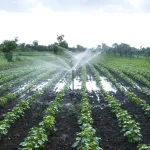
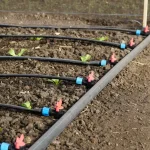
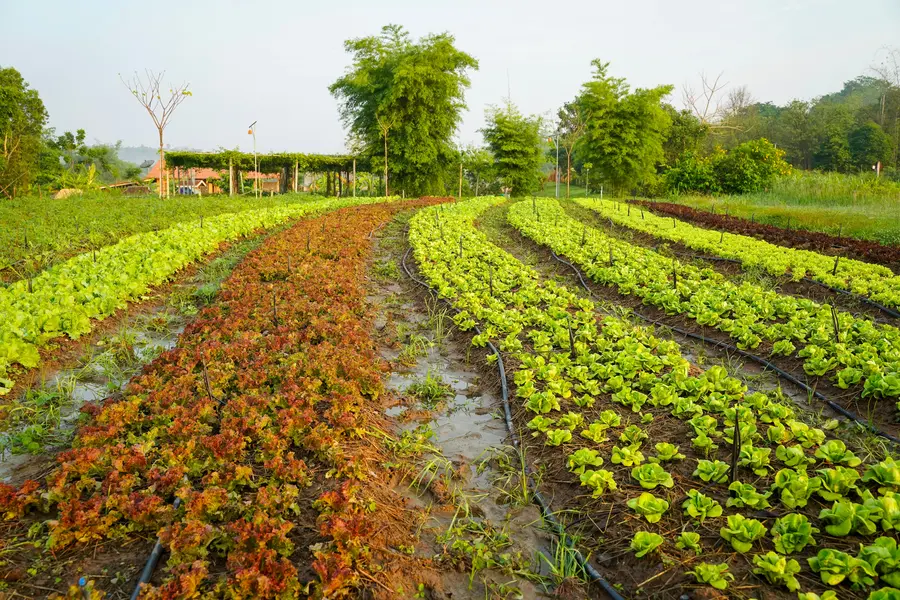
Stored rainwater should be used efficiently through modern irrigation systems like drip or sprinkler irrigation.
These methods reduce water wastage and ensure uniform distribution to crops.
Proper irrigation scheduling further improves water efficiency.
Benefits of Rainwater Harvesting in Agriculture
Rainwater harvesting provides multiple benefits including water conservation, reduced irrigation costs, and improved crop yield.
It also helps reduce dependency on groundwater and protects against drought conditions.
Additionally, it supports sustainable and climate-resilient farming systems.
Environmental Benefits
Rainwater harvesting helps reduce soil erosion and surface runoff.
It contributes to groundwater recharge and maintains ecological balance.
This makes agriculture more environmentally friendly and sustainable.
Cost-Effectiveness for Farmers
Once installed, rainwater harvesting systems significantly reduce irrigation expenses.
They require low maintenance and provide long-term benefits for farmers.
This makes them a cost-effective investment for agricultural sustainability.
Challenges in Rainwater Harvesting
Some challenges include high initial setup costs, lack of awareness, and maintenance requirements.
Proper training and government support can help overcome these issues.
Simple systems can be adopted even by small-scale farmers.
Conclusion
Rainwater harvesting is a powerful and sustainable solution for agricultural water management. It helps farmers collect and store rainwater for irrigation, reduce dependency on groundwater, and improve crop productivity.
By adopting rainwater harvesting systems, farmers can ensure long-term water security and build more resilient and profitable farming systems.