



Introduction to Water Management in Agriculture
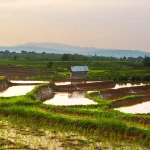
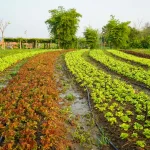
Water management is a critical part of modern farming because it directly affects crop growth, yield, and soil health. Proper water management ensures that crops receive the right amount of water at the right time without wastage or stress.
In many regions, water scarcity and irregular rainfall make efficient water use even more important for sustainable agriculture.
Why Water is Essential for Crop Growth
Water is involved in almost every biological process in plants, including photosynthesis, nutrient transport, and cell development.
Without adequate water, plants cannot absorb nutrients properly, leading to poor growth and reduced yield.
Balanced water supply ensures healthy plant development throughout all growth stages.
Improves Crop Yield and Quality
Proper water management helps crops grow uniformly and reach their full production potential.
It improves fruit size, grain quality, and overall plant health.
Well-irrigated crops are more resistant to stress and environmental changes.
Prevents Water Stress in Plants
Water stress occurs when plants receive either too little or too much water.
Underwatering leads to wilting and reduced growth, while overwatering can cause root rot and nutrient loss.
Efficient water management maintains optimal moisture levels in the soil.
Maintains Soil Health
Proper irrigation practices help maintain soil structure and fertility.
Excess water can cause soil erosion and nutrient leaching, while insufficient water reduces microbial activity.
Balanced water use supports long-term soil productivity.
Supports Nutrient Absorption
Water acts as a carrier for nutrients in the soil, helping plants absorb essential elements like nitrogen, phosphorus, and potassium.
If water is not managed properly, nutrient uptake becomes inefficient.
This leads to poor plant development and reduced crop yield.
Reduces Farming Costs
Efficient water management reduces unnecessary irrigation, saving water, energy, and labor costs.
Farmers can avoid excessive pumping and reduce electricity or fuel expenses.
This improves overall farm profitability.
Prevents Water Wastage
Inefficient irrigation methods often lead to significant water loss through runoff, evaporation, and deep percolation.
Proper water management techniques help minimize wastage and use water more efficiently.
This is especially important in water-scarce regions.
Improves Irrigation Efficiency
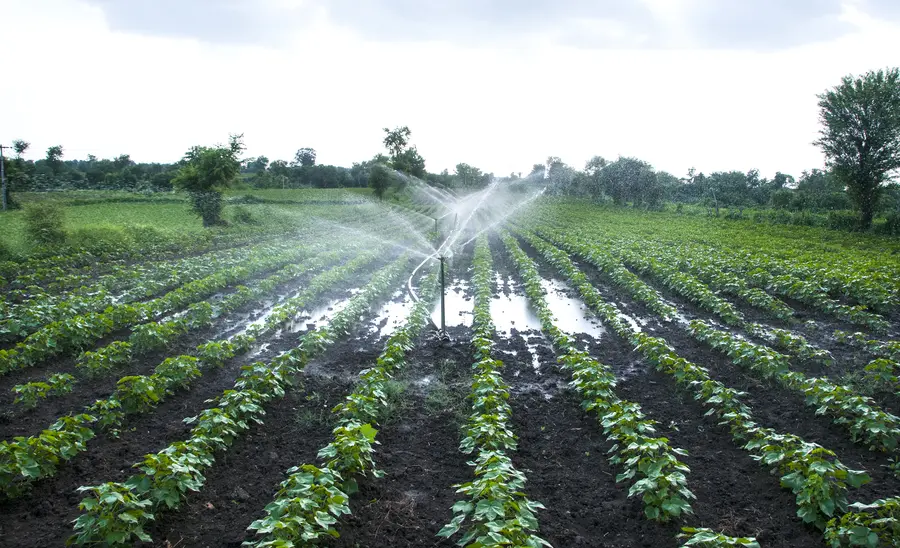
Modern irrigation systems like drip and sprinkler irrigation ensure precise water delivery.
These systems improve efficiency by targeting water directly to plant roots or field areas.
This ensures uniform crop growth and better resource utilization.
Protects Against Drought Conditions
Good water management practices help crops survive during drought or dry spells.
Techniques such as mulching, rainwater harvesting, and drip irrigation conserve moisture in the soil.
This reduces dependency on unpredictable rainfall.
Prevents Waterlogging Problems
Excess irrigation can lead to waterlogging, which damages roots and reduces oxygen availability in soil.
Proper drainage and controlled irrigation help prevent this issue.
Healthy soil conditions support better crop growth.
Supports Sustainable Farming
Water management is a key part of sustainable agriculture practices.
It ensures that natural water resources are used responsibly and preserved for future generations.
This helps maintain ecological balance in farming systems.
Enhances Fertilizer Efficiency
When water is properly managed, fertilizers are absorbed more effectively by plants.
Improper irrigation can wash away nutrients, reducing fertilizer efficiency.
Balanced water use improves nutrient availability in the root zone.
Helps in Crop Planning
Different crops require different water levels. Proper water management helps farmers choose suitable crops based on water availability.
This improves farm planning and reduces the risk of crop failure.
It also supports better seasonal farming decisions.
Reduces Pest and Disease Risk
Overwatering creates humid conditions that promote fungal and bacterial diseases.
Proper irrigation timing helps reduce excess moisture around plants.
This leads to healthier crops and reduced pesticide use.
Improves Groundwater Conservation
Efficient water management reduces excessive groundwater extraction.
Techniques like rainwater harvesting help recharge underground water sources.
This ensures long-term availability of water for agriculture.
Conclusion
Water management is essential for achieving high crop productivity, reducing costs, and maintaining soil health. It ensures that water is used efficiently without wastage or damage to crops and soil.
By adopting proper irrigation techniques and modern water-saving practices, farmers can improve yield, protect natural resources, and ensure sustainable farming for the future.