


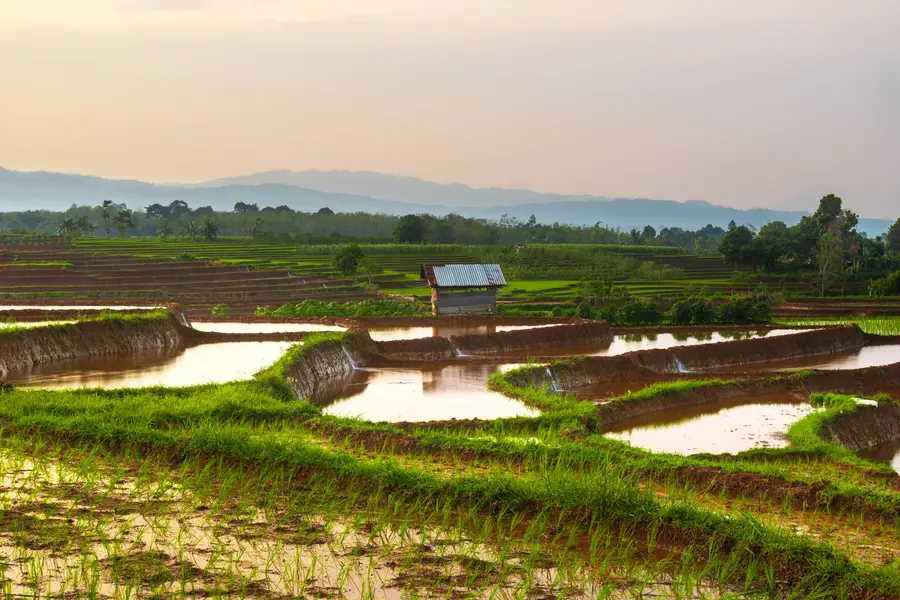
Introduction to Smart Water Saving in Farming
Water is becoming one of the most limited resources in agriculture, and efficient use is now more important than ever. Smart water-saving techniques help farmers grow more crops using less water while maintaining soil health and productivity.
These methods combine traditional knowledge with modern tools to reduce wastage and improve irrigation efficiency.
Why Smart Water Management Matters
Inefficient irrigation leads to water loss, higher costs, and reduced crop yield. Smart water management ensures every drop is used effectively.
It also helps maintain groundwater levels and supports long-term agricultural sustainability.
Farmers can increase profit while reducing dependency on excessive water use.
Use of Drip Irrigation Systems
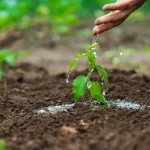
Drip irrigation is one of the most efficient water-saving methods in farming. It delivers water directly to plant roots in small, controlled amounts.
This reduces evaporation, runoff, and deep drainage losses.
It is highly effective for vegetables, fruits, and cash crops.
Sprinkler Irrigation for Uniform Watering
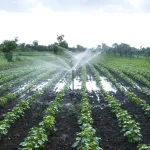
Sprinkler systems distribute water evenly across the field, similar to rainfall.
This method is suitable for crops that require uniform moisture distribution.
It also reduces water wastage compared to flood irrigation.
Mulching for Moisture Retention
Mulching involves covering soil with organic materials like straw, leaves, or plastic sheets.
It reduces water evaporation from the soil surface and keeps moisture locked in for longer periods.
Mulching also helps control weeds and maintain soil temperature.
Soil Moisture Monitoring
Monitoring soil moisture helps farmers decide when and how much to irrigate.
Simple moisture meters or manual soil checks can prevent overwatering.
This ensures water is only used when crops actually need it.
Smart Irrigation Controllers
Modern irrigation controllers use sensors and weather data to automate watering schedules.
They adjust irrigation based on soil condition and environmental factors.
This reduces human error and improves water efficiency.
Rainwater Harvesting Systems
Rainwater harvesting collects and stores rainwater for future agricultural use.
This stored water can be used during dry periods to reduce pressure on groundwater sources.
It is a cost-effective and sustainable water-saving method.
Efficient Irrigation Scheduling
Watering crops at the right time is essential for saving water. Early morning or evening irrigation reduces evaporation losses.
A fixed irrigation schedule based on crop type and growth stage improves efficiency.
Over-irrigation should always be avoided.
Laser Land Leveling
Laser leveling creates a flat and uniform field surface, allowing water to spread evenly.
This reduces water pooling and improves irrigation efficiency.
It is especially useful for large-scale farming operations.
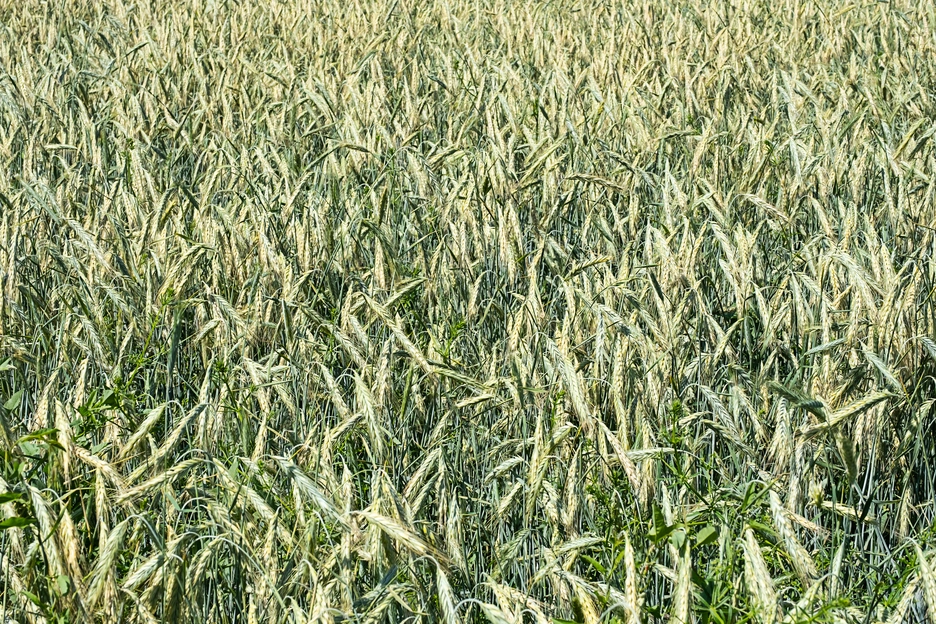
Use of Drought-Resistant Crops
Drought-resistant crop varieties require less water and can survive in dry conditions.
These crops are ideal for regions with limited water availability.
They help farmers maintain productivity even in water-scarce environments.
Proper Field Drainage Management
Good drainage prevents waterlogging and ensures efficient water use.
Excess water should be properly managed to avoid soil damage and nutrient loss.
Balanced drainage improves root health and crop growth.
Crop Rotation and Planning
Different crops have different water needs. Crop rotation helps balance water usage across seasons.
It also improves soil health and reduces pest problems.
Proper planning ensures better resource management.
Reduce Water Loss Through Leakage Control
Leaking pipes and faulty irrigation systems lead to significant water wastage.
Regular inspection and maintenance of irrigation equipment is essential.
Fixing leaks quickly improves system efficiency and saves water.
Use of Cover Crops
Cover crops protect soil from direct sunlight and reduce evaporation.
They also improve soil structure and increase moisture retention.
This method supports long-term water conservation.
Fertigation System for Efficiency
Fertigation combines irrigation with fertilizer application, improving nutrient and water use efficiency.
It ensures that both water and nutrients reach plant roots directly.
This reduces wastage and improves crop performance.
Conclusion
Smart water-saving techniques in farming are essential for modern agriculture. Methods like drip irrigation, smart controllers, mulching, and rainwater harvesting help reduce water usage while improving crop yield.
By adopting these practices, farmers can increase productivity, lower costs, and ensure sustainable use of water resources for the future.