


Introduction to Smart Farming
Smart farming is revolutionizing agriculture by combining modern technology with traditional farming practices. It focuses on improving productivity, reducing waste, and helping farmers make data-driven decisions. As global food demand rises and farming resources become more limited, smart farming is becoming essential for sustainable agriculture.
Modern farmers are now using technologies like sensors, drones, artificial intelligence, automation, GPS systems, and smart irrigation to manage farms more efficiently and profitably.
What is Smart Farming?
Smart farming refers to the use of advanced digital technologies to monitor, manage, and improve agricultural operations.
Instead of relying completely on manual labor and guesswork, farmers use real-time data and automated systems to make accurate decisions about irrigation, fertilization, pest control, and harvesting.
The goal is to increase crop yield while reducing costs, labor, and environmental impact.
Importance of Smart Farming in Modern Agriculture
Modern agriculture faces challenges such as climate change, labor shortages, rising input costs, and water scarcity. Smart farming helps farmers overcome these issues through better efficiency and resource management.
By using technology, farmers can monitor crops closely, respond quickly to problems, and optimize every stage of production.
Precision Agriculture Techniques
Precision agriculture is one of the most important smart farming methods. It involves managing fields based on actual crop and soil conditions rather than treating the entire farm equally.
Using GPS systems, sensors, and satellite data, farmers can apply water, fertilizers, and pesticides only where needed.
This targeted approach reduces waste and improves crop productivity.
Smart Irrigation Systems
Water management is a major concern in agriculture, especially in drought-prone areas. Smart irrigation systems use sensors, weather forecasts, and automated controls to deliver the right amount of water at the right time.
Drip irrigation combined with moisture sensors helps reduce water wastage and ensures crops receive consistent moisture.
These systems also reduce electricity and pumping costs while improving plant health.
Use of Drones in Farming
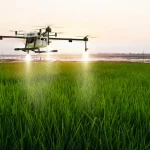
Drones are becoming increasingly common in modern agriculture. Equipped with cameras and sensors, drones can monitor crop health, identify pest attacks, and analyze field conditions from the air.
Drones help farmers detect issues early, allowing quick corrective action before problems spread.
Some drones are also used for spraying fertilizers and pesticides with high precision, reducing chemical wastage.
Artificial Intelligence in Agriculture
Artificial intelligence (AI) helps farmers analyze large amounts of farming data and make smarter decisions.
AI systems can predict weather conditions, disease outbreaks, irrigation needs, and expected crop yield.
Machine learning algorithms improve accuracy over time by studying historical data and crop patterns.
This helps farmers plan better and reduce production risks.
Internet of Things (IoT) in Smart Farming
The Internet of Things (IoT) connects farming devices, sensors, and equipment through the internet.
IoT devices collect real-time data about soil moisture, temperature, humidity, crop growth, and machinery performance.
Farmers can monitor and control these systems remotely through mobile apps or computer dashboards.
This improves efficiency and allows quick response to changing field conditions.
Soil Monitoring Technology
Healthy soil is critical for productive farming. Smart soil monitoring systems measure moisture levels, nutrient content, pH balance, and soil temperature.
This information helps farmers apply fertilizers accurately and avoid nutrient deficiencies or overuse.
Soil monitoring also improves long-term soil health and sustainability.
Automated Machinery and Robotics
Automation is reducing dependency on manual labor in agriculture. Modern farms now use self-driving tractors, robotic harvesters, and automated seed planters.
These machines perform tasks faster and more accurately than traditional methods.
Automation improves productivity, reduces labor costs, and minimizes human error.
Climate-Smart Farming Practices
Climate change has made farming more unpredictable. Climate-smart farming focuses on adapting to changing weather conditions while maintaining productivity.
Techniques include water-efficient irrigation, drought-resistant crops, weather monitoring systems, and sustainable soil management.
These practices help farmers reduce climate-related risks and improve long-term resilience.
Greenhouse and Controlled Environment Farming
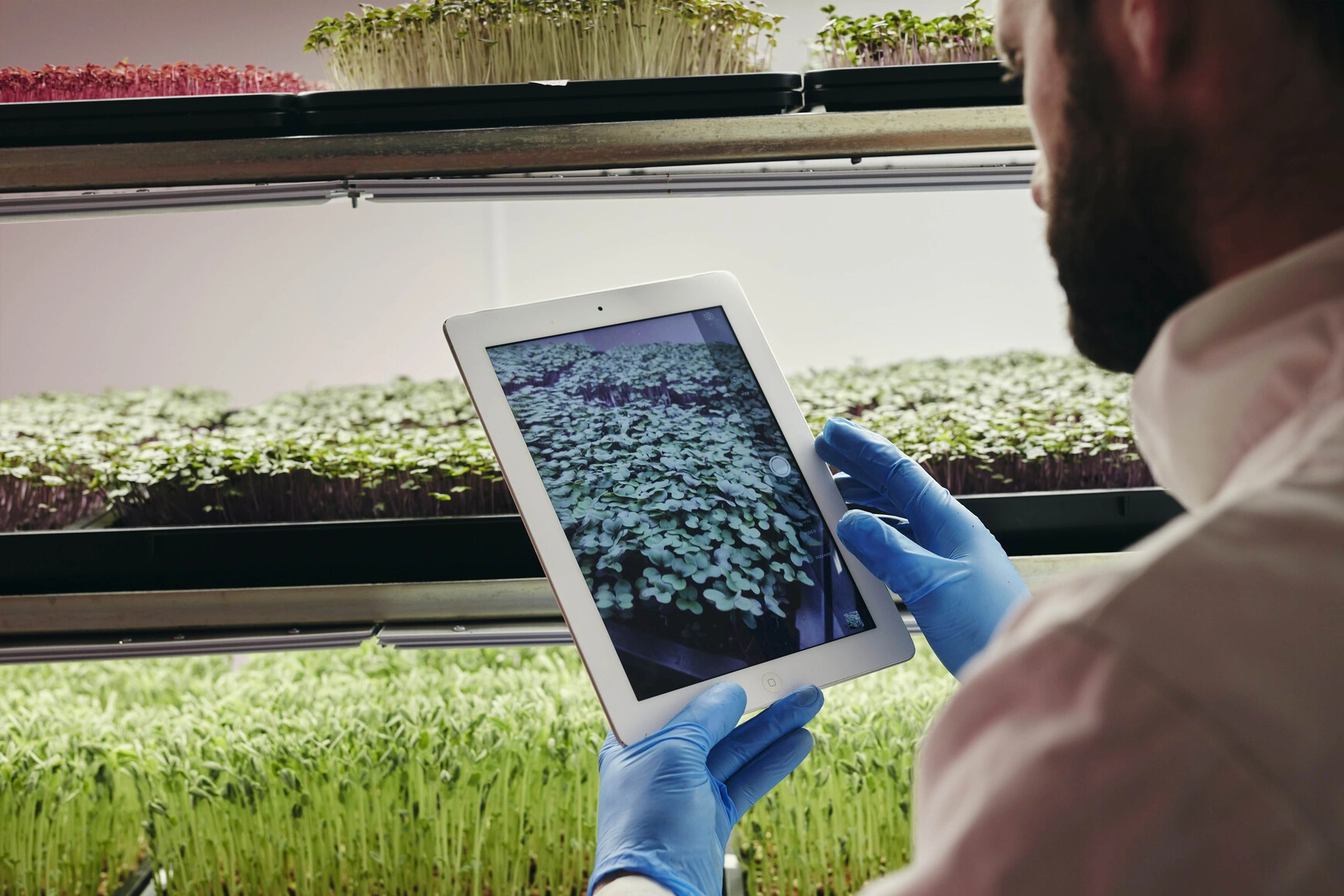
Smart greenhouses use automated systems to control temperature, humidity, lighting, and ventilation.
Sensors continuously monitor environmental conditions and adjust settings automatically for optimal plant growth.
Controlled environment farming allows year-round production with better quality and reduced pest problems.
Data Analytics in Agriculture
Data analytics helps farmers understand field performance and improve decision-making.
By analyzing crop growth, weather patterns, soil conditions, and market trends, farmers can optimize planting schedules and resource use.
Data-driven farming reduces uncertainty and improves profitability.
Benefits of Smart Farming
Smart farming offers multiple advantages for modern agriculture:
• Increased crop productivity
* Reduced water and fertilizer usage
* Lower labor costs
* Better pest and disease control
* Improved soil health
* Faster and smarter decision-making
* Reduced environmental impact
These benefits make agriculture more profitable and sustainable.
Challenges of Smart Farming
Despite its advantages, smart farming also has challenges. Advanced technologies require significant initial investment, which can be difficult for small farmers.
Technical training is also necessary to operate digital systems and interpret data correctly.
Internet connectivity and electricity shortages in rural areas can limit the effectiveness of some smart farming technologies.
Smart Farming for Small Farmers
Small farmers can also benefit from affordable smart farming solutions. Mobile applications, low-cost sensors, and shared drone services are making technology more accessible.
Governments and agricultural organizations are increasingly providing support through subsidies, training programs, and digital agriculture initiatives.
Even small improvements in irrigation or fertilizer management can significantly increase productivity for small farms.
Role of Mobile Apps in Agriculture
Mobile farming apps are becoming powerful tools for modern farmers. These apps provide weather updates, market prices, crop management advice, and pest alerts.
Farmers can monitor irrigation systems, receive fertilizer recommendations, and connect with agricultural experts directly through smartphones.
This improves communication and decision-making, especially in remote farming areas.
Future of Smart Farming
The future of agriculture will become increasingly automated and technology-driven. Artificial intelligence, robotics, drones, and IoT devices will continue improving farming efficiency.
Future farms may rely heavily on autonomous machinery, predictive analytics, and fully automated irrigation and harvesting systems.
As technology becomes more affordable, smart farming is expected to become standard practice worldwide.
Conclusion
Smart farming is shaping the future of modern agriculture by combining technology with efficient farming practices. From precision irrigation and AI-powered analytics to drones and automated machinery, these innovations help farmers increase productivity while reducing costs and environmental impact.
Although challenges such as investment and technical knowledge remain, smart farming offers long-term benefits that make agriculture more sustainable and profitable. Farmers who adopt these modern techniques early will be better prepared for future agricultural challenges.