



Introduction to Natural Fertilizers
Natural fertilizers play a major role in successful organic farming. Unlike chemical fertilizers, natural fertilizers improve soil fertility without damaging the environment or reducing long-term soil health. They provide essential nutrients to crops while supporting beneficial microorganisms that help maintain a balanced ecosystem.
As demand for organic food continues to grow, farmers are increasingly shifting toward natural and sustainable farming methods. Using natural fertilizers not only improves crop quality but also reduces production costs over time.
What Are Natural Fertilizers?
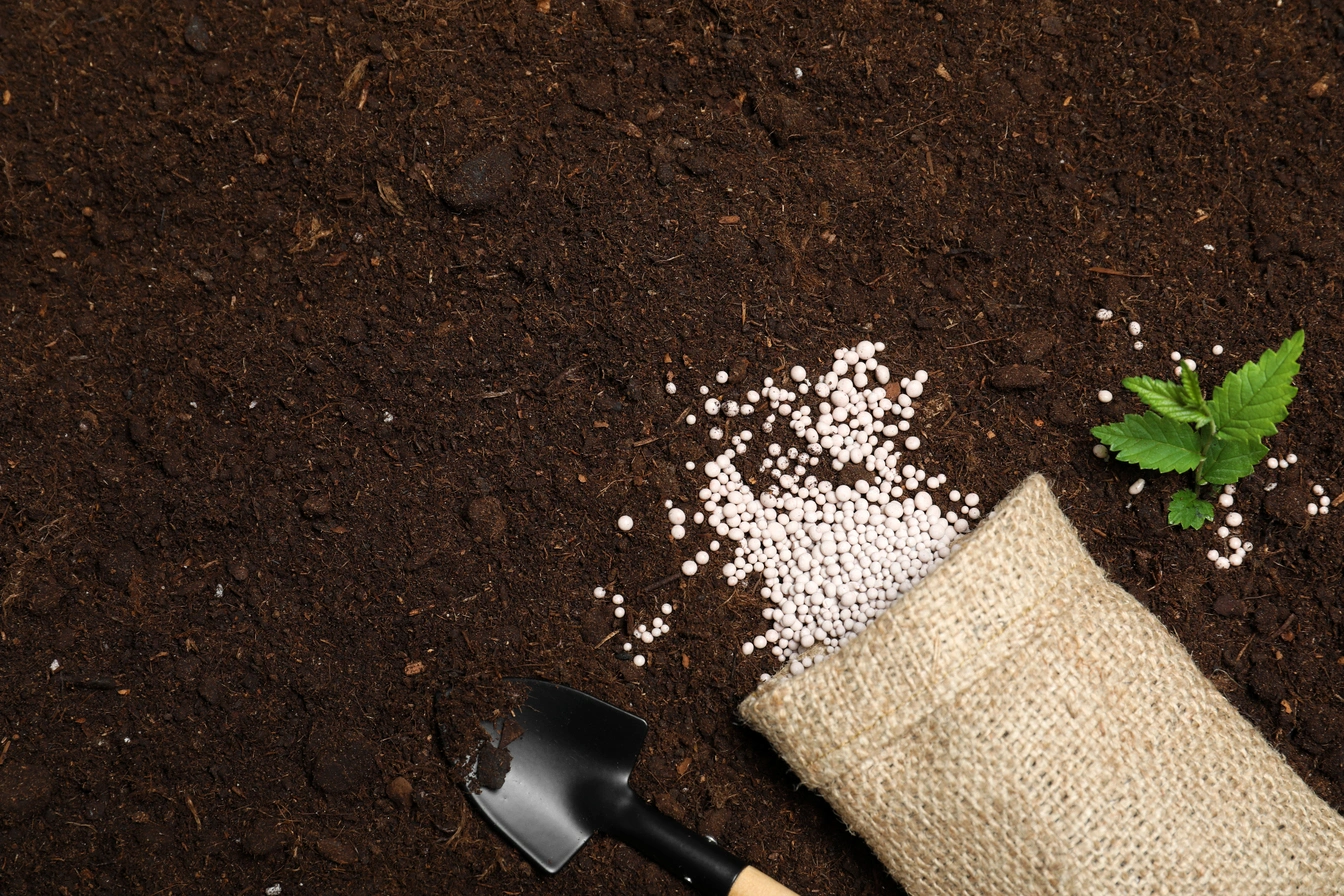
Natural fertilizers are organic materials derived from plant, animal, or mineral sources that supply nutrients to crops naturally.
These fertilizers release nutrients slowly, improving soil structure and maintaining fertility over a longer period compared to synthetic fertilizers.
Examples include compost, animal manure, vermicompost, bone meal, seaweed extract, and green manure crops.
Importance of Natural Fertilizers in Organic Farming
Organic farming depends heavily on maintaining healthy soil. Natural fertilizers improve soil texture, water retention, microbial activity, and nutrient availability.
Unlike chemical fertilizers that can degrade soil over time, organic fertilizers help build long-term fertility and reduce environmental pollution.
Healthy soil leads to stronger plants, better resistance to pests and diseases, and improved crop quality.
Compost – The Foundation of Organic Farming
Compost is one of the most widely used natural fertilizers in organic agriculture. It is produced by decomposing kitchen waste, crop residues, dry leaves, and other organic materials.
Compost improves soil structure and provides balanced nutrients to plants. It also increases the soil’s ability to retain moisture and supports beneficial microorganisms.
Regular compost application improves long-term soil productivity and reduces dependency on external fertilizers.
Animal Manure as a Natural Fertilizer
Animal manure from cows, goats, poultry, and sheep is rich in nutrients like nitrogen, phosphorus, and potassium.
Well-decomposed manure improves soil fertility and organic matter content. Fresh manure should not be applied directly because it can burn plants and spread harmful pathogens.
Properly composted manure provides slow-release nutrients and supports healthy plant growth.
Vermicompost and Earthworm Farming
Vermicompost is produced through the activity of earthworms that break down organic waste into nutrient-rich compost.
This fertilizer is highly valued because it contains essential nutrients, beneficial microbes, and natural growth hormones.
Vermicompost improves seed germination, root development, and overall plant health while enhancing soil aeration and moisture retention.
Green Manure Crops
Green manure involves growing specific crops and then incorporating them into the soil before flowering.
Leguminous plants like clover, mustard, and cowpea are commonly used because they naturally fix nitrogen into the soil.
Green manure improves soil fertility, prevents erosion, and increases organic matter content naturally.
Bone Meal for Root Development
Bone meal is a natural fertilizer made from crushed animal bones. It is rich in phosphorus and calcium, which are essential for root growth and flowering.
It is especially useful for fruiting plants, root vegetables, and flowering crops.
Bone meal releases nutrients slowly, making it effective for long-term soil fertility improvement.
Fish Emulsion Fertilizer
Fish emulsion is a liquid organic fertilizer made from fish waste. It is rich in nitrogen and trace minerals that promote healthy leaf growth.
This fertilizer works quickly and is commonly used during early vegetative growth stages.
Fish emulsion also improves microbial activity in the soil and supports overall plant health.
Seaweed Fertilizer
Seaweed extract is a natural fertilizer rich in micronutrients, amino acids, and plant growth hormones.
It helps improve plant stress resistance, root growth, and crop quality.
Seaweed fertilizers are often used as foliar sprays to enhance nutrient absorption and plant development.
Wood Ash as a Potassium Source
Wood ash is a natural source of potassium and calcium. It helps improve flowering and fruit development in crops.
However, wood ash should be used carefully because excessive application can increase soil pH levels.
It is best suited for acidic soils and potassium-deficient fields.
Neem Cake Fertilizer
Neem cake is a byproduct obtained after extracting oil from neem seeds. It is widely used in organic farming because it provides nutrients while also acting as a natural pest repellent.
Neem cake improves soil fertility and protects roots from harmful soil pests and nematodes.
It is especially effective in vegetable and fruit farming systems.
Biofertilizers in Organic Agriculture
Biofertilizers contain beneficial microorganisms that improve nutrient availability in the soil.
These microorganisms help fix atmospheric nitrogen, dissolve phosphorus, and improve plant nutrient uptake naturally.
Common biofertilizers include Rhizobium, Azotobacter, and phosphate-solubilizing bacteria.
Liquid Organic Fertilizers
Liquid organic fertilizers are easy to apply and provide quick nutrient absorption. Compost tea, seaweed extract, and fermented plant solutions are popular examples.
These fertilizers are often sprayed directly onto leaves or applied through irrigation systems.
Liquid fertilizers help boost plant growth during critical stages.
Benefits of Natural Fertilizers
Natural fertilizers offer several advantages for organic farming:
• Improve soil structure and fertility
* Increase microbial activity
* Reduce environmental pollution
* Improve water retention capacity
* Enhance crop quality and taste
* Support sustainable agriculture
* Reduce long-term farming costs
These benefits make natural fertilizers essential for long-term organic farming success.
Challenges of Using Natural Fertilizers
Natural fertilizers also have some limitations. Nutrient release is slower compared to chemical fertilizers, so farmers need proper planning and timing.
Large quantities may be required for commercial farming, increasing labor and transportation needs.
Improperly prepared organic fertilizers can also introduce weeds or pathogens into the soil.
How to Apply Natural Fertilizers Effectively
For best results, natural fertilizers should be applied according to crop type, soil condition, and growth stage.
Compost and manure are usually mixed into the soil before planting, while liquid fertilizers are applied during crop growth.
Soil testing helps farmers understand nutrient deficiencies and choose the most suitable organic fertilizer combination.
Natural Fertilizers and Soil Health
One of the biggest advantages of natural fertilizers is their positive impact on soil health.
They improve soil aeration, encourage beneficial organisms, and increase organic matter levels.
Healthy soil supports stronger root systems and improves long-term agricultural productivity.
Future of Organic Fertilization
As sustainable agriculture becomes more important globally, the use of natural fertilizers is expected to increase significantly.
Research in biofertilizers, composting technologies, and organic nutrient management is helping farmers improve efficiency while protecting the environment.
Natural fertilization will continue playing a key role in future food production systems.
Conclusion
Natural fertilizers are essential for successful organic farming because they improve soil fertility, support plant growth, and protect the environment.
From compost and manure to vermicompost and biofertilizers, organic nutrient sources help farmers build sustainable and productive farming systems.
By using natural fertilizers correctly and consistently, farmers can achieve healthier crops, better yields, and long-term agricultural sustainability.