



Introduction to Organic Farming Business
Organic farming is becoming one of the fastest-growing agricultural businesses worldwide. Consumers are increasingly choosing organic fruits, vegetables, grains, and dairy products because they are produced without harmful chemicals or synthetic fertilizers. This rising demand creates strong business opportunities for farmers and entrepreneurs who want to enter the organic agriculture industry.
Starting an organic farm business requires proper planning, market understanding, and long-term commitment. Unlike conventional farming, organic farming focuses on sustainability, soil health, and natural production methods.
Understanding Organic Farming
Organic farming is a method of agriculture that avoids synthetic fertilizers, pesticides, genetically modified organisms (GMOs), and harmful chemicals.
Instead, it relies on natural fertilizers, crop rotation, composting, biological pest control, and sustainable farming techniques.
The main goal is to produce healthy food while protecting the environment and maintaining soil fertility for future generations.
Step 1: Research the Organic Farming Market
Before starting an organic farm business, it is important to study the market carefully.
Understand which organic products are in high demand in your area. Organic vegetables, fruits, herbs, dairy products, and grains often have strong market potential.
Research local competitors, pricing, customer preferences, and possible buyers such as supermarkets, restaurants, organic stores, and export companies.
Step 2: Choose the Right Farm Location
Location plays a major role in the success of an organic farming business.
The land should have fertile soil, access to clean water, proper sunlight, and good drainage. Avoid areas contaminated with industrial waste or excessive chemical farming.
Easy transportation access is also important for delivering products to markets efficiently.
Step 3: Select Suitable Organic Crops
Choosing the right crops is critical for profitability. Beginners should start with crops that are easier to manage and have strong market demand.
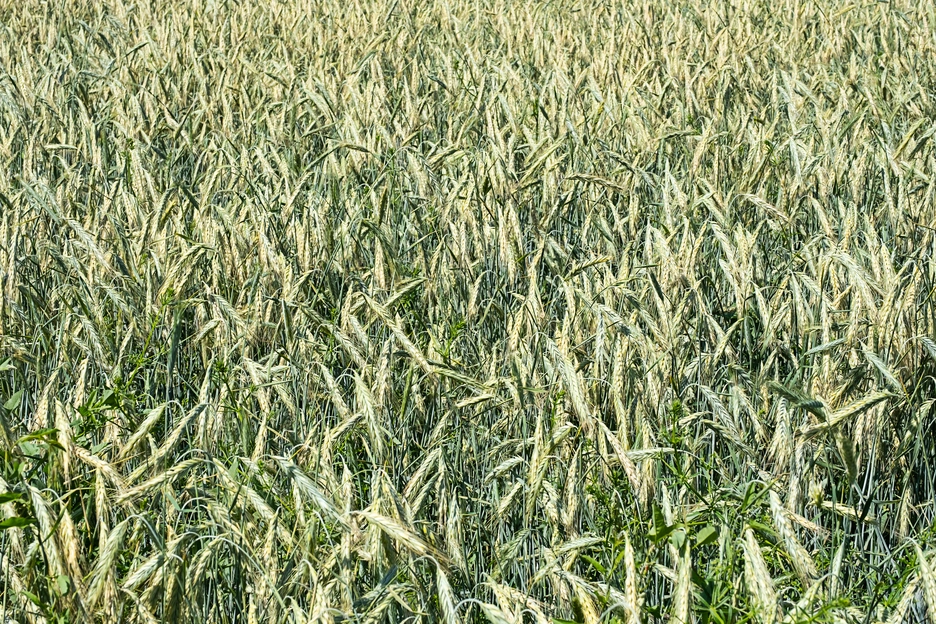
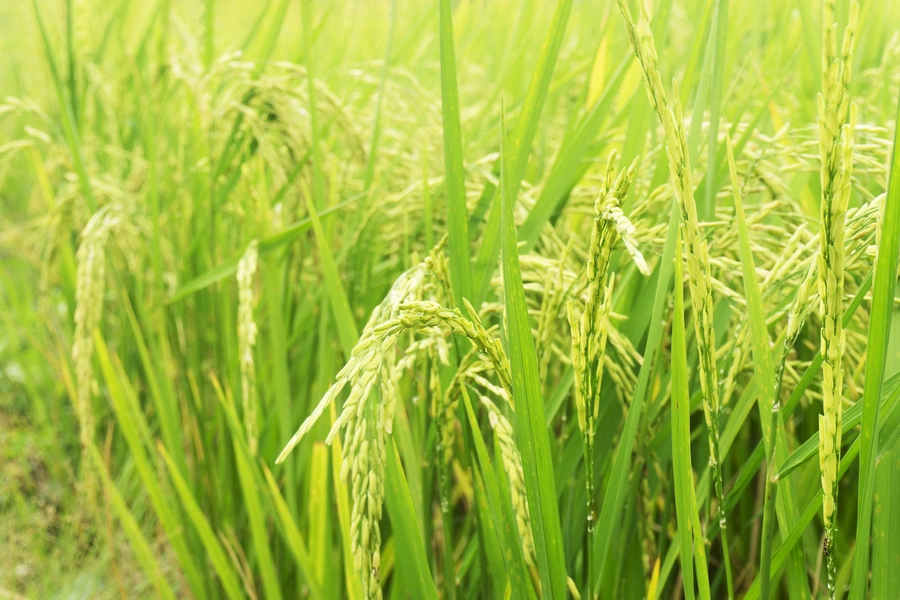
Popular organic crops include tomatoes, spinach, cucumbers, chilies, coriander, strawberries, wheat, rice, and fruit orchards.
Crop selection should depend on climate conditions, soil type, market demand, and available resources.
Step 4: Prepare the Soil Naturally
Healthy soil is the foundation of organic farming. Soil preparation should focus on improving fertility naturally without chemical fertilizers.
Use compost, animal manure, vermicompost, green manure crops, and organic matter to enrich the soil.
Soil testing is recommended to identify nutrient deficiencies and pH levels before planting.
Step 5: Arrange Organic Fertilizers
Organic farming depends heavily on natural nutrient sources.
Common organic fertilizers include:
• Compost
* Cow manure
* Vermicompost
* Bone meal
* Seaweed extract
* Neem cake
* Biofertilizers
These fertilizers improve soil structure and support long-term fertility without harming the environment.
Step 6: Set Up Irrigation Systems
Efficient irrigation is essential for organic crop production. Drip irrigation is highly recommended because it saves water and delivers moisture directly to plant roots.
Smart irrigation systems and rainwater harvesting can further improve water management and reduce costs.
Overwatering should be avoided as it can cause root diseases and nutrient loss.
Step 7: Use Organic Pest Control Methods
In organic farming, pest control relies on natural and biological methods instead of chemical pesticides.
Popular organic pest control techniques include:
• Neem oil spray
* Garlic and chili sprays
* Beneficial insects like ladybugs
* Crop rotation
* Companion planting
* Biological pest control agents
Regular crop monitoring helps detect problems early before they spread.
Step 8: Obtain Organic Certification
Organic certification is important if you want to sell products commercially as “organic.” Certification proves that your farm follows approved organic standards.
The certification process usually involves inspections, documentation, and compliance with organic farming regulations.
Although certification may take time and investment, it increases customer trust and product value.
Step 9: Build Farm Infrastructure
Basic infrastructure is necessary for smooth farm operations.
This may include:
• Storage facilities
* Irrigation systems
* Composting units
* Greenhouses or tunnels
* Farm fencing
* Equipment sheds
Good infrastructure improves efficiency and reduces post-harvest losses.
Step 10: Start Small and Expand Gradually
Many beginners make the mistake of starting too large. It is better to begin with a smaller area and expand as experience and profits grow.
Starting small allows you to learn organic farming techniques, manage risks, and improve production systems before scaling up.
Step 11: Hire Skilled Labor or Train Workers
Organic farming often requires careful manual management, especially for weed control and pest monitoring.
Hiring trained workers or educating farm staff about organic practices is important for maintaining quality standards.
Skilled labor improves productivity and reduces mistakes that can affect certification and crop quality.
Step 12: Marketing Your Organic Products
Marketing is one of the most important parts of an organic farming business.
Organic products usually sell at premium prices, but customers must trust the quality and authenticity of your products.
Farmers can sell through:
• Local vegetable markets
* Organic food stores
* Supermarkets
* Restaurants and hotels
* Online delivery platforms
* Direct-to-consumer farm sales
Strong branding and attractive packaging can also improve market value.
Step 13: Use Technology in Organic Farming
Modern technology can improve efficiency even in organic farming systems.
Farm management apps, smart irrigation, drones, and soil sensors help farmers monitor crop health and manage resources more effectively.
Precision agriculture techniques can reduce waste and improve overall productivity.
Financial Planning and Budgeting
Proper financial planning is essential before starting an organic farm business.
Calculate expenses for land preparation, seeds, irrigation, labor, certification, fertilizers, equipment, and marketing.
Organic farming may require higher initial investment, but premium pricing and long-term sustainability often provide strong returns.
Challenges in Organic Farming Business
Organic farming also comes with challenges. Pest control can be more difficult without chemicals, and organic crops may initially produce lower yields during soil transition periods.
Certification processes can be time-consuming, and organic farming requires more labor and monitoring.
However, proper planning and consistent management help overcome these challenges over time.
Benefits of Starting an Organic Farm Business
Organic farming offers several long-term advantages:
• Higher market prices
* Growing consumer demand
* Improved soil health
* Reduced environmental impact
* Sustainable farming system
* Better food quality
* Long-term profitability
These benefits make organic farming a strong business opportunity for future agriculture.
Future of Organic Farming
The global organic food market is growing rapidly due to increased awareness about health and environmental sustainability.
Governments and agricultural organizations are also supporting organic farming through training programs, subsidies, and export opportunities.
As consumer demand continues to rise, organic farming businesses are expected to become even more profitable in the future.
Conclusion
Starting an organic farm business requires patience, planning, and commitment to sustainable farming practices. From selecting the right land and crops to managing soil fertility and marketing products, every step plays an important role in success.
Although organic farming may take more effort initially, it offers long-term profitability, healthier food production, and environmental benefits. Farmers who adopt proper organic methods and focus on quality can build a successful and sustainable agricultural business.