


Introduction to Organic Farming Techniques
Organic farming is built on the idea of producing healthy crops without relying on synthetic chemicals. Instead of forcing plants to grow through artificial inputs, organic techniques focus on improving soil health, strengthening natural ecosystems, and using biological solutions for pests and diseases.
Healthy crops in organic farming don’t happen by chance. They are the result of consistent practices that improve soil fertility, water management, biodiversity, and plant resilience over time.
Building Healthy Soil as the Foundation
Soil health is the most important factor in organic farming. Without fertile soil, no technique will deliver strong results.
Organic farmers improve soil naturally using compost, animal manure, green manure, and crop residues. These materials increase organic matter, improve soil structure, and support beneficial microbes.
Healthy soil retains moisture better, supplies nutrients gradually, and reduces the risk of plant stress.
Composting Techniques for Nutrient-Rich Soil
Composting is one of the most effective organic farming techniques. It involves decomposing kitchen waste, crop leftovers, leaves, and animal waste into nutrient-rich organic matter.
Well-prepared compost improves soil fertility and provides balanced nutrients to crops. It also reduces waste and lowers dependence on external fertilizers.
Turning compost regularly and maintaining proper moisture ensures faster decomposition and better quality fertilizer.
Crop Rotation for Long-Term Soil Health
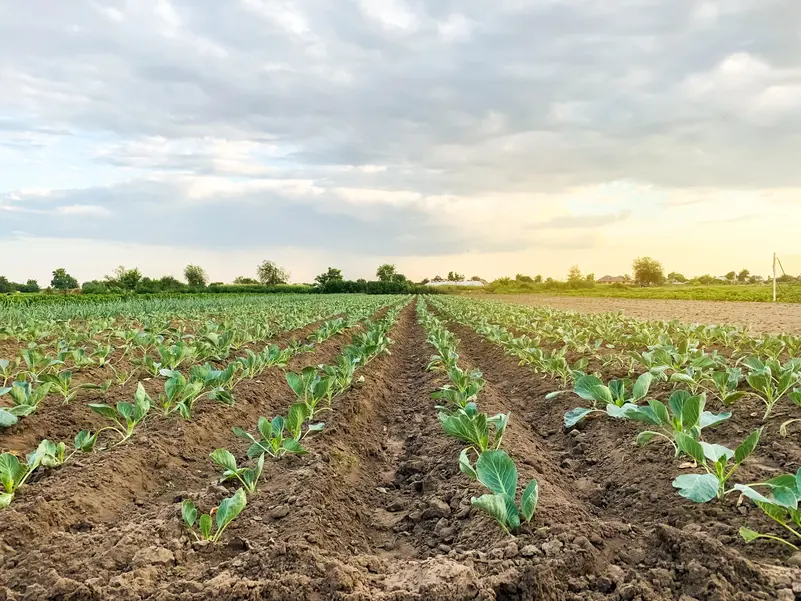
Crop rotation means growing different types of crops in the same field in different seasons. This technique prevents nutrient depletion and reduces pest buildup in the soil.
For example, legumes like beans or peas help fix nitrogen in the soil, which benefits the next crop such as wheat or vegetables.
Rotating crops improves soil balance, increases yield stability, and reduces disease pressure naturally.
Use of Green Manure Crops
Green manure is a natural technique where specific crops are grown and then plowed back into the soil while still green.
Plants like clover, mustard, and cowpea are commonly used because they add nitrogen and organic matter to the soil.
This technique improves soil fertility, prevents erosion, and enhances microbial activity without chemical inputs.
Natural Pest Control Methods
Instead of chemical pesticides, organic farming relies on natural pest control techniques.
Some effective methods include neem oil sprays, garlic-chili extracts, and biological pest control using beneficial insects like ladybugs and lacewings.
Companion planting also helps repel pests naturally. For example, marigold plants can protect vegetables from harmful insects.
Biological Control of Pests and Diseases
Biological control uses natural predators and microorganisms to manage pests and diseases.
Bacteria, fungi, and beneficial insects help control harmful pests without damaging the environment.
This method is safe, sustainable, and helps maintain ecological balance in the farm ecosystem.
Mulching for Moisture and Weed Control
Mulching is a simple but powerful organic farming technique. It involves covering the soil with organic materials like straw, dry leaves, or grass.
Mulching helps retain soil moisture, suppress weed growth, and regulate soil temperature.
It also improves soil fertility over time as the organic material decomposes and becomes part of the soil.
Drip Irrigation for Efficient Water Use
Water management is essential for healthy crop growth. Drip irrigation is one of the most efficient techniques used in organic farming.
It delivers water directly to plant roots, reducing evaporation and water wastage.
This method ensures consistent moisture levels, which improves plant health and reduces disease risks caused by overwatering.
Use of Organic Fertilizers
Organic fertilizers play a key role in maintaining soil fertility. They release nutrients slowly and improve soil structure over time.
Common organic fertilizers include compost, vermicompost, cow manure, bone meal, seaweed extract, and biofertilizers.
These fertilizers support healthy plant growth without harming soil microbes or the environment.
Intercropping for Better Productivity
Intercropping means growing two or more crops together in the same field. This technique improves land use efficiency and reduces pest problems.
For example, growing legumes with cereals helps improve soil nitrogen levels while increasing overall productivity.
Intercropping also reduces risk because if one crop fails, the other can still provide income.
Seed Selection and Organic Planting Material
Using high-quality, non-GMO, and untreated seeds is essential in organic farming.
Heirloom and locally adapted seeds are preferred because they are naturally resistant to local pests and climate conditions.
Healthy seeds ensure strong germination, better plant growth, and higher yield.
Soil Testing and Nutrient Management
Regular soil testing helps farmers understand nutrient levels and soil health conditions.
Based on test results, organic amendments like compost, manure, or mineral supplements can be added to balance soil nutrients.
This prevents overuse or deficiency of nutrients and improves long-term productivity.
Water Conservation Techniques
Organic farming focuses on using water efficiently. Techniques like rainwater harvesting, drip irrigation, and mulching help conserve water.
Proper irrigation scheduling ensures crops receive the right amount of water at the right time.
This not only saves resources but also improves crop quality and resilience.
Weed Management Without Chemicals
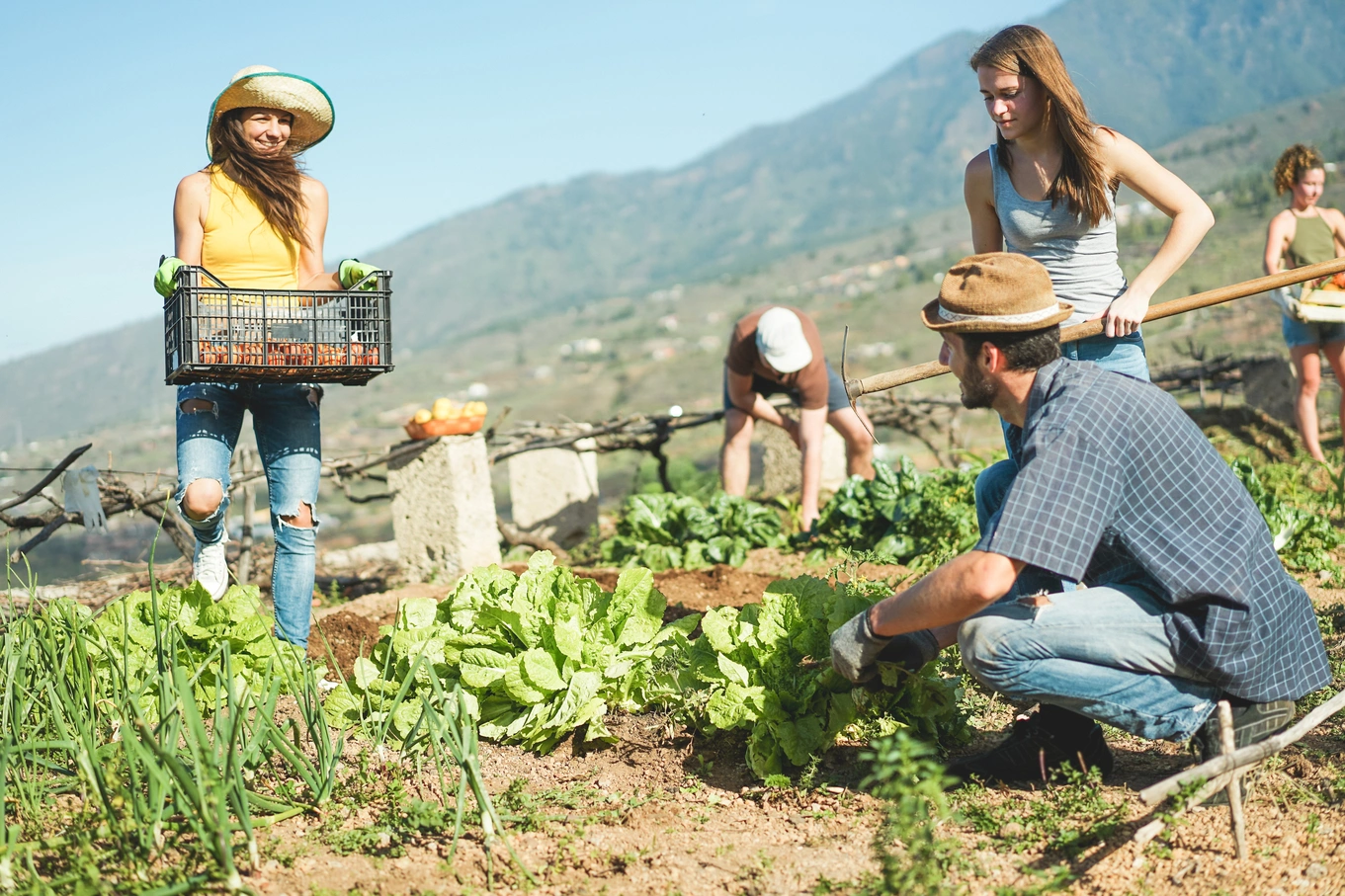
Weed control in organic farming is done through manual removal, mulching, and crop rotation.
Weeds compete with crops for nutrients and water, so timely removal is important for healthy plant growth.
Cover crops can also help suppress weed growth naturally.
Use of Compost Tea and Liquid Fertilizers
Compost tea is a liquid organic fertilizer made by soaking compost in water. It provides nutrients and beneficial microbes directly to plants.
Liquid fertilizers are quickly absorbed and help boost plant growth during critical stages.
These natural solutions improve crop vigor and soil biology at the same time.
Encouraging Biodiversity on Farms
Biodiversity plays an important role in organic farming. A diverse farm ecosystem includes different crops, insects, birds, and microorganisms.
This balance helps control pests naturally and improves soil fertility.
A healthy ecosystem reduces dependency on external inputs and supports long-term sustainability.
Common Mistakes in Organic Farming
Many farmers expect quick results, but organic farming takes time to build soil health. Overuse of compost or improper crop rotation can reduce effectiveness.
Ignoring pest monitoring or poor water management can also affect crop quality.
Consistency and patience are key to success in organic farming.
Benefits of Organic Farming Techniques
Organic farming techniques provide multiple long-term benefits:
• Healthier crops and better food quality
* Improved soil fertility and structure
* Reduced environmental pollution
* Lower long-term farming costs
* Better water conservation
* Sustainable agricultural systems
These benefits make organic farming a strong choice for future agriculture.
Conclusion
Organic farming techniques focus on building a balanced ecosystem where crops grow naturally strong and healthy. From soil management and composting to pest control and water conservation, each method contributes to sustainable crop production.
By adopting these techniques consistently, farmers can improve crop quality, increase productivity, and ensure long-term soil health without relying on harmful chemicals.