

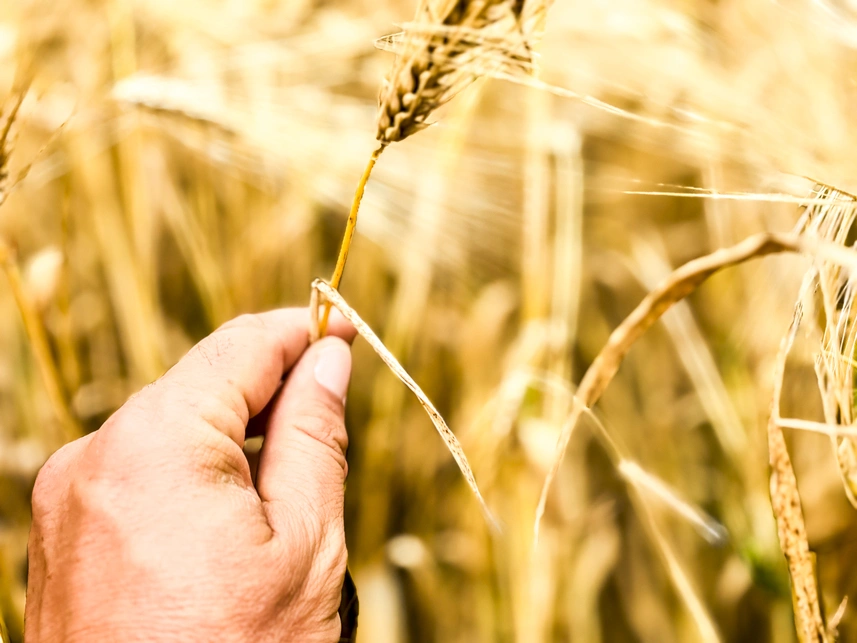


Introduction to Organic Manure and Soil Health
Organic manure plays a vital role in improving soil health and sustaining long-term agricultural productivity. It is made from natural materials such as animal waste, crop residues, compost, and plant-based matter. Unlike chemical fertilizers, organic manure works slowly but improves soil quality over time.
Healthy soil is the foundation of productive farming, and organic manure helps restore soil fertility, structure, and microbial activity naturally.
Improves Soil Structure
One of the key benefits of organic manure is its ability to improve soil structure. It helps bind soil particles together, creating better aeration and water movement.
Sandy soil becomes more moisture-retentive, while clay soil becomes less compact and easier to work with. This balanced structure supports strong root development in plants.
Enhances Soil Fertility
Organic manure provides essential nutrients such as nitrogen, phosphorus, potassium, and micronutrients required for plant growth.
These nutrients are released slowly, ensuring long-term fertility instead of quick but short-lived results.
This slow nutrient release reduces the risk of soil degradation caused by overuse of chemical fertilizers.
Increases Soil Microbial Activity
Healthy soil contains beneficial microorganisms that break down organic matter and support plant nutrition.
Organic manure increases the population of bacteria, fungi, and earthworms in the soil.
These organisms improve nutrient cycling and help plants absorb nutrients more efficiently.
Improves Water Retention Capacity
Soil treated with organic manure can retain more water compared to chemically treated soil.
This is especially useful in dry and semi-arid regions where water availability is limited.
Better water retention reduces irrigation needs and helps crops survive drought conditions.
Reduces Soil Erosion
Organic manure strengthens soil particles and improves soil binding, which helps reduce erosion caused by wind and water.
Strong soil structure prevents nutrient loss from the top layer of soil.
This ensures long-term productivity and sustainability of farmland.
Balances Soil pH Naturally
Soil pH affects nutrient availability for plants. Organic manure helps stabilize and balance soil pH levels naturally.
It reduces soil acidity and alkalinity over time, creating a favorable environment for plant growth.
This balance improves nutrient uptake and crop performance.
Reduces Dependence on Chemical Fertilizers
Continuous use of chemical fertilizers can damage soil health in the long run. Organic manure reduces this dependency by providing natural nutrients.
It restores soil fertility gradually, making farming more sustainable and cost-effective.
This also reduces input costs for farmers over time.
Improves Crop Yield and Quality
Soil enriched with organic manure produces healthier crops with better yield and quality.
Fruits and vegetables grown in organic-rich soil often have better taste, color, and nutritional value.
Strong root systems lead to more stable and productive plants.
Supports Sustainable Farming
Organic manure is an important part of sustainable agriculture. It promotes long-term soil health without harming the environment.
It reduces pollution caused by chemical runoff into water sources.
This makes farming more eco-friendly and resource-efficient.
Recycles Agricultural Waste
Organic manure is made from farm and household waste such as crop residues, animal dung, and kitchen waste.
This recycling process reduces waste accumulation and converts it into useful agricultural input.
It helps create a circular farming system where waste becomes a resource.
Improves Root Development
Healthy soil with organic manure allows plants to develop stronger and deeper root systems.
Strong roots help plants absorb more water and nutrients from the soil.
This leads to better plant stability and improved resistance to stress conditions.
Reduces Soil Toxicity
Excessive use of chemical fertilizers and pesticides can make soil toxic over time.
Organic manure helps detoxify the soil by restoring natural biological balance.
This creates a healthier growing environment for crops.
Long-Term Cost Benefits
Although organic manure may take time to show results, it reduces long-term farming costs.
Farmers spend less on chemical fertilizers and soil treatments over time.
Improved soil health also reduces crop failure risks and increases profitability.
Suitable for All Types of Crops
Organic manure can be used for vegetables, fruits, grains, and cash crops.
It is especially beneficial for organic farming systems where chemical-free production is required.
Its versatility makes it suitable for both small and large-scale farming.
Encourages Eco-Friendly Farming Practices
Using organic manure supports environmentally friendly farming practices.
It reduces greenhouse gas emissions associated with chemical fertilizer production.
This contributes to climate-friendly and sustainable agriculture systems.
Conclusion
Organic manure is one of the most effective ways to improve soil health naturally. It enhances soil structure, fertility, microbial activity, and water retention while reducing dependence on chemical fertilizers.
By using organic manure regularly, farmers can achieve healthier soil, better crop yield, and long-term sustainable farming success.