


Introduction to Crop Export Potential in Pakistan
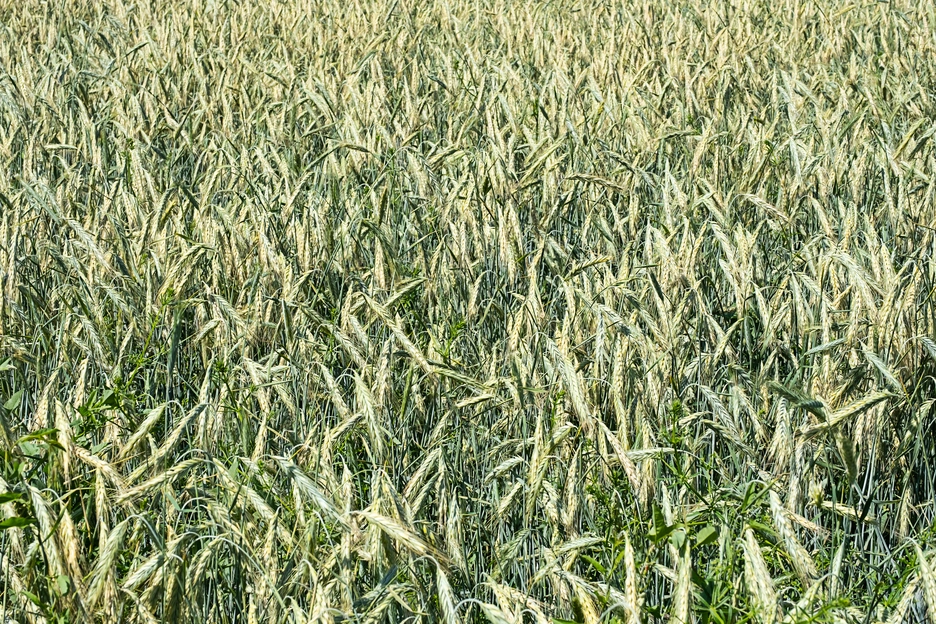
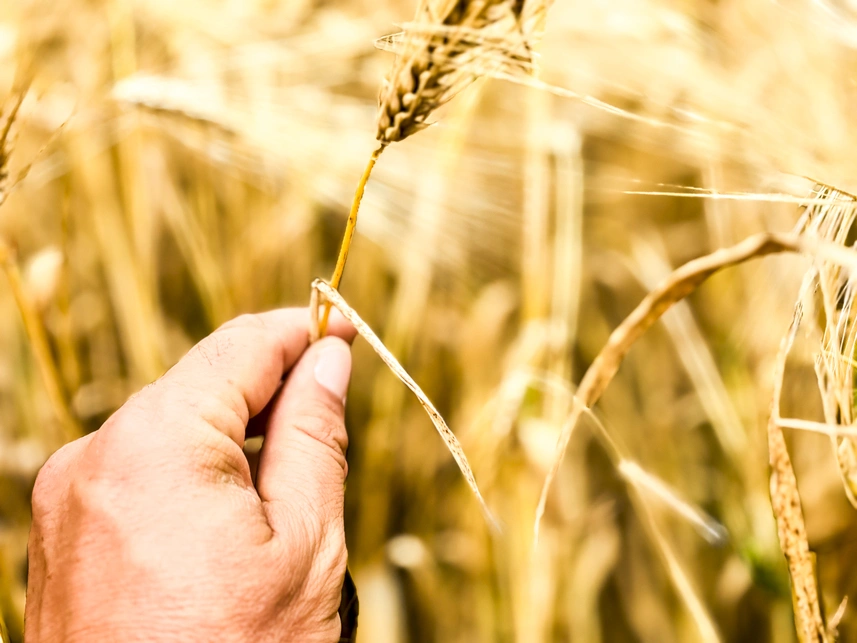
Pakistan has strong agricultural potential due to fertile land, diverse climate, and a wide range of crops. Despite this, crop exports are still below their true capacity.
By improving production quality, infrastructure, and market access, Pakistan can significantly increase its agricultural exports and earn higher foreign exchange.
Focus on High-Demand Export Crops
To increase exports, it is important to prioritize crops that already have strong global demand.
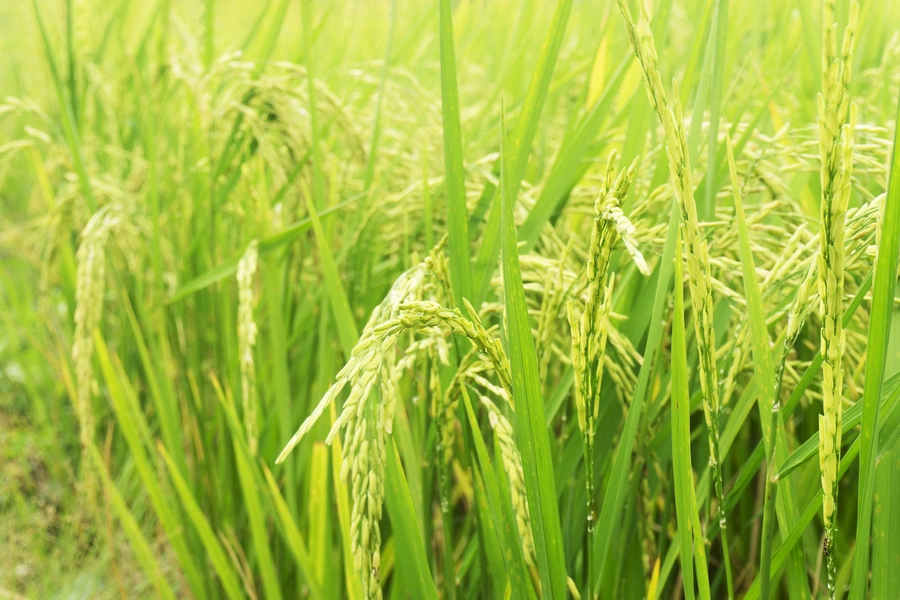
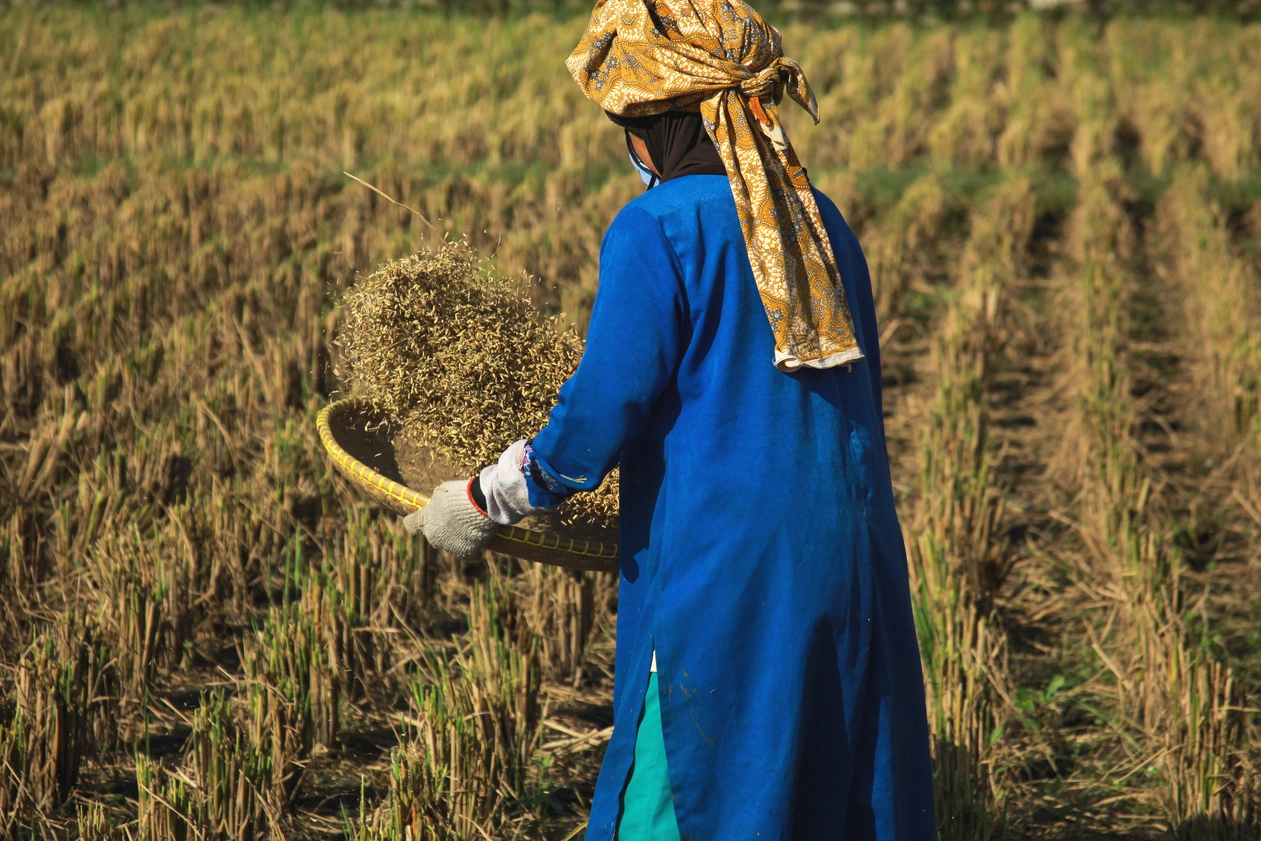
Rice, especially Basmati varieties, is one of Pakistan’s top export products. Similarly, mangoes, citrus fruits, and vegetables have high international demand.
Focusing on these crops ensures better market access and stable income for farmers.
Improve Crop Quality and Standards
International markets require strict quality standards for agricultural products.
Pakistan must improve grading, sorting, and packaging systems to meet global requirements.
Using certified seeds, proper fertilizers, and modern farming practices helps improve crop quality.
Modern Farming Techniques
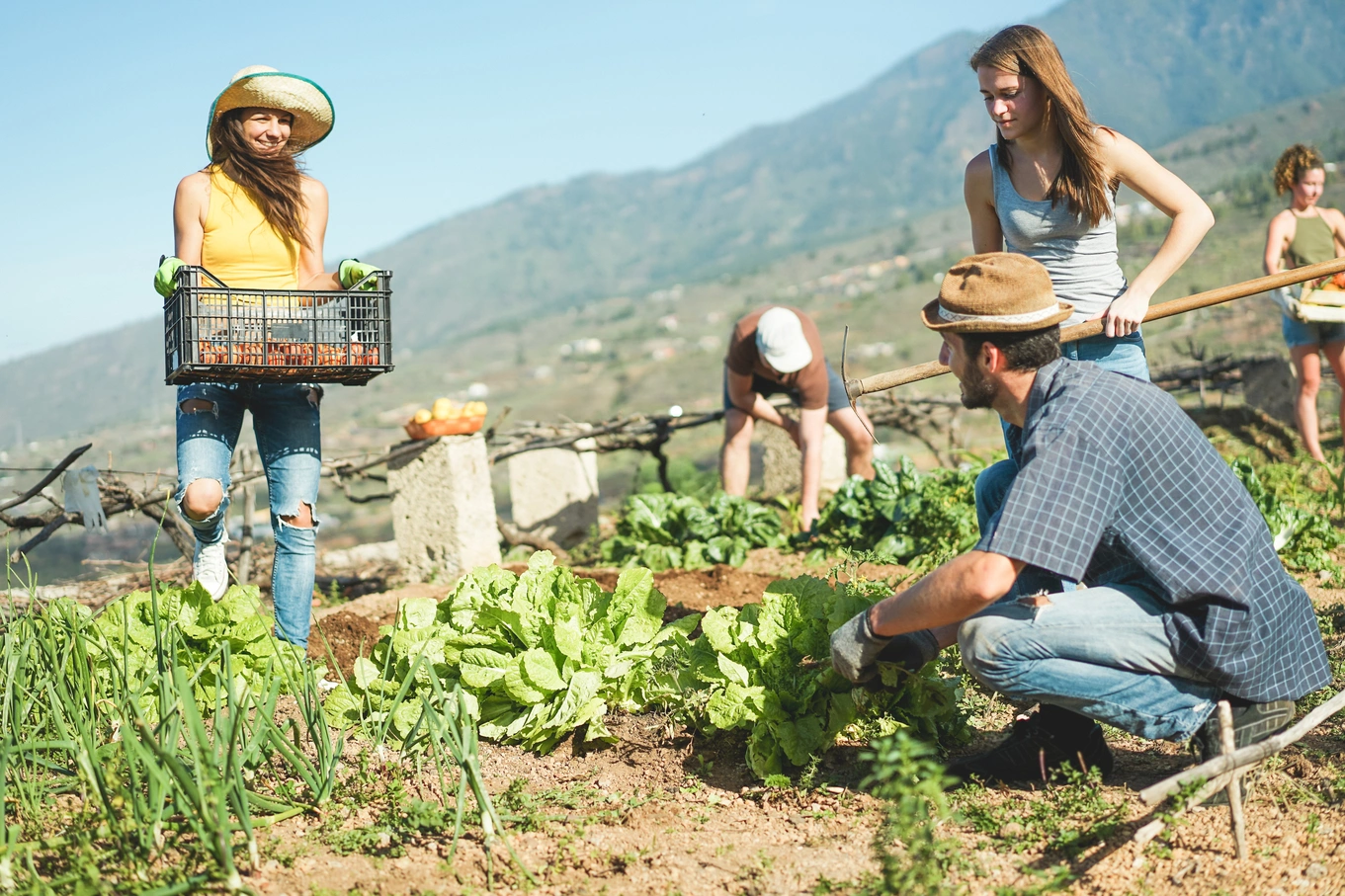
Adopting modern agriculture methods like drip irrigation, precision farming, and mechanization can increase both yield and quality.
Efficient water and nutrient management produce healthier crops suitable for export markets.
Technology-driven farming reduces waste and improves productivity.
Strengthening Cold Chain Infrastructure
Perishable goods like fruits and vegetables require proper storage and transportation systems.
Cold chain infrastructure helps maintain freshness from farm to international markets.
Lack of refrigeration and storage facilities currently causes significant post-harvest losses.
Value Addition in Agricultural Products
Instead of exporting raw crops, Pakistan can increase profits by adding value to agricultural products.
Examples include fruit juices, dried fruits, packaged rice, and processed vegetables.
Value-added products have higher demand and better profit margins in global markets.
Improve Packaging and Branding
Attractive and hygienic packaging plays an important role in international trade.
Proper labeling, branding, and certification increase product trust and marketability.
Modern packaging also extends shelf life and reduces damage during transport.
Government Support and Export Policies
Strong government policies are essential for boosting exports.
Export subsidies, tax relief, and training programs can encourage farmers and exporters.
Export facilitation centers help simplify documentation and certification processes.
Access to International Markets
Pakistan needs to expand its presence in global markets through trade agreements and partnerships.
Participation in international trade fairs helps connect local exporters with foreign buyers.
Improved market access increases demand for Pakistani agricultural products.
Use of Digital Platforms
Online platforms and digital marketplaces can help farmers and exporters reach global buyers directly.
E-commerce in agriculture reduces dependency on middlemen and improves profit margins.
Digital marketing also helps promote Pakistani agricultural products worldwide.
Certification and Compliance
Meeting international standards like GLOBALG.A.P, ISO, and organic certification is important for exports.
These certifications increase trust and ensure product safety in foreign markets.
Proper compliance helps avoid rejection at international borders.
Improve Transportation and Logistics
Efficient transport systems are essential for timely delivery of agricultural exports.
Better road networks, air freight facilities, and shipping services reduce delays and losses.
Fast logistics improve competitiveness in global markets.
Farmer Training and Education
Farmers need training in modern agriculture, export requirements, and quality standards.
Awareness programs can help improve farming practices and productivity.
Educated farmers contribute directly to higher export quality.
Research and Development
Investment in agricultural research can lead to better seed varieties and improved farming techniques.
R&D helps develop disease-resistant and high-yield crops suitable for export.
This strengthens long-term agricultural growth.
Reduce Post-Harvest Losses
A large portion of crops is lost after harvesting due to poor handling and storage.
Improving drying, storage, and transportation systems can significantly reduce these losses.
This increases the quantity available for export.
Encourage Organic Farming
Global demand for organic products is increasing rapidly.
Pakistan can benefit by promoting organic farming practices and certified organic exports.
Organic crops often receive premium prices in international markets.
Conclusion
Pakistan can significantly increase its crop exports by improving quality, adopting modern farming techniques, strengthening infrastructure, and expanding market access.
With proper planning and investment, the agriculture sector can become a major driver of economic growth and foreign exchange earnings.