




Introduction to Agricultural Export Business
The agricultural export business is one of the most profitable opportunities for beginners interested in agribusiness. It involves selling agricultural products such as crops, fruits, vegetables, and spices to international markets.
With growing global demand for food, starting an export business in agriculture can generate strong income if managed properly.
Why Choose Agricultural Export Business
Agriculture exports offer higher profit margins compared to local selling because international markets often pay premium prices for quality products.
It also provides access to a large customer base beyond local demand.
This business contributes to national economy and creates opportunities for farmers and traders.
Step 1: Select Exportable Agricultural Products
The first step is choosing the right products that have strong international demand.
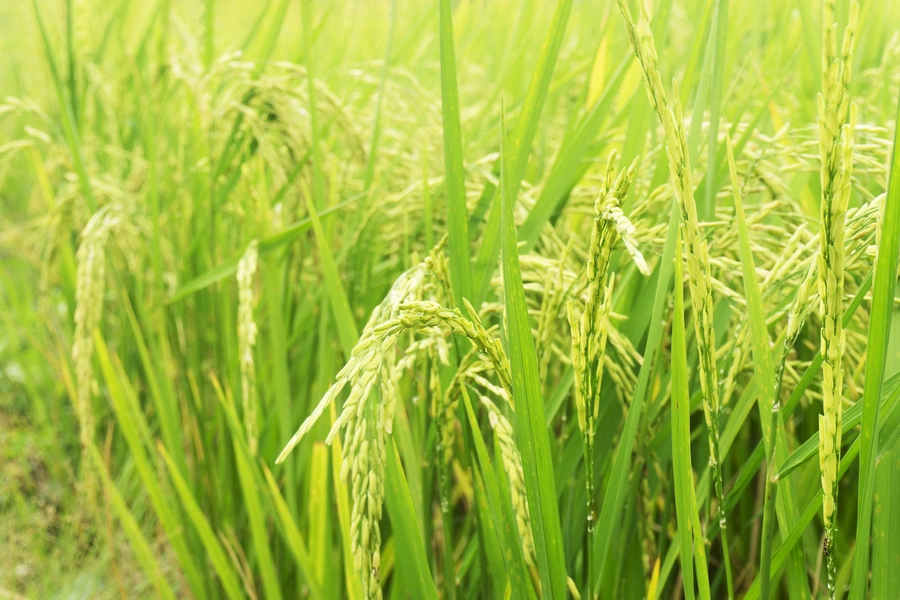
Common export items include rice, mangoes, citrus fruits, vegetables, spices, and dry fruits.
Beginners should focus on products that are easy to handle and have stable demand.
Step 2: Understand Market Demand
Before entering the export business, it is important to research international market trends.
Different countries have different preferences for quality, packaging, and pricing.
Understanding demand helps in selecting the right target markets.
Step 3: Ensure Quality Production
Quality is the most important factor in agricultural exports.
Use certified seeds, proper fertilizers, and modern farming techniques to produce high-quality crops.
Good quality products increase chances of acceptance in foreign markets.
Step 4: Learn Export Regulations
Every country has specific rules and regulations for importing agricultural products.
Exporters must understand documentation, quality standards, and certifications required for shipment.
Compliance with regulations prevents delays and rejection of goods.
Step 5: Obtain Required Licenses
Starting an export business requires proper registration and licensing from relevant government authorities.
Export licenses and tax registrations are necessary for legal operations.
Having proper documentation builds trust with international buyers.
Step 6: Focus on Packaging and Branding
Proper packaging plays a key role in agricultural exports.
It protects products during transportation and improves shelf life.
Attractive branding also helps in creating a strong market identity.
Step 7: Develop Supply Chain and Logistics
Efficient logistics are essential for timely delivery of perishable goods.
Cold storage, transportation, and warehousing must be properly managed.
A strong supply chain reduces losses and improves product quality on arrival.
Step 8: Find International Buyers
Connecting with buyers is a critical step in the export business.
Exporters can use online marketplaces, trade fairs, and business directories to find buyers.
Building long-term relationships ensures consistent orders.
Step 9: Use Digital Platforms
Online platforms make it easier for beginners to enter the export market.
Websites like Alibaba and global B2B marketplaces help connect sellers with international buyers.
Digital marketing also improves visibility of agricultural products.
Step 10: Ensure Payment Security
Secure payment methods are important in international trade.
Common methods include letters of credit (LC), advance payments, and bank transfers.
Using secure systems reduces financial risks.
Step 11: Maintain Product Consistency
Consistency in quality and supply builds trust with buyers.
Exporters must ensure that every shipment meets agreed standards.
Reliable supply increases chances of repeat business.
Step 12: Understand Pricing Strategy
Proper pricing is important for competitiveness in international markets.
Prices should cover production, packaging, transport, and profit margins.
Market research helps set realistic and competitive prices.
Step 13: Focus on Post-Harvest Management
Proper handling after harvesting is essential for export quality.
Cleaning, grading, sorting, and storage improve product value.
Reducing post-harvest losses increases export volume.
Step 14: Build Strong Business Network
Networking with farmers, suppliers, exporters, and logistics companies is essential.
A strong network helps improve efficiency and business growth.
Collaboration also reduces operational challenges.
Challenges in Agricultural Export Business
Beginners may face challenges like market competition, price fluctuations, and strict quality requirements.
Lack of infrastructure and logistics issues can also affect performance.
Proper planning and knowledge can help overcome these challenges.
Conclusion
The agricultural export business offers excellent opportunities for beginners who are willing to learn and invest in quality production and proper management.
By focusing on product quality, market research, logistics, and strong buyer relationships, beginners can build a successful and profitable export business.