



Introduction to Low Investment Farming Business
Starting a farming business does not always require large capital. With proper planning, smart crop selection, and efficient use of resources, even small investments can generate steady income.
The key is to start small, focus on quick returns, and gradually expand based on profits.
Choose the Right Type of Farming
Low investment farming depends on selecting the right activities that require minimal cost but offer good returns.
Vegetable farming, poultry, mushroom cultivation, and herb farming are some of the best options for beginners.
These businesses require less land and basic equipment to get started.
Start with Small Land or Backyard Farming
You don’t need large farmland to begin. Even a backyard, rooftop, or small rented plot can be used effectively.
Focus on intensive farming methods that maximize output from limited space.
Vertical gardening and container farming are also useful for urban areas.
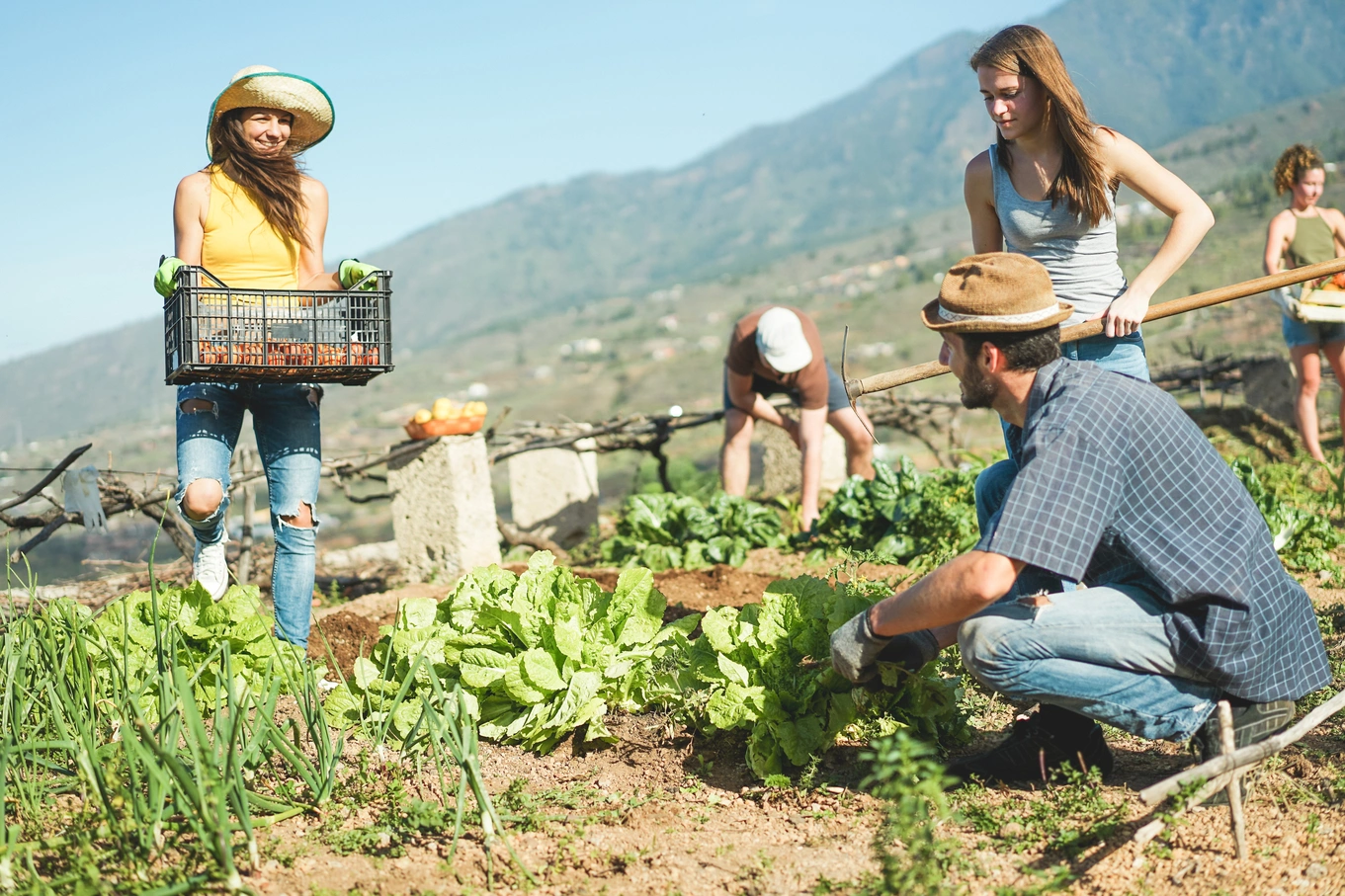
Vegetable Farming for Quick Returns
Vegetables are one of the fastest-growing and most profitable low investment options.
Crops like spinach, coriander, tomatoes, chilies, and okra grow quickly and have strong market demand.
They provide regular income and can be sold locally without complex logistics.
Use Seasonal Crops Wisely
Seasonal farming helps reduce risk and cost. Growing crops according to weather conditions improves yield and reduces input expenses.
Farmers should choose crops that match local climate conditions for better success.
This also reduces dependency on expensive climate control systems.
Organic Farming on a Budget
Organic farming can be started with very low investment using natural fertilizers like compost and manure.
It eliminates the need for expensive chemical inputs.
Organic vegetables often sell at higher prices in local markets.
Start Poultry Farming at Small Scale
Small poultry units can be started with limited capital using 20–50 birds initially.
Broiler chickens and egg production provide daily income opportunities.
Proper feeding and disease management are important for success.
Mushroom Farming Business
Mushroom cultivation is highly profitable and requires very little space and investment.
It can be started indoors using simple setups and controlled conditions.
Demand is strong in hotels, restaurants, and local markets.
Herb and Medicinal Plant Farming
Growing herbs like mint, basil, and aloe vera requires low maintenance and cost.
These plants grow quickly and have good demand in food and pharmaceutical industries.
They are ideal for beginners with limited budgets.
Use Simple Irrigation Methods
Instead of expensive irrigation systems, beginners can start with basic drip or manual watering methods.
Water conservation techniques reduce operational costs significantly.
Efficient water use improves crop health and reduces waste.
Reuse and Recycle Resources
Low investment farming relies heavily on using available resources efficiently.
Organic waste can be converted into compost, reducing fertilizer costs.
Old containers and materials can be reused for planting.
Sell Directly in Local Markets
Direct selling helps farmers avoid middlemen and increase profit margins.
Local markets, roadside stalls, and small retailers are good starting points.
This also helps build customer relationships and regular demand.
Use Digital Platforms for Sales
Social media and online platforms can be used to promote farm products at no cost.
WhatsApp, Facebook groups, and local delivery apps help reach more buyers.
Digital marketing improves visibility and sales opportunities.
Start with Low-Cost Equipment
Beginners should avoid expensive machinery at the start.
Simple tools like hand sprayers, basic irrigation kits, and manual tools are enough initially.
Equipment can be upgraded later as the business grows.
Focus on High Demand Products
Choosing crops and products with consistent demand ensures stable income.
Vegetables, eggs, milk, herbs, and fruits are always in demand in local markets.
This reduces market risk and improves cash flow.
Learn and Improve Continuously
Farming is a learning process. Beginners should continuously learn new techniques and improve practices.
Training programs, YouTube tutorials, and local agricultural experts can help improve knowledge.
Better skills lead to higher productivity and profit.
Conclusion
Starting a farming business with low investment is possible with smart planning, small-scale production, and efficient resource use. By focusing on vegetables, poultry, mushrooms, and herbs, beginners can build a strong income source.
With gradual expansion and better management, small farming can grow into a successful and sustainable business.