






Introduction to Homemade Pest Control Remedies
Crop pests are a major challenge for farmers, often reducing yield and damaging plant health. While chemical pesticides are widely used, they can be expensive and harmful to soil and beneficial insects.
Homemade remedies offer a low-cost, eco-friendly, and safe alternative for controlling common agricultural pests without damaging the environment.
Why Choose Homemade Pest Remedies
Homemade solutions are easy to prepare using locally available ingredients such as plants, spices, and kitchen waste.
They are safer for crops, humans, and beneficial insects like bees and earthworms.
These remedies also reduce farming costs and support organic farming practices.
Neem Leaf Spray
Neem leaves are one of the most powerful natural pest control ingredients. They contain compounds that repel and disrupt insect growth.
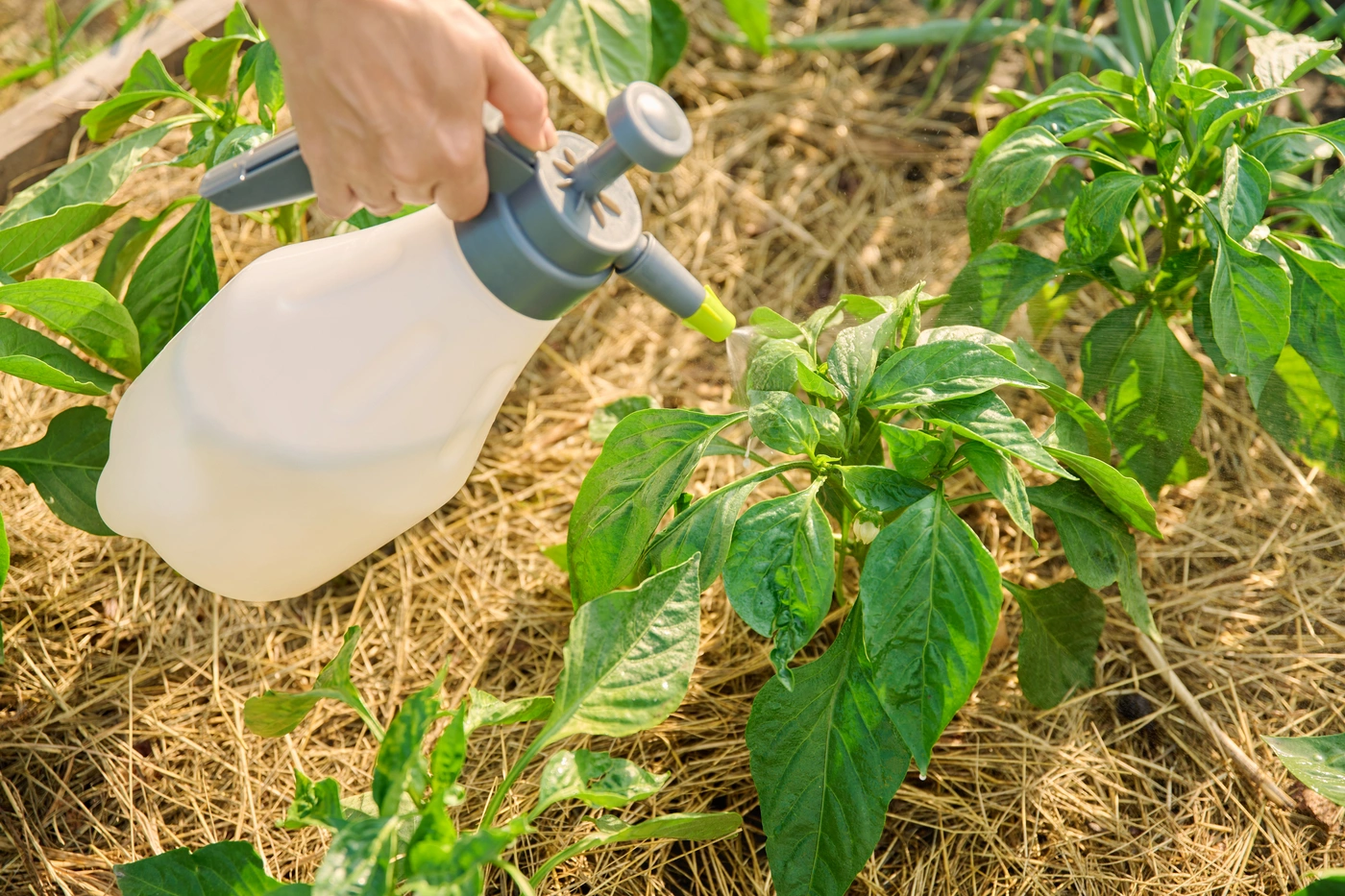
To prepare neem spray, boil neem leaves in water, let it cool, and spray it on crops.
This solution is effective against aphids, whiteflies, caterpillars, and many other pests.
Garlic Spray for Insects
Garlic has strong natural insect-repelling properties due to its pungent smell and sulfur compounds.
Crush garlic cloves, mix with water, and strain the solution before spraying on plants.
It helps protect crops from soft-bodied insects and fungal infections.
Chili Pepper Spray
Chili contains capsaicin, which acts as a natural irritant for insects and pests.
Blend chili peppers with water, strain the mixture, and spray it on affected plants.
This remedy is effective for repelling caterpillars and beetles.
Soap Water Solution
Soap water helps control small insects by breaking their protective outer layer.
Mix mild liquid soap with water and spray it directly on infected plants.
It is especially useful for controlling aphids and mites.
Onion Spray for Pest Control
Onions contain natural compounds that repel insects and reduce pest infestation.
Blend onions with water, strain, and spray on crops for best results.
This method is simple and effective for small-scale farming.
Tobacco Solution
Tobacco leaves contain nicotine, which acts as a natural insecticide.
Soak tobacco in water for several hours and spray the filtered solution on plants.
It helps control chewing and sucking insects.
Neem Oil Spray
Neem oil is one of the most widely used natural pest control solutions in organic farming.
Mix neem oil with water and a small amount of soap for better mixing and spray on crops.
It disrupts insect feeding and reproduction cycles effectively.
Wood Ash Application
Wood ash can be sprinkled around plants to deter insects and soil pests.
It also improves soil potassium levels and reduces fungal infections.
This is a simple and cost-free method for pest management.
Milk Spray for Fungal Control
Milk contains natural proteins and enzymes that help control fungal diseases and some pests.
Dilute milk with water and spray it on leaves regularly.
It improves plant immunity and reduces disease spread.
Hot Pepper and Garlic Mix
A combination of chili, garlic, and onion creates a strong natural pesticide.
Blend all ingredients with water, strain, and spray on crops for maximum effectiveness.
This mixture works well against multiple insect types.
Essential Oil Sprays
Essential oils like eucalyptus, peppermint, and citronella act as natural repellents.
Mix a few drops with water and spray on plants to keep pests away.
They are safe and environmentally friendly.
Companion Planting Support
Growing pest-repelling plants like marigold, basil, and mint alongside crops helps naturally reduce pest attacks.
These plants confuse and repel harmful insects.
This method improves biodiversity and crop protection.
Regular Crop Monitoring
Early detection of pests is essential for effective control using homemade remedies.
Farmers should inspect fields regularly for signs of infestation.
Timely action prevents large-scale crop damage.
Advantages of Homemade Remedies
Homemade pest control solutions are low-cost, safe, and easy to prepare using natural ingredients.
They reduce dependency on chemical pesticides and support organic farming practices.
They also help maintain soil health and protect beneficial insects.
Limitations of Homemade Remedies
These remedies may require frequent application and may not provide instant results like chemical pesticides.
Severe infestations may need combined approaches for effective control.
Consistency and proper application are key for success.
Conclusion
Homemade remedies for crop pests offer a safe, affordable, and eco-friendly alternative to chemical pesticides. Ingredients like neem, garlic, chili, and soap solutions can effectively control pests while protecting soil health and the environment.
By using these natural methods regularly, farmers can maintain healthy crops, reduce costs, and support sustainable agriculture.