


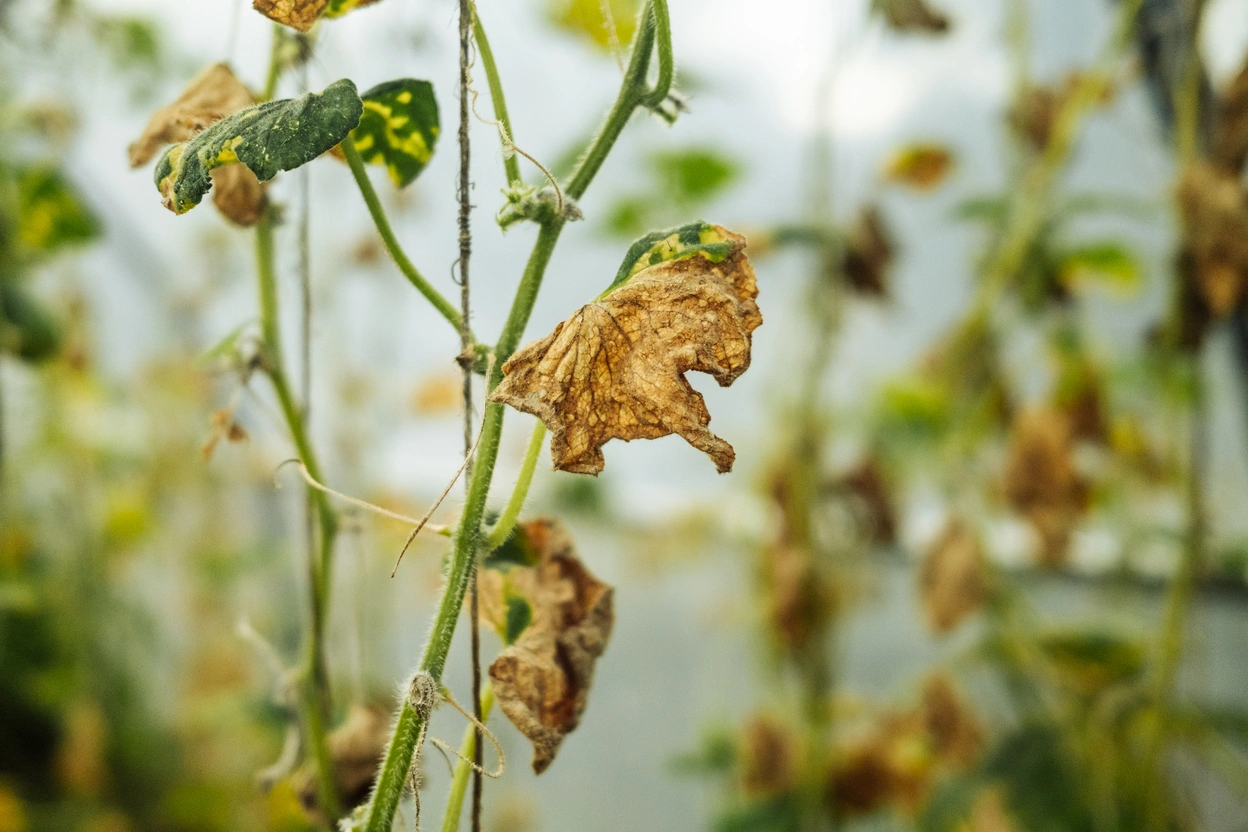
Introduction to Crop Disease Prevention
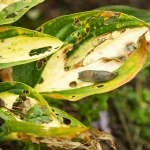
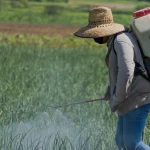
Crop diseases are one of the major reasons for yield loss in agriculture. Fungal, bacterial, and viral infections can spread quickly in fields and damage large portions of crops if not managed properly.
Preventing crop loss from diseases requires a combination of good farming practices, early detection, and proper field management.
Importance of Disease Prevention in Farming
Once a crop is infected, controlling the disease becomes difficult and costly. Prevention is always more effective than cure in agriculture.
Healthy crops ensure better yield, improved quality, and higher market value for farmers.
Preventing diseases also reduces the need for chemical treatments and lowers production costs.
Use of Disease-Free Seeds
Starting with certified and disease-free seeds is the first step in preventing crop loss.
Infected seeds can carry pathogens that spread diseases throughout the field.
Using high-quality seeds ensures strong plant growth and reduces early-stage infections.
Crop Rotation Practices
Crop rotation helps break the life cycle of soil-borne diseases.
Growing different crops in a planned sequence prevents pathogens from building up in the soil.
This method improves soil health and reduces disease pressure over time.
Proper Field Sanitation
Keeping fields clean is essential for disease prevention.
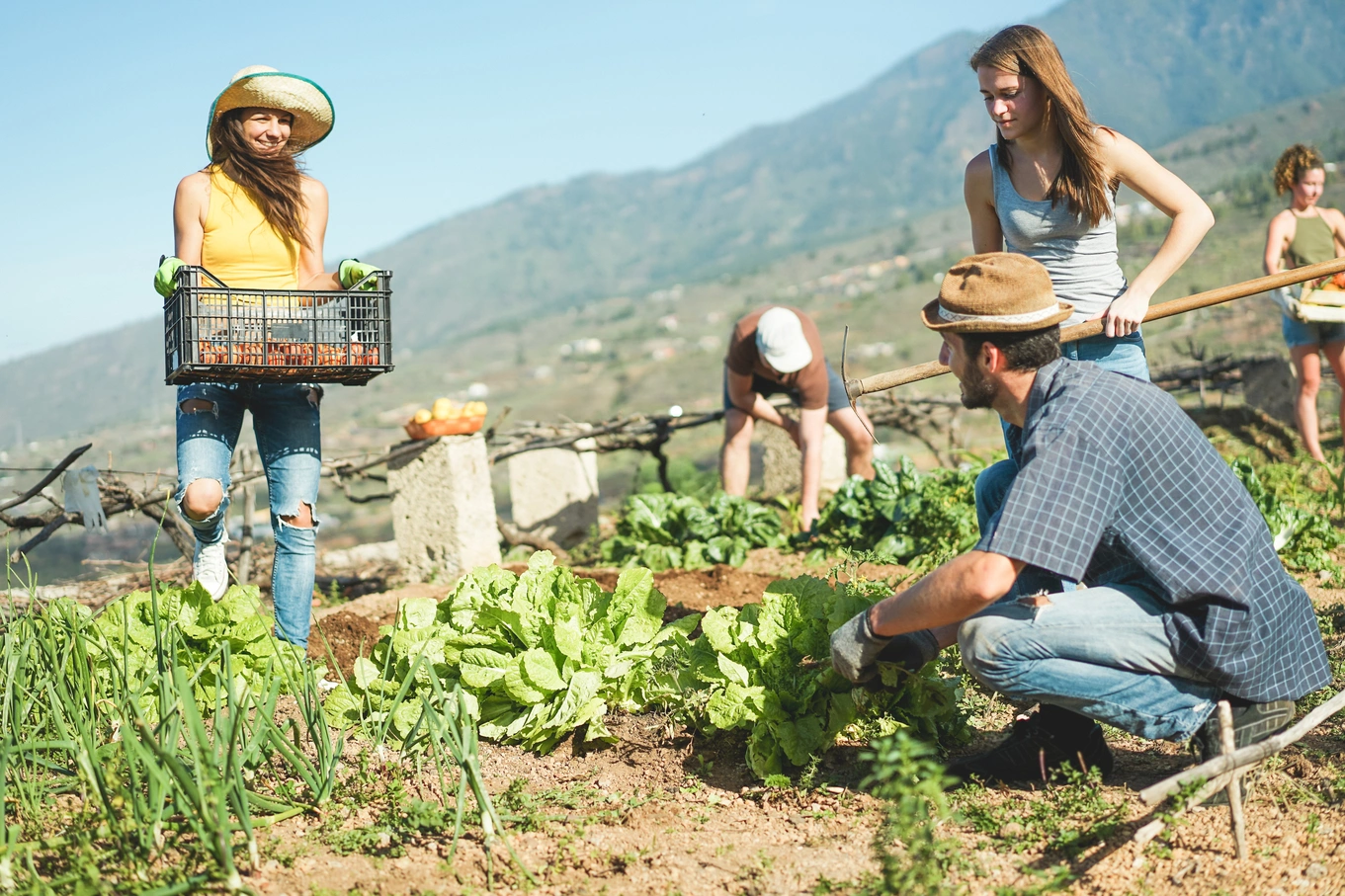
Removing infected plants, weeds, and crop residues reduces sources of infection.
Clean farming practices help prevent the spread of pathogens across the field.
Balanced Fertilizer Use
Overuse or imbalance of fertilizers can weaken plants and make them more vulnerable to diseases.
Proper nutrient management strengthens plant immunity and resistance.
Soil testing helps farmers apply the right amount of nutrients for healthy crop growth.
Avoid Overwatering
Excess moisture creates a favorable environment for fungal and bacterial diseases.
Proper irrigation scheduling helps maintain optimal soil moisture levels.
Drip irrigation systems can reduce water-related disease risks.
Use of Resistant Crop Varieties
Planting disease-resistant varieties is an effective way to reduce crop loss.
These varieties are bred to withstand specific diseases and environmental conditions.
They provide long-term protection and improve farming stability.
Proper Spacing Between Plants
Good plant spacing improves air circulation and reduces humidity in the crop canopy.
This helps prevent the spread of fungal diseases.
Proper spacing also allows better sunlight penetration and healthier plant growth.
Timely Disease Monitoring
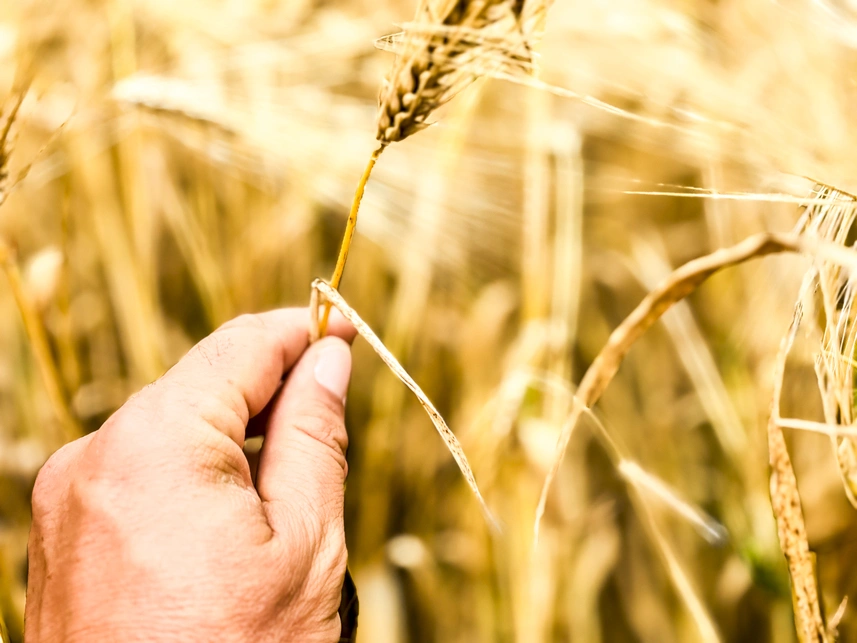
Regular field inspection helps detect early signs of disease infection.
Early identification allows farmers to take quick action before the disease spreads.
Monitoring crops frequently is a key part of effective disease management.
Use of Organic Treatments
Natural solutions like neem oil, garlic spray, and baking soda mixtures can help control early-stage diseases.
These treatments are safe and do not harm beneficial insects or soil health.
They are commonly used in organic farming systems.
Fungal Disease Prevention Techniques
Fungal infections such as powdery mildew and rust can be controlled by reducing humidity and improving airflow.
Applying organic fungicides and removing infected leaves helps control spread.
Proper field drainage also reduces fungal growth conditions.
Bacterial Disease Management
Bacterial diseases spread through water, tools, and infected plant material.
Using clean irrigation water and sterilized tools helps prevent infection.
Removing infected plants quickly is essential to stop spread.
Viral Disease Control
Viral diseases are often spread by insects like aphids and whiteflies.
Controlling insect populations helps reduce virus transmission.
Using resistant varieties is the most effective way to manage viral diseases.
Proper Irrigation Management
Water management plays a key role in disease prevention.
Overhead irrigation can spread pathogens between plants.
Drip irrigation is a better option as it delivers water directly to roots.
Use of Mulching
Mulching helps reduce soil splash and prevents soil-borne diseases from reaching plant leaves.
It also maintains soil moisture and reduces weed growth.
This creates a healthier growing environment for crops.
Crop Nutrition and Plant Strength
Healthy plants are more resistant to diseases. Proper nutrition strengthens plant cell walls and improves immunity.
Organic fertilizers and compost improve soil fertility and plant health.
Balanced nutrition reduces disease susceptibility.
Conclusion
Preventing crop loss from diseases requires a combination of good farming practices, proper planning, and regular monitoring. Methods like crop rotation, disease-free seeds, balanced irrigation, and organic treatments play a vital role in protecting crops.
By adopting these techniques, farmers can reduce losses, improve yield, and ensure long-term agricultural success.