


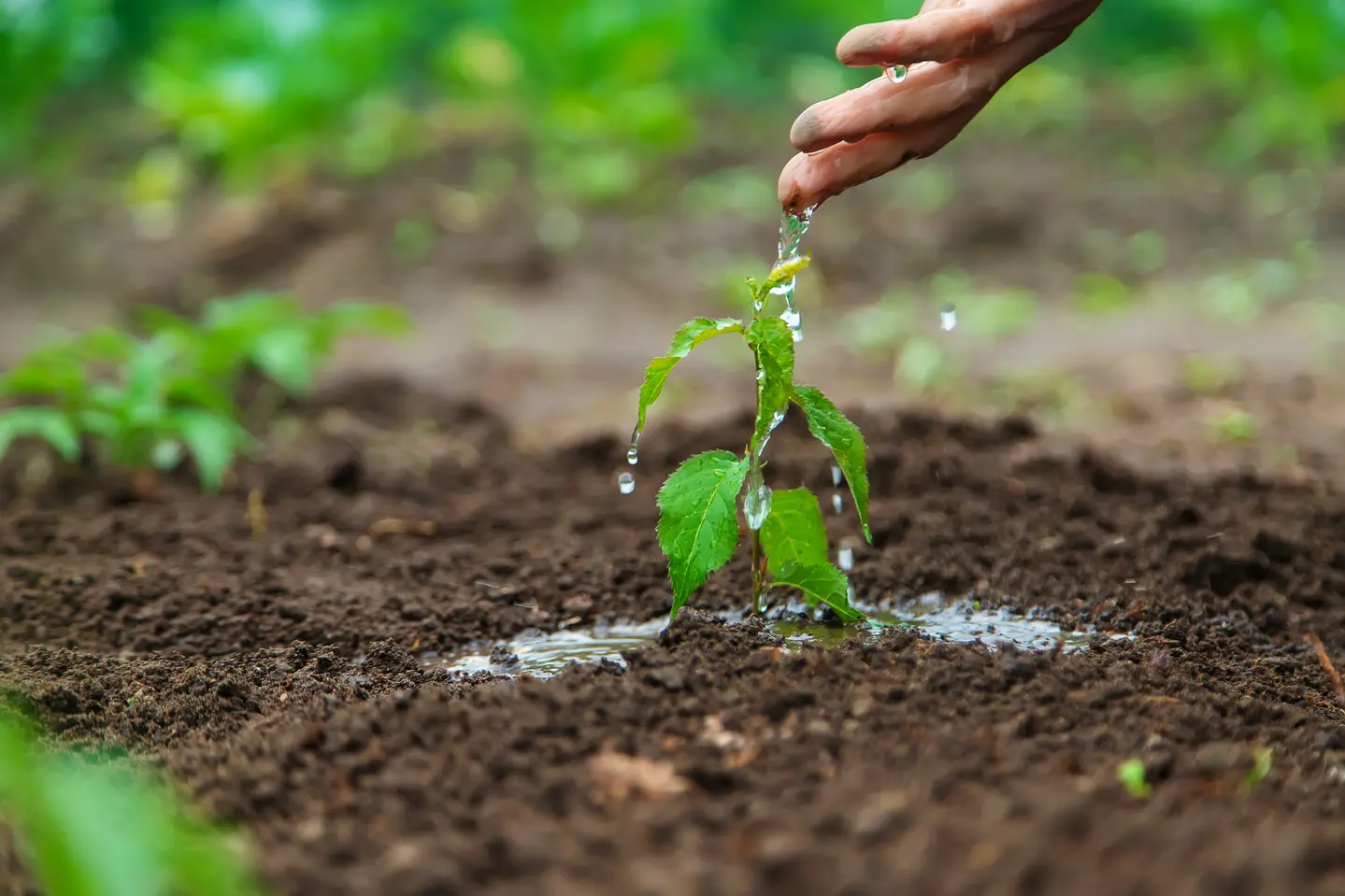
Introduction to Water Conservation in Agriculture
Water is one of the most critical inputs in farming, and its availability directly impacts crop productivity. With increasing water scarcity, farmers need efficient methods to conserve and manage water wisely.
Water conservation in agriculture focuses on reducing wastage, improving irrigation efficiency, and using available water in a sustainable way.
Importance of Water Conservation for Farmers
Agriculture consumes a large share of freshwater resources, and inefficient usage leads to depletion of groundwater levels.
Conserving water helps farmers reduce costs, increase crop yield, and ensure long-term farming sustainability.
It also protects the environment by reducing pressure on natural water resources.
Drip Irrigation System
Drip irrigation is one of the most effective water-saving techniques in modern farming. It delivers water directly to the plant roots in small, controlled amounts.
This method reduces evaporation and runoff losses, making water use highly efficient.
It is especially suitable for vegetables, fruits, and orchards.
Sprinkler Irrigation Method
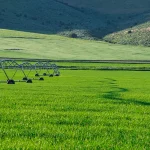
Sprinkler irrigation simulates natural rainfall by spraying water over crops through a network of pipes and nozzles.
It ensures uniform water distribution and reduces wastage compared to flood irrigation.
This method is useful for field crops and uneven land surfaces.
Mulching Technique
Mulching involves covering the soil surface with organic materials like straw, leaves, or plastic sheets.
It reduces water evaporation from the soil and helps retain moisture for longer periods.
Mulching also suppresses weed growth and improves soil temperature regulation.
Rainwater Harvesting
Rainwater harvesting collects and stores rainwater for future agricultural use.
This water can be stored in ponds, tanks, or underground reservoirs.
It reduces dependence on groundwater and provides a reliable water source during dry seasons.
Contour Farming
Contour farming involves plowing and planting across the slope of land rather than up and down.
This technique slows down water runoff and allows better water absorption into the soil.
It is highly effective in hilly and sloped agricultural areas.
Use of Drought-Resistant Crops
Planting drought-resistant crop varieties helps reduce water demand in farming.
These crops require less irrigation and can survive in dry conditions.
This method is useful in regions with limited water availability.
Efficient Irrigation Scheduling
Proper timing of irrigation ensures that water is applied only when needed.
Over-irrigation leads to wastage, while under-irrigation affects crop growth.
Using soil moisture monitoring helps optimize irrigation schedules.
Laser Land Leveling
Laser land leveling creates a uniform field surface, allowing even distribution of water across the field.
It reduces water runoff and improves irrigation efficiency.
This technique is widely used in large-scale farming.
Reuse of Agricultural Water
Recycling and reusing irrigation runoff water can help conserve water resources.
Filtered and treated water can be reused for irrigation purposes.
This reduces overall freshwater demand in farming operations.
Proper Maintenance of Irrigation Systems
Leaking pipes and faulty irrigation systems can lead to significant water loss.
Regular inspection and maintenance ensure efficient water delivery.
Fixing leaks promptly helps conserve water and improve system performance.
Cover Cropping
Cover crops protect soil from direct sunlight and reduce evaporation.
They also improve soil structure and increase moisture retention capacity.
This technique supports long-term water conservation and soil health.
Use of Smart Irrigation Systems
Modern smart irrigation systems use sensors and automation to control water supply based on soil moisture and weather conditions.
These systems help farmers avoid overwatering and improve water efficiency.
They are especially useful in precision agriculture.
Crop Rotation Practices
Crop rotation helps maintain soil moisture balance and reduces water demand over time.
Different crops have different water requirements, and rotation improves resource utilization.
It also enhances soil fertility and reduces pest problems.
Benefits of Water Conservation in Agriculture
Water conservation techniques help reduce irrigation costs, improve crop yield, and maintain soil health.
They also ensure sustainable use of groundwater resources for future generations.
Efficient water management increases overall farm profitability.
Challenges in Water Conservation
Farmers may face challenges such as lack of awareness, high initial cost of modern systems, and limited technical knowledge.
Government support and training programs can help overcome these barriers.
Proper education is essential for successful adoption of water-saving methods.
Conclusion
Water conservation in agriculture is essential for sustainable farming and long-term food security. By using methods like drip irrigation, mulching, rainwater harvesting, and smart irrigation systems, farmers can significantly reduce water wastage.
Efficient water management not only improves crop productivity but also protects valuable natural resources for the future.