


Introduction to Precision Agriculture
Precision agriculture is transforming modern farming by using technology, data, and automation to improve crop production and resource management. Traditional farming methods often apply the same amount of water, fertilizer, and pesticides across entire fields, even though different areas may have different needs. Precision agriculture solves this problem by helping farmers make accurate, data-driven decisions.
As global food demand increases and farming costs continue to rise, precision agriculture is becoming the future of sustainable and profitable farming.
What is Precision Agriculture?
Precision agriculture, also known as smart farming, is a farming approach that uses modern technology to monitor, measure, and manage crops more efficiently.
It combines tools like GPS systems, sensors, drones, satellite imagery, artificial intelligence, and automated machinery to optimize farming activities.
The main goal is simple: produce more with fewer resources while reducing waste and environmental impact.
How Precision Agriculture Works
Precision agriculture works by collecting real-time data from fields and using that information to make better farming decisions.
For example, soil sensors can identify areas with low moisture, drones can detect pest infestations, and GPS-guided machinery can apply fertilizers only where needed.
Instead of treating the entire field equally, farmers manage each section based on its actual condition.
Importance of Precision Agriculture
Modern farming faces several challenges including climate change, water shortages, rising fertilizer costs, and labor shortages. Precision agriculture helps solve these issues by increasing efficiency and reducing unnecessary input use.
It also improves crop quality, increases yield, and supports long-term sustainability by protecting soil and water resources.
GPS Technology in Farming
Global Positioning System (GPS) technology is one of the core components of precision agriculture. GPS-guided tractors and machinery allow farmers to plant, spray, and harvest with high accuracy.
This reduces overlap and minimizes wastage of seeds, fertilizers, and pesticides. It also saves fuel and labor costs.
GPS technology is especially useful in large-scale farming operations where manual precision is difficult to maintain.
Role of Drones in Precision Agriculture
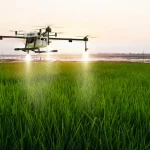
Drones are becoming increasingly popular in modern farming. They provide aerial views of fields and help farmers monitor crop health quickly.
Drones can identify stressed plants, pest attacks, waterlogged areas, and nutrient deficiencies before they become serious problems.
Some advanced drones are also used for spraying pesticides and fertilizers, reducing labor requirements and improving application accuracy.
Soil Sensors and Smart Monitoring
Soil sensors are used to measure moisture, temperature, nutrient levels, and soil conditions in real time.
These sensors help farmers apply water and fertilizers only when necessary, reducing waste and improving plant health.
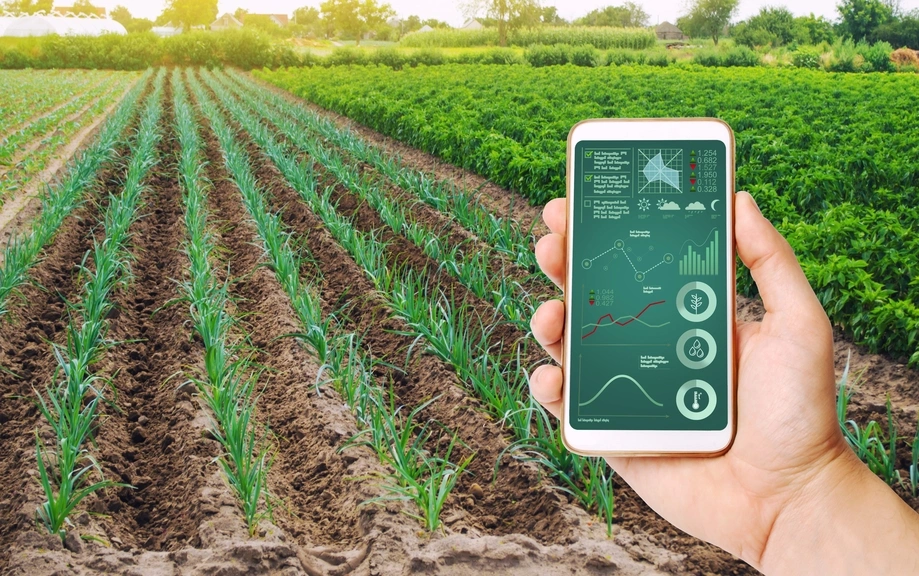
Smart monitoring systems provide alerts through mobile apps, allowing farmers to make timely decisions even when away from the field.
Satellite Imaging and Field Mapping
Satellite imagery helps farmers analyze large farming areas and detect variations in crop growth.
Field mapping allows farmers to divide land into zones based on soil type, productivity, or moisture conditions. This helps in site-specific management where each area receives customized treatment.
Satellite data also helps predict crop performance and monitor seasonal changes.
Variable Rate Technology (VRT)
Variable Rate Technology is one of the most powerful tools in precision farming. It allows machinery to apply different amounts of fertilizers, seeds, or pesticides in different parts of the field.
For example, nutrient-rich areas may require less fertilizer while weaker areas need more support.
This targeted approach reduces input costs and improves overall productivity.
Artificial Intelligence and Data Analytics
Artificial intelligence (AI) plays a growing role in agriculture by analyzing farming data and providing recommendations.
AI systems can predict weather patterns, disease outbreaks, irrigation needs, and yield estimates.
Data analytics helps farmers identify trends and make long-term strategic decisions based on real field performance instead of guesswork.
Automated Machinery and Robotics
Automation is changing how farms operate. Self-driving tractors, robotic weeders, and automated harvesters reduce dependency on manual labor.
Robotics improve accuracy and efficiency, especially in repetitive farming tasks. Automated systems also work faster and reduce operational costs over time.
As labor shortages increase globally, automation will become even more important in agriculture.
Precision Irrigation Systems
Water management is a major challenge in farming, especially in drought-prone regions. Precision irrigation systems use sensors and weather data to deliver water only where and when needed.
Drip irrigation combined with smart controllers reduces water wastage and improves crop health.
This approach not only saves water but also lowers electricity and pumping costs.
Benefits of Precision Agriculture
Precision agriculture offers multiple benefits for farmers:
• Higher crop yields
* Reduced fertilizer and pesticide costs
* Better water management
* Improved soil health
* Lower environmental impact
* Faster decision-making through real-time data
* Reduced labor dependency
These benefits make farming more profitable and sustainable in the long term.
Challenges of Precision Agriculture
Despite its advantages, precision agriculture also faces challenges. High initial investment is one of the biggest barriers, especially for small farmers.
Advanced equipment, drones, and smart systems can be expensive. Farmers also need technical knowledge to operate and interpret data correctly.
Internet connectivity and electricity issues in rural areas can also limit adoption in some regions.
Precision Agriculture for Small Farmers
Although precision farming is often associated with large farms, small farmers can also benefit from affordable technologies.
Mobile apps, low-cost soil sensors, and shared drone services are making smart farming more accessible.
Governments and agricultural organizations are also supporting digital farming through subsidies and training programs.
Environmental Impact of Smart Farming
Precision agriculture supports environmental sustainability by reducing excessive use of chemicals and water.
Targeted fertilizer application lowers soil and water pollution, while efficient irrigation conserves natural resources.
Healthier soil and reduced carbon emissions contribute to more sustainable agricultural systems for future generations.
Future of Precision Agriculture
The future of farming is becoming increasingly technology-driven. Artificial intelligence, machine learning, robotics, and Internet of Things (IoT) devices will continue transforming agriculture.
Future farms may rely heavily on autonomous machinery, predictive analytics, and fully automated irrigation and nutrient systems.
As technology becomes more affordable, precision agriculture is expected to become standard practice rather than an advanced option.
Conclusion
Precision agriculture is revolutionizing the farming industry by combining technology with data-driven decision-making. It helps farmers improve productivity, reduce costs, and use resources more efficiently.
From GPS-guided tractors and drones to AI-powered analytics and smart irrigation systems, precision farming represents the future of sustainable agriculture.
Farmers who adopt these modern practices early will be better prepared to face future agricultural challenges while increasing profitability and long-term farm sustainability.