


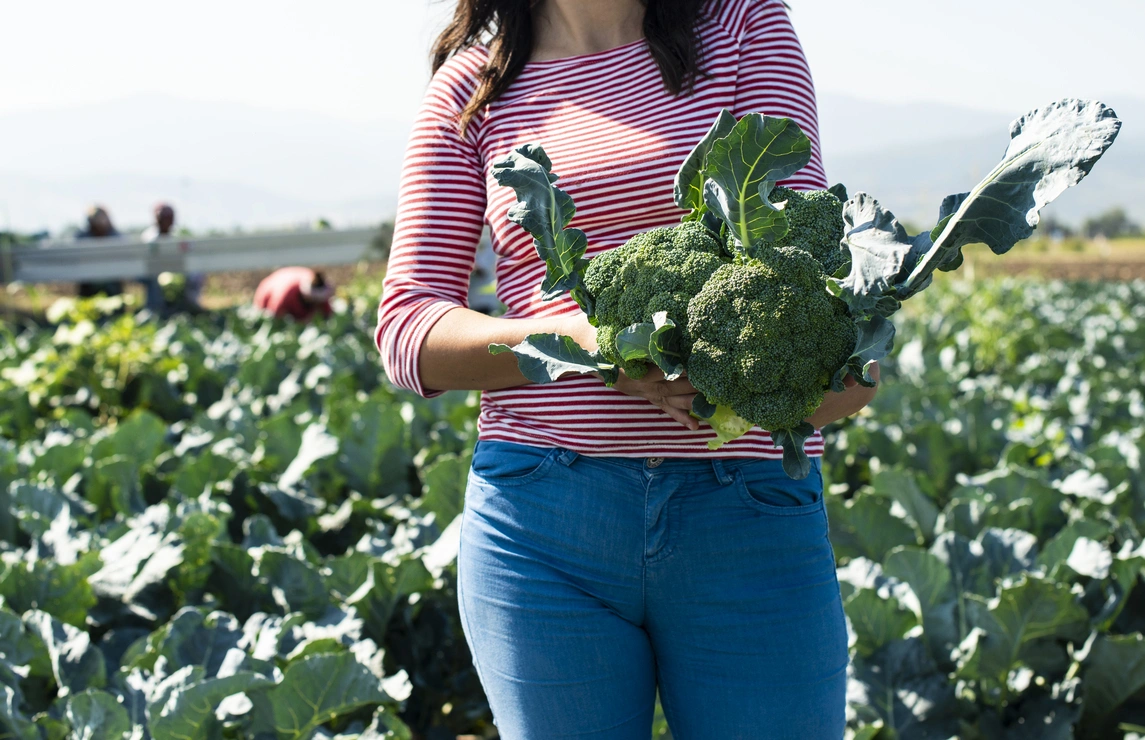
Introduction to High Profit Vegetable Farming
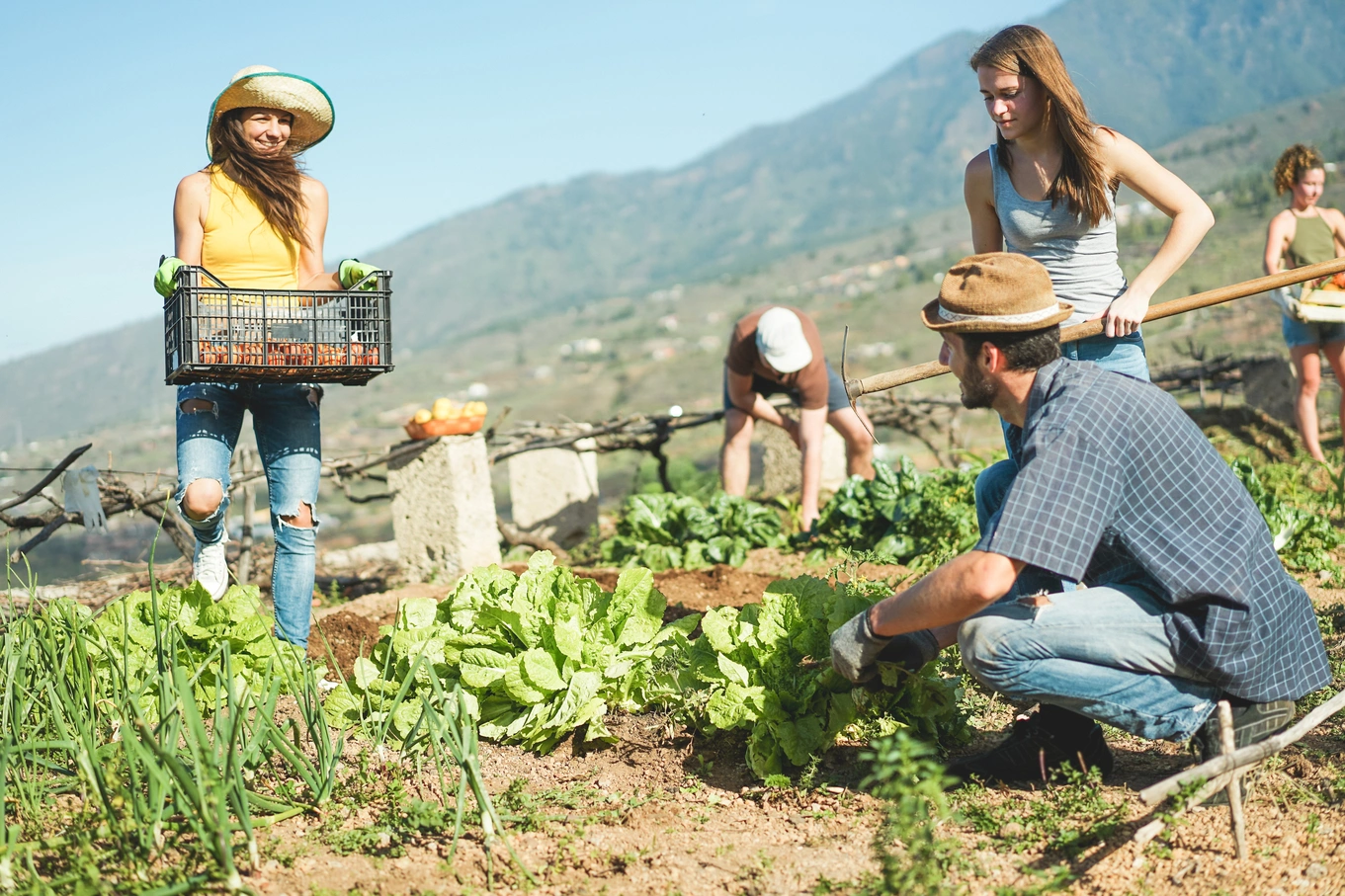
For small farmers, vegetable farming can be one of the fastest ways to generate income compared to traditional cereal crops. The key is not just growing vegetables, but selecting the right crops that give high yield, quick turnover, and strong market demand. With rising food consumption and urban demand, vegetables have become a reliable source of regular cash flow for farmers with limited land.
This guide focuses on high-profit vegetable crops that are suitable for small-scale farming and explains how to maximize earnings with smart crop selection and simple management practices.
Understanding Profit in Vegetable Farming
Profit in vegetable farming depends on several factors: crop duration, market demand, input cost, yield per acre, and seasonal timing. Short-duration crops that can be harvested multiple times usually generate faster returns.
Small farmers benefit most from crops that require less land, minimal investment, and have consistent demand in local markets.
Tomatoes – High Demand, High Return Crop
Tomatoes are one of the most profitable vegetable crops due to their year-round demand in households, restaurants, and food industries. With proper care, tomato plants can produce continuous harvests for several weeks.
Hybrid varieties offer higher yield and better disease resistance. Although initial input costs are slightly higher, the return on investment is strong.
Profit increases significantly when farmers focus on off-season production, where market prices are usually higher.
Chilies – Long Harvesting Season Crop
Green chilies are another excellent option for small farmers. Once established, chili plants produce for a long period, reducing the need for repeated sowing.
Chilies perform well in warm climates and require moderate irrigation. Both fresh green chilies and dried red chilies have strong market demand.
Proper pest management is important because chili plants can be affected by aphids and mites, but overall profitability remains high due to continuous harvesting.
Onions – Stable Market Crop
Onion farming is popular among small farmers because of its stable demand and storage ability. Unlike many vegetables, onions can be stored for months, allowing farmers to sell when prices increase.
Onions require proper soil preparation and timely irrigation. Although the growth cycle is longer compared to leafy vegetables, the market risk is lower.
High-quality bulbs and proper curing after harvest significantly improve profit margins.
Potatoes – Bulk Production, Strong Demand
Potatoes are widely consumed and offer good returns due to their high yield per acre. They are suitable for farmers who want bulk production on limited land.
Seed quality plays a major role in potato farming success. Certified seed potatoes reduce disease risk and improve yield.
Potatoes also offer flexibility because they can be sold fresh or stored for later sale when market prices rise.
Okra (Lady Finger) – Fast Growing Cash Crop
Okra is a fast-growing vegetable that provides quick returns. Farmers can start harvesting within 45–60 days after sowing, making it ideal for small-scale farming.
It requires warm weather and regular picking to encourage continuous production. The more frequently it is harvested, the higher the yield.
Okra has consistent demand in local markets, making it a reliable income source.
Cucumbers – High Yield Seasonal Crop
Cucumbers are highly profitable due to their fast growth and high yield per plant. They are especially suitable for summer farming and greenhouse cultivation.
With proper trellising and irrigation, cucumber plants produce large quantities of fruit in a short time.
Market demand remains strong in both fresh vegetable markets and salad industries.
Spinach – Quick Return Leafy Vegetable
Spinach is one of the fastest-growing leafy vegetables, making it ideal for quick income cycles. It can be harvested multiple times from a single sowing.
Spinach requires minimal investment and grows well in small spaces, making it perfect for backyard or terrace farming.
Regular harvesting encourages continuous leaf production, increasing overall profitability.
Green Coriander – High Turnover Crop
Coriander is a low-cost, high-demand herb used in almost every household kitchen. It has a very short growing cycle, often ready for harvest within 30–40 days.
Because it grows quickly, farmers can produce multiple cycles in a single season, increasing annual income from small land areas.
It is especially profitable near urban markets where demand is constant.
Garlic – High Value Storage Crop
Garlic is a high-value crop that offers good profit due to its long shelf life and strong demand in cooking and medicinal use.
Although it requires a longer growing period, garlic prices are usually stable or increase over time, allowing farmers to store and sell strategically.
Proper drying and storage after harvest are essential to maintain quality and maximize profit.
Eggplant (Brinjal) – Continuous Harvest Crop
Eggplant is a reliable vegetable crop that produces continuously over several months. Once the plant starts fruiting, it can be harvested repeatedly.
It performs well in warm climates and requires moderate care. Pest control is important, but with proper management, it can generate steady income.
Different varieties such as long purple and round brinjal offer flexibility in market selling.
Radish – Fast Growing Root Crop
Radish is a short-duration crop that can be harvested within 30–40 days. This makes it ideal for quick returns and multiple cropping cycles in a year.
It requires loose soil for proper root development and minimal fertilizer input, reducing production costs.
Radish leaves are also edible, adding extra value to the crop.
Maximizing Profit from Small Vegetable Farming
To increase profitability, small farmers should focus on crop rotation, proper seasonal planning, and market timing. Growing the right crop at the right time can significantly increase selling prices.
Direct selling to local markets, restaurants, or vegetable vendors often gives better returns than middlemen.
Using drip irrigation, organic fertilizers, and hybrid seeds can also improve yield while reducing long-term costs.
Importance of Seasonal Planning
Seasonal timing plays a major role in vegetable profit. Off-season vegetables usually sell at higher prices due to limited supply.
For example, tomatoes and cucumbers grown in controlled environments or tunnels during off-season can generate significantly higher income.
Understanding local climate conditions helps farmers choose the most profitable crops for each season.
Common Mistakes Small Farmers Should Avoid
Many farmers lose profit by growing the same crop repeatedly without rotation, which reduces soil fertility and increases pest problems.
Another common mistake is ignoring market demand and growing crops without checking local prices, leading to oversupply and low returns.
Poor irrigation management and lack of pest control can also reduce yield and profitability.
Conclusion
High-profit vegetable farming is possible even on small land if farmers choose the right crops and manage them properly. Vegetables like tomatoes, chilies, onions, potatoes, okra, and leafy greens offer strong income potential with proper planning.
Success in vegetable farming depends on smart crop selection, seasonal timing, and efficient resource use. Small farmers who adopt modern techniques and focus on market-driven production can achieve consistent and sustainable income throughout the year.