




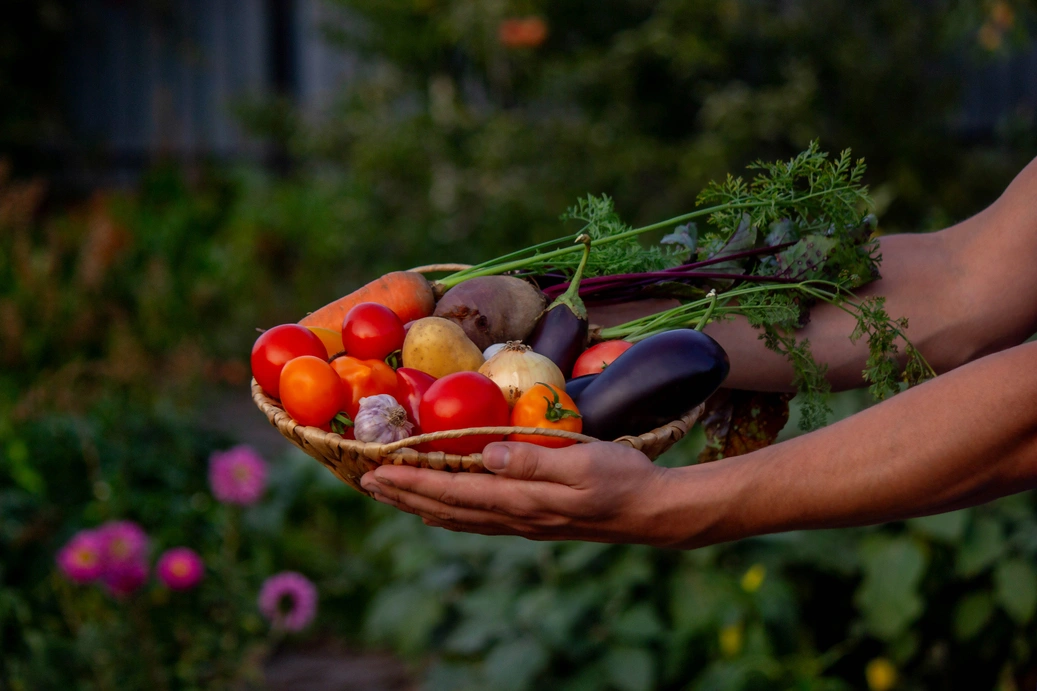
Introduction to Organic Vegetable Gardening
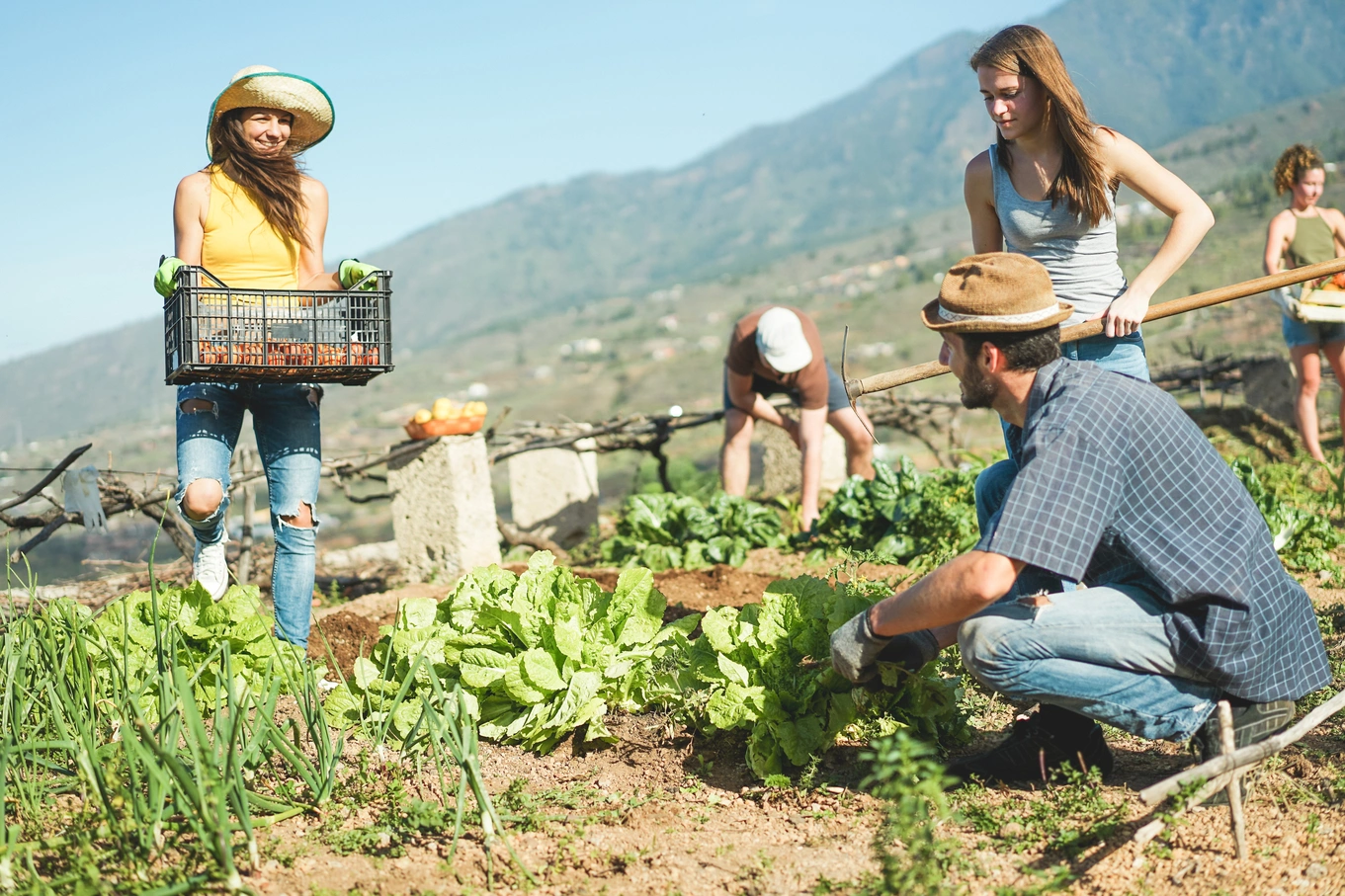
Growing organic vegetables at home is one of the most practical ways to get fresh, chemical-free food while improving soil health and reducing grocery costs. Unlike conventional farming, organic gardening avoids synthetic fertilizers and pesticides, focusing instead on natural methods that support long-term plant growth and sustainability.
The good part is that you don’t need a large farm or expensive equipment. Even a small backyard, rooftop, or balcony can produce healthy vegetables if managed properly.
Understanding the Basics of Organic Gardening
Organic gardening is based on three core principles: healthy soil, natural fertilizers, and biological pest control. Instead of forcing plants to grow with chemicals, you build a balanced ecosystem where plants grow naturally strong and resistant.
The goal is not just production but long-term soil fertility and environmental safety.
Step 1: Choosing the Right Location
Select a space that receives at least 5–7 hours of direct sunlight daily. Sunlight is essential for photosynthesis and healthy vegetable growth.
Backyards, terraces, and even large balconies can be converted into productive organic gardens. Ensure the area has good drainage and access to water.
Step 2: Preparing Healthy Organic Soil
Soil is the foundation of organic gardening. Instead of chemical fertilizers, you should build nutrient-rich soil using natural materials.
A simple organic soil mix includes:
• Garden soil
* Compost (kitchen waste or plant waste)
* Cow manure or vermicompost
* Coco peat or dry leaves for aeration
This mixture improves soil fertility, moisture retention, and microbial activity, all of which are essential for organic plant growth.
Step 3: Using Organic Seeds and Seed Selection
Always choose non-GMO and untreated seeds for organic farming. Heirloom seeds are highly recommended because they are natural, reusable, and better adapted to local conditions.
Popular organic vegetables for beginners include tomatoes, spinach, green chilies, coriander, mint, okra, and cucumbers.
Step 4: Composting for Natural Fertilizer
Composting is the heart of organic gardening. Instead of buying chemical fertilizers, you can recycle kitchen waste into nutrient-rich compost.
Use vegetable peels, fruit scraps, tea leaves, eggshells, and dry leaves. Avoid meat or oily food waste.
Over time, this decomposed material turns into natural fertilizer that improves soil structure and feeds plants slowly and steadily.
Step 5: Planting Techniques for Organic Growth
Plant seeds or seedlings in properly prepared soil. Avoid overcrowding as it reduces airflow and increases disease risk.
Maintain proper spacing so each plant gets enough sunlight, nutrients, and air circulation. Water immediately after planting to help roots settle.
Step 6: Natural Watering Methods
Watering should be consistent but not excessive. Organic plants prefer slightly moist soil rather than waterlogged conditions.
Early morning watering is ideal because it reduces evaporation and helps plants absorb nutrients effectively throughout the day.
Using drip irrigation or simple watering cans helps control water usage efficiently.
Step 7: Organic Pest Control Methods
Instead of chemical pesticides, organic gardening relies on natural pest control methods.
Some effective solutions include:
• Neem oil spray for insects
* Garlic and chili spray for pests
* Soap water solution for soft-bodied insects
* Companion planting to naturally repel pests
Encouraging beneficial insects like ladybugs also helps control harmful pests naturally.
Step 8: Weed Management Without Chemicals
Weeds compete with vegetables for nutrients and water. In organic gardening, weeds are removed manually or controlled using mulch.
Mulching involves covering the soil with dry leaves, straw, or grass clippings. This prevents weed growth, retains moisture, and improves soil health.
Step 9: Natural Growth Boosters
Instead of synthetic growth enhancers, organic gardeners use natural boosters such as:
• Banana peel fertilizer (rich in potassium)
* Eggshell powder (rich in calcium)
* Compost tea (liquid nutrient solution)
* Fish emulsion (natural nitrogen source)
These improve plant strength, flowering, and fruit production without harming soil balance.
Step 10: Crop Rotation and Companion Planting
Crop rotation means changing plant types in the same soil after each season. This prevents nutrient depletion and reduces pest buildup.
Companion planting involves growing plants that support each other. For example, basil helps protect tomatoes from pests, while marigolds repel harmful insects.
Step 11: Seasonal Planning for Organic Gardens
Different vegetables grow better in different seasons. Proper planning ensures continuous harvest throughout the year.
Cool-season crops like spinach, peas, and carrots grow best in winter, while warm-season crops like tomatoes, chilies, and cucumbers grow well in summer.
Seasonal planning helps maintain soil balance and consistent production.
Step 12: Harvesting Organic Vegetables
Harvesting should be done at the right time to ensure maximum flavor and nutrition. Regular harvesting also encourages more production.
Leafy vegetables can be picked multiple times, while fruits like tomatoes and cucumbers should be harvested when fully ripe but firm.
Common Mistakes in Organic Gardening
Many beginners expect instant results, but organic gardening takes time. Overwatering, poor soil preparation, and ignoring pest control are common mistakes.
Another mistake is using too much compost at once, which can overwhelm plants instead of helping them grow gradually.
Benefits of Organic Vegetable Gardening
Organic gardening offers multiple long-term benefits. It produces chemical-free vegetables, improves soil health, and supports environmental sustainability.
It also reduces household expenses, promotes healthier eating habits, and creates a relaxing and productive outdoor activity.
Conclusion
Growing organic vegetables is not complicated if you follow the right steps. With healthy soil, natural fertilizers, proper watering, and eco-friendly pest control, you can easily grow fresh and nutritious vegetables at home.
Consistency is the key. Start small, observe your plants, and gradually improve your methods. Over time, your garden will become more productive, sustainable, and self-sufficient.