


Introduction to Wheat Farming
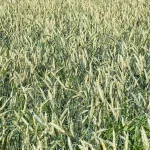
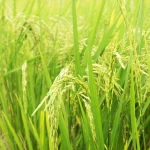
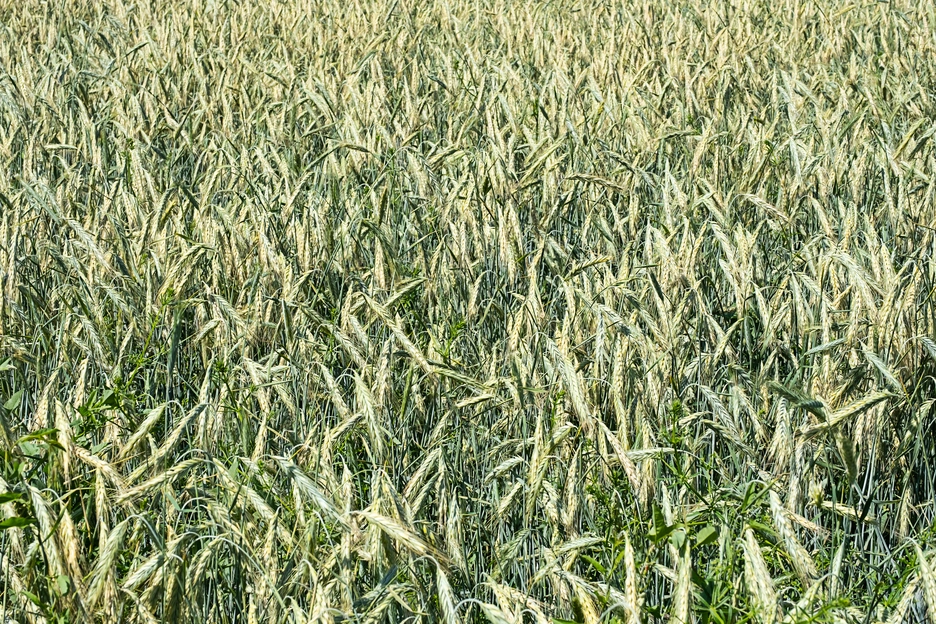
Wheat is one of the most important staple crops in the world, feeding billions of people every day. Successful wheat farming is not just about sowing seeds and waiting for harvest; it requires proper planning, soil management, irrigation control, and modern farming techniques. Farmers who understand the complete wheat production cycle can significantly improve yield and profitability. In this guide, we will break down everything you need to know about achieving high-yield wheat farming in a practical and simple way.
Understanding the Right Climate and Soil Conditions
Wheat grows best in cool and dry weather conditions. The ideal temperature for wheat cultivation ranges between 10°C to 25°C. Extreme heat during the early growth stage can reduce yield, while frost during flowering can damage the crop.
Soil selection is equally important. Loamy and well-drained soils with a pH between 6.0 and 7.5 are considered ideal for wheat farming. Soil that retains too much water can cause root rot, while overly sandy soil may not hold enough nutrients for healthy crop growth.
Land Preparation for Maximum Yield
Proper land preparation is the foundation of high-yield wheat farming. The soil should be plowed 2–3 times to ensure it is loose, well-aerated, and free from weeds. Deep plowing helps improve root penetration, which leads to stronger plants.
After plowing, leveling the field is essential to ensure uniform irrigation. Uneven land can lead to waterlogging in some areas and dryness in others, both of which negatively affect crop performance.
Choosing the Right Wheat Variety
Selecting the right wheat variety plays a major role in determining yield. Different regions require different varieties based on climate, disease resistance, and maturity time.
High-yield varieties are usually developed for resistance against rust, pests, and drought conditions. Farmers should consult local agricultural departments or seed experts to choose certified seeds that are best suited for their region.
Seed Selection and Sowing Techniques
Using certified, disease-free seeds is crucial for achieving a healthy crop. Seed treatment with fungicides before sowing helps protect against soil-borne diseases and improves germination rates.
The ideal sowing time for wheat is usually from mid-October to early December, depending on the region. Delayed sowing can reduce yield due to rising temperatures during the grain-filling stage.
Row spacing should be maintained properly, generally 20–22 cm between rows, to ensure proper sunlight exposure and airflow. This also helps in effective weed control and nutrient absorption.
Efficient Irrigation Management
Water management is a critical factor in wheat farming. Wheat typically requires 4 to 6 irrigations during its growth cycle. The most important irrigation stages include crown root initiation, tillering, jointing, flowering, and grain filling.
Overwatering should be avoided as it can lead to nutrient leaching and root diseases. Drip or sprinkler irrigation systems can significantly improve water efficiency and crop health compared to traditional flooding methods.
Fertilizer and Nutrient Management
Balanced nutrient application is key to achieving high yields. Wheat requires nitrogen (N), phosphorus (P), and potassium (K) in appropriate proportions.
Nitrogen promotes leaf growth, phosphorus supports root development, and potassium enhances overall plant health and disease resistance. Organic manure such as farmyard manure (FYM) or compost should also be added to improve soil fertility and structure.
Split application of fertilizers is recommended—half at sowing time and the remaining during irrigation stages for better absorption and efficiency.
Weed Control in Wheat Farming
Weeds compete with wheat plants for nutrients, water, and sunlight, reducing overall productivity. Common weeds like Phalaris minor and wild oats can severely affect yield if not controlled on time.
Manual weeding and chemical herbicides are both effective methods. However, herbicides should be used carefully according to expert recommendations to avoid crop damage and resistance issues.
Pest and Disease Management
Wheat crops are vulnerable to several pests and diseases such as rust, aphids, and termites. Early detection and preventive measures are essential for protecting the crop.
Regular field monitoring helps identify problems before they spread. Using resistant seed varieties, crop rotation, and timely pesticide application can significantly reduce risks. Integrated Pest Management (IPM) is the most sustainable approach for long-term control.
Importance of Crop Rotation
Crop rotation is a highly effective farming practice that improves soil fertility and reduces pest buildup. Alternating wheat with legumes like chickpeas or lentils helps restore nitrogen levels in the soil naturally.
This practice also breaks the life cycle of pests and diseases, resulting in healthier crops and improved long-term productivity.
Harvesting at the Right Time
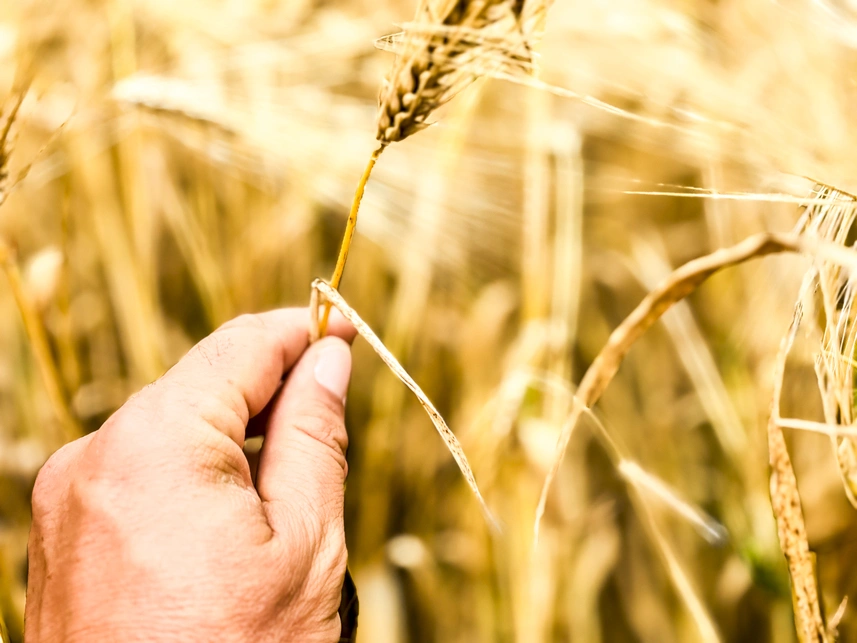
Timely harvesting is crucial for maximizing grain quality and yield. Wheat should be harvested when the grains are fully mature and the moisture content is low, usually when the crop turns golden yellow.
Delayed harvesting can lead to grain loss due to shattering, while early harvesting may result in immature grains with lower quality and weight.
Modern combine harvesters make the process faster and more efficient, reducing labor costs and post-harvest losses.
Post-Harvest Handling and Storage
After harvesting, proper storage is essential to prevent losses from pests, moisture, and mold. Grains should be thoroughly dried before storage to reduce moisture content.
Storage facilities should be clean, dry, and well-ventilated. Using airtight containers or silos can help protect wheat from insects and rodents. Regular inspection is also necessary to ensure grain quality over time.
Modern Techniques for High Yield Wheat Farming
Modern agriculture has introduced several advanced techniques that significantly improve wheat productivity. Precision farming, soil testing, and GPS-based field mapping help farmers make data-driven decisions.
Drip irrigation systems, laser land leveling, and mechanized sowing are some of the innovations that reduce resource wastage and increase efficiency. Additionally, mobile-based agricultural apps now help farmers monitor weather, pests, and crop health in real time.
Common Mistakes to Avoid
Many farmers face yield losses due to avoidable mistakes. Overuse of fertilizers, improper irrigation, and poor seed selection are among the most common issues.
Ignoring soil testing often leads to nutrient imbalance, while late sowing can reduce grain filling time. Avoiding these mistakes and following scientific farming practices can greatly improve results.
Conclusion
High-yield wheat farming is a combination of knowledge, planning, and execution. From soil preparation and seed selection to irrigation and pest management, every step plays a crucial role in determining the final output. By adopting modern techniques and following best agricultural practices, farmers can significantly increase productivity and profitability. Sustainable wheat farming not only ensures better income but also contributes to long-term food security.